
 English
 简体中文
简体中文Lift AGV Load Capacity Guide | Light-Duty to Heavy-Duty Options

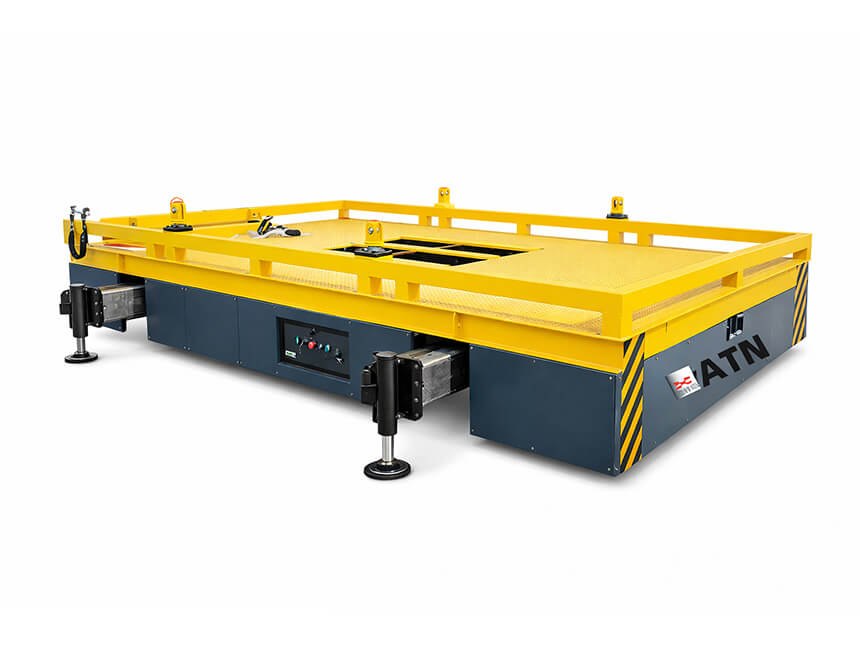
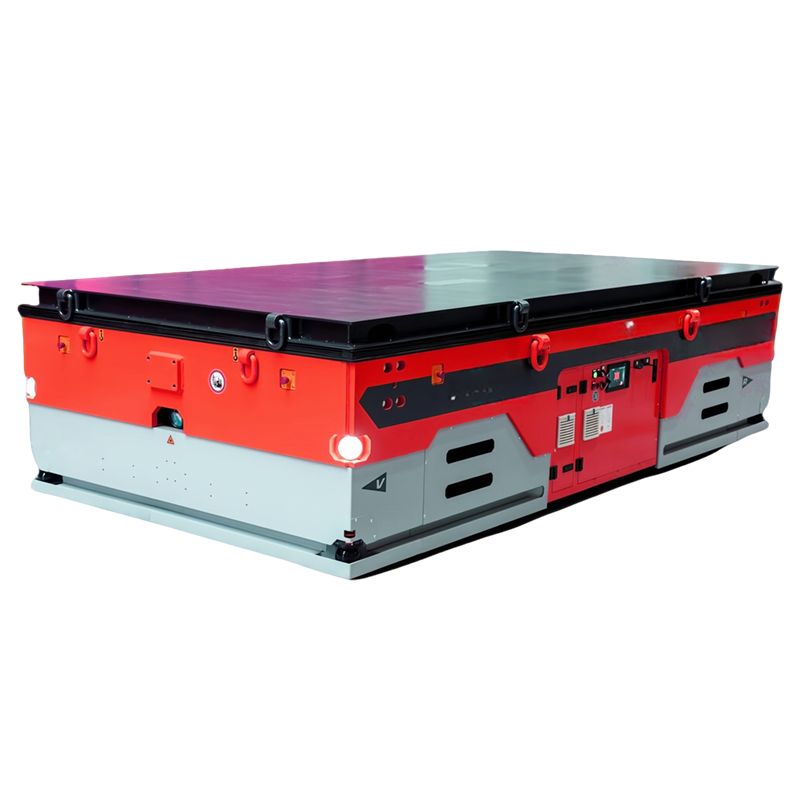
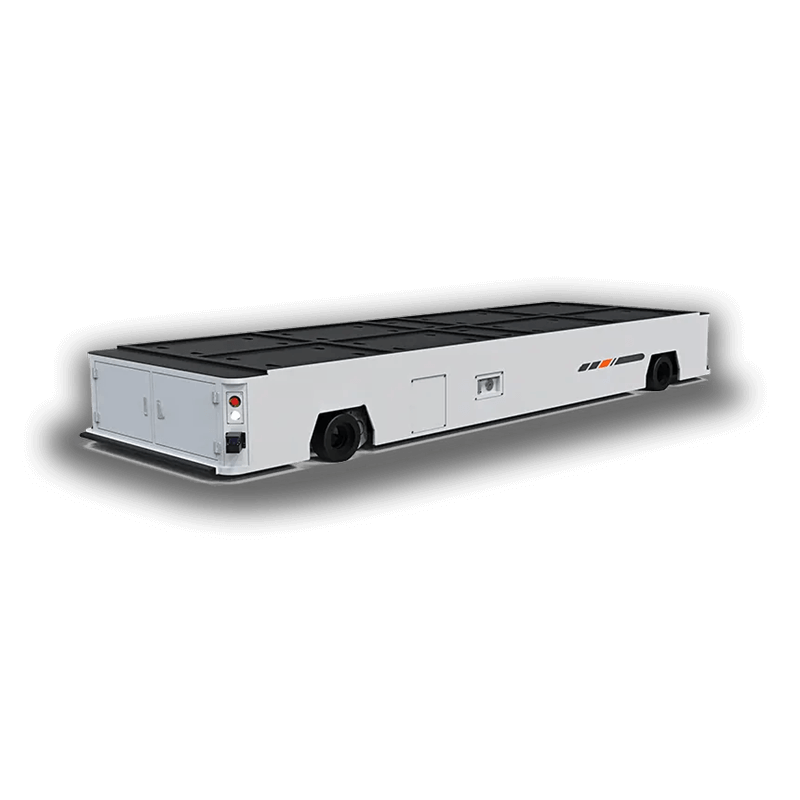
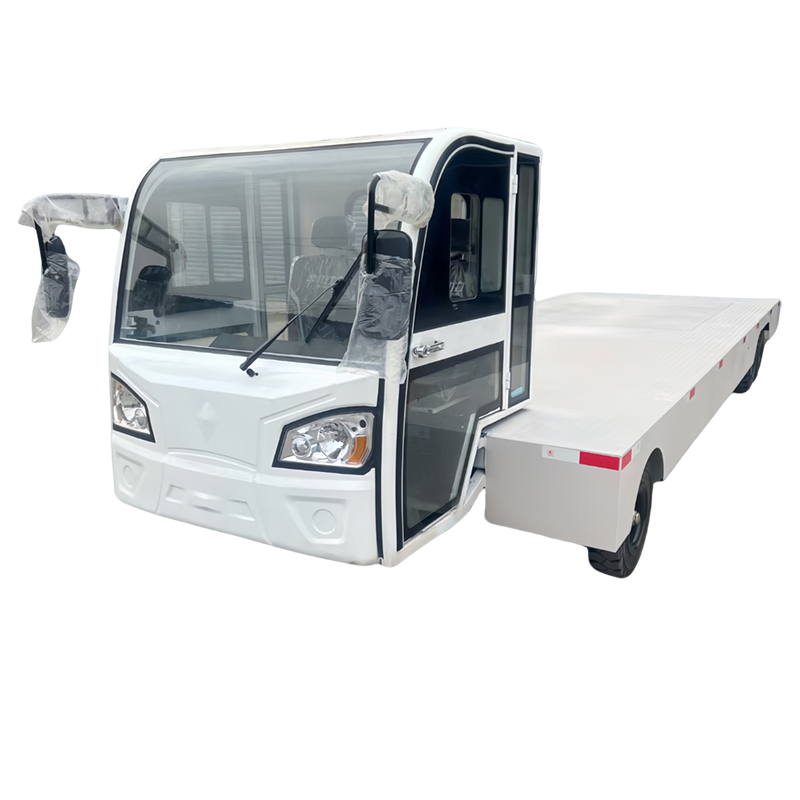
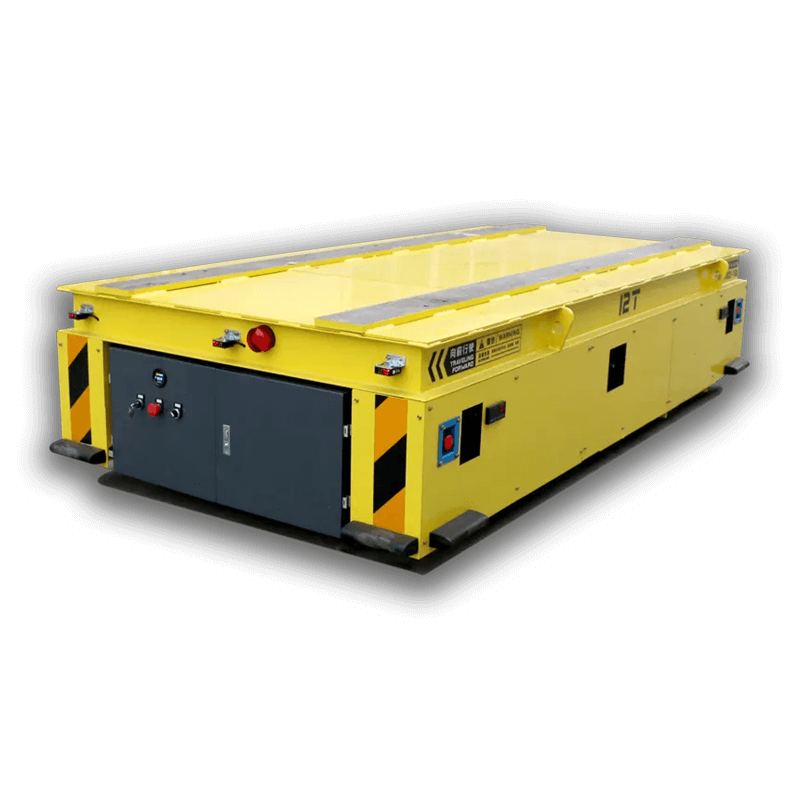
Selecting the right load capacity is one of the most critical decisions when choosing a Lift AGV. The vehicle’s structural strength, lifting mechanism, and long-term reliability all depend on how well its capacity matches real operating conditions. From lightweight packaging trays to multi-ton industrial tooling, different applications require different AGV configurations—and selecting the wrong capacity can lead to safety risks, equipment wear, or unstable cycle times.
AOTENENG provides Lift AGVs across a wide capacity spectrum, ensuring customers can deploy the right solution for their production or warehouse environment.
| Category | Specification |
|---|---|
| Product Type | Lift Automated Guided Vehicle (Lift AGV) |
| Primary Function | Automated transport with vertical lifting |
| Load Capacity Range | ≤1,000 kg / 1–2 tons / Up to 10 tons (customizable) |
| Lifting Mechanism | Servo-driven lift / Hydraulic lift (optional) |
| Lifting Stroke | Customized according to docking height |
| Lifting Accuracy | ±5 mm |
| Platform Type | Lift table / Conveyor-mounted lift platform |
| Conveyor Options | Roller conveyor / Belt conveyor |
| Transfer Method | Automatic loading & unloading |
| Docking Capability | Floor pickup / Conveyor docking / Rack & machine docking |
| Vehicle Structure | Reinforced industrial steel frame |
| Drive System | Electric drive with smooth start/stop control |
| Navigation Technologies | Laser SLAM / QR code / Magnetic tape / Hybrid |
| Travel Speed | Adjustable to match production cycle |
| Power Supply | Battery powered |
| Charging Options | Manual charging / Fast charging / Automatic docking |
| Control System | PLC-based industrial control |
| System Integration | MES / WMS / PLC / Robotic cells |
| Safety Sensors | 360° LiDAR, load stability sensors |
| Safety Functions | Obstacle detection, emergency stop, overload protection |
| Lift Safety Design | Anti-drop locking & overload protection |
| Warning Devices | Audible alarms, LED warning lights |
| Operating Environment | Production lines, warehouses, automated logistics |
| Typical Applications | Pallets, bins, cartons, line-side material transfer |
| Customization Scope | Lift height, platform size, conveyor type, navigation |
Light-duty models are designed for small parts, components, bins, and cartons. These vehicles are ideal for industries with high-speed, high-frequency transfers where agility matters more than raw power.
Typical applications include:
• Electronics components and SMT material movement
• Packaging lines (cartons, totes, trays)
• E-commerce and parcel sorting
• Cleanroom semiconductor transport
AOTENENG’s light-duty Lift AGVs use fast-response lifting systems and compact frames, allowing them to navigate tight aisles and operate near workers with high safety margins.
Medium-duty Lift AGVs are the most widely used category across manufacturing. These models balance load capacity, stability, and speed, making them suitable for pallet handling, conveyor docking, and multi-station transport.
Common scenarios include:
• Pallets of raw materials or finished goods
• Feeding assembly lines with packaged products
• Multi-level workstation docking
• Transporting metal parts, plastic molds, or semi-finished goods
AOTENENG’s medium-duty AGVs offer servo-controlled lifting platforms with ±5 mm docking accuracy—ideal for conveyor integration and automated feeding systems.
For large-scale industrial operations, heavy-duty Lift AGVs deliver the strength and durability needed to handle oversized or high-mass items.
Typical industries include:
• Automotive powertrain
• Industrial machinery and fabrication
• Steel and metal processing
• Wind power equipment
• Mold and tooling workshops
These AGVs use reinforced frames, high-strength lifting columns, heavy-load bearings, and hydraulic lifting modules designed for long-term repetitive duty. AOTENENG engineers each heavy-duty model based on load distribution, center-of-gravity analysis, and safety requirements—ensuring smooth, stable lifting even at full capacity.
Underrated capacity can cause frame deformation, uneven lifting, or slow cycle performance. Proper capacity ensures smooth operation and predictable takt times.
When the AGV operates well within its load limit, wear on the drive motors, lifting mechanisms, and battery systems is significantly reduced.
Mismatched capacity increases the risk of tipping, overload faults, or lifting failure.
AOTENENG integrates overload sensors and anti-drop safety logic to prevent incidents.
Oversized AGVs waste budget and energy; undersized ones require frequent maintenance.
The optimal capacity gives the best balance of performance and cost.
To help customers select the proper capacity, AOTENENG evaluates:
• Load weight and dimensions
• Center of gravity and load stability
• Required lifting height
• Speed and route conditions
• Docking equipment or conveyor height
• Operating environment (cleanroom, cold storage, high-temp, etc.)
This engineering-first approach ensures every Lift AGV is designed for safe, stable, and long-lasting performance in real industrial conditions—not just theoretical specifications.
Many customers upgrade automation gradually. AOTENENG offers scalable customization options so the AGV can support future processes, such as:
• Higher lifting height
• Larger platform size
• Upgraded conveyor modules
• Higher-speed navigation
• Additional sensors for complex workflows
Your AGV investment stays relevant even as production evolves.
You have questions, comments or general inquiries? We value your suggestions. Drop us a line! Fill the form below just to say hi or to send us any questions or comments you might have.