
 English
 简体中文
简体中文How to Choose the Right Conveyor AGV | Load Capacity & Conveyor Type Guide

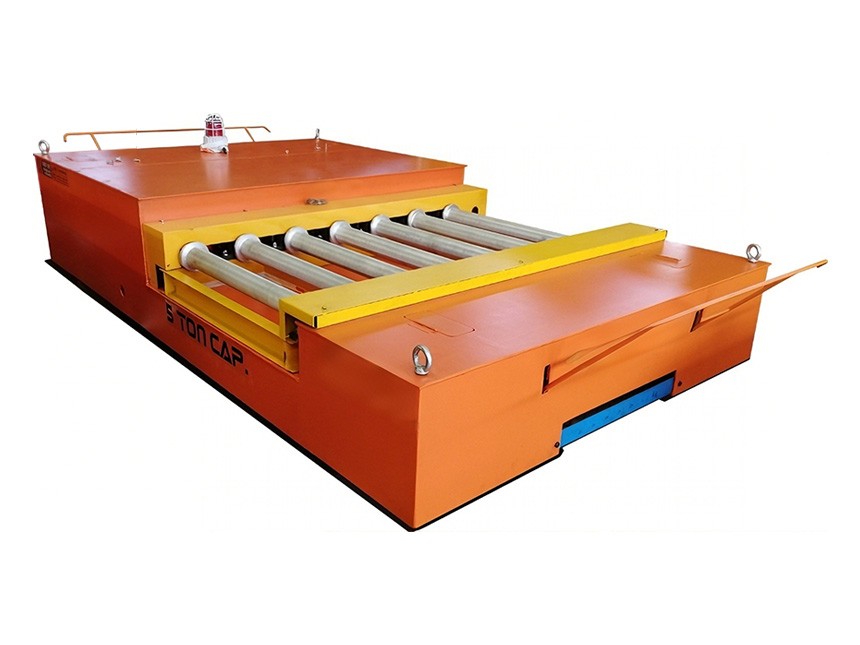
Choosing the correct Conveyor AGV is a critical step for manufacturers looking to automate material handling. Every production environment has different needs—some require fast transport of small trays, while others handle heavy components that demand high stability. Selecting the right system helps avoid inefficiency, downtime, and unnecessary cost.
Load capacity determines how safely and efficiently the AGV can operate.
Selecting the right level prevents mechanical stress and premature wear.
Light-duty AGVs (≤ 300 kg / 660 lbs) are ideal for electronics, totes, and lightweight products. They offer quick movement and excellent maneuverability.
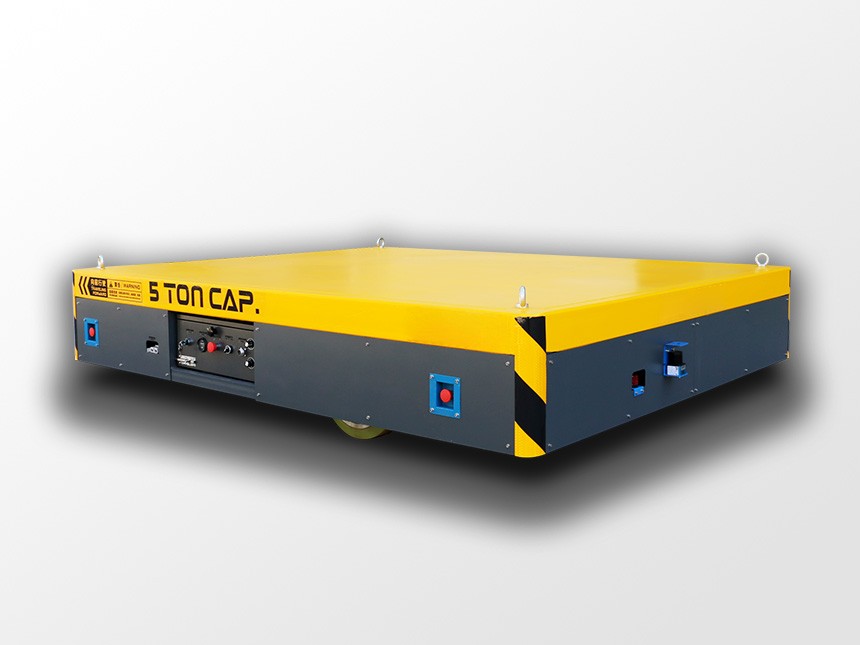
Medium-duty AGVs (300–1500 kg / 660–3300 lbs) fit most industrial workflows, such as automotive parts and appliance manufacturing. They provide stable performance and strong conveyor drive.
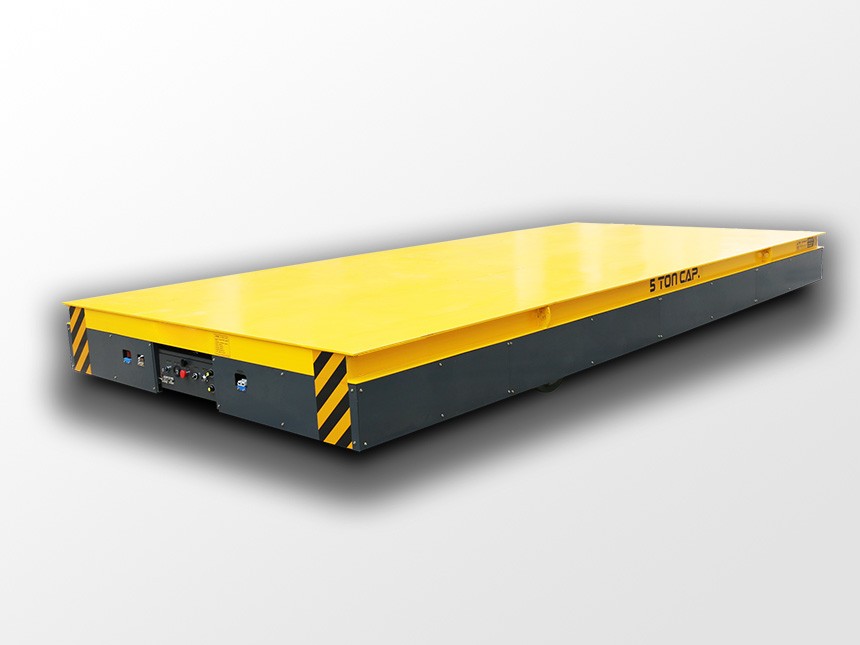
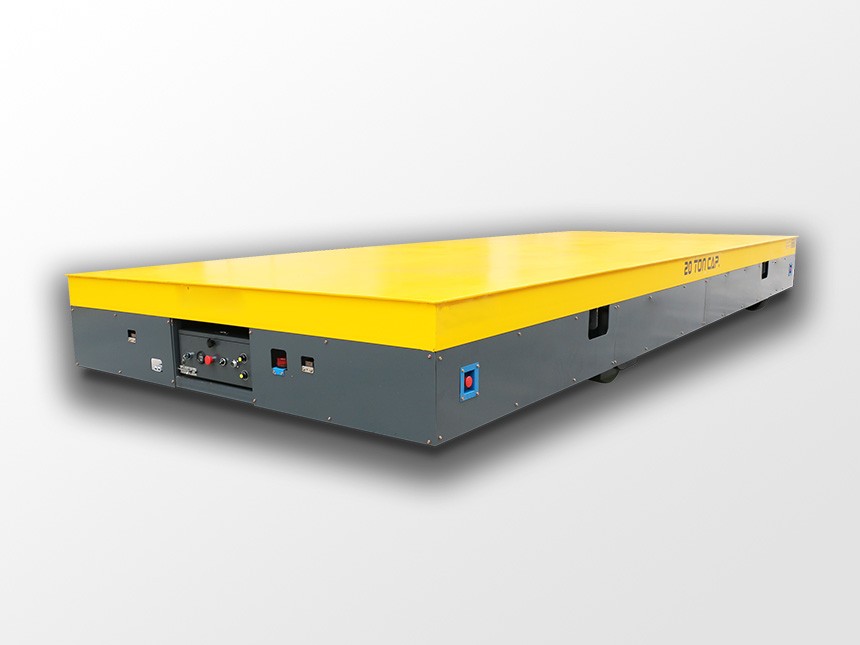
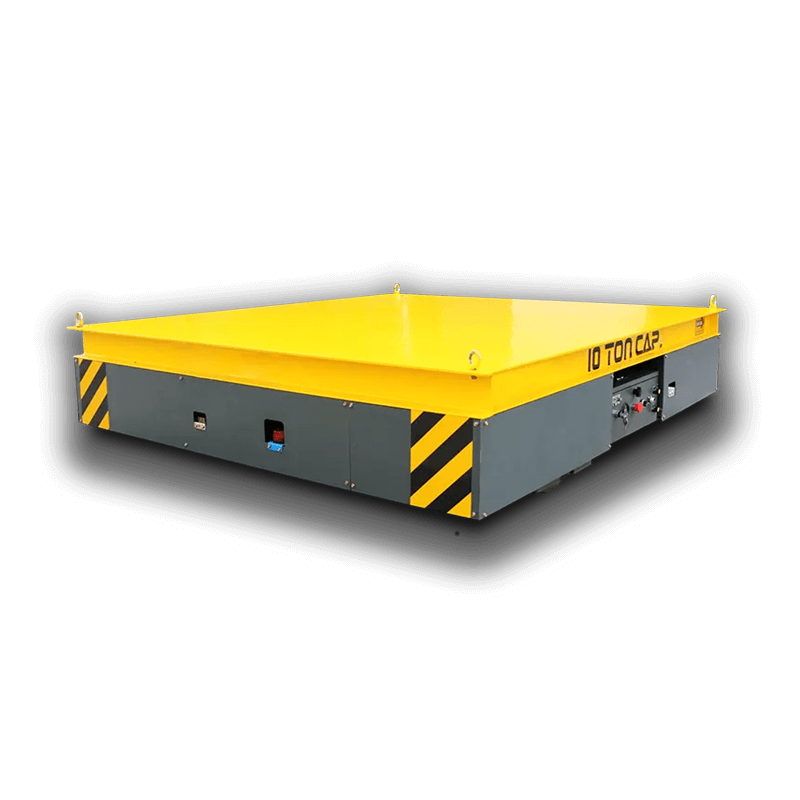
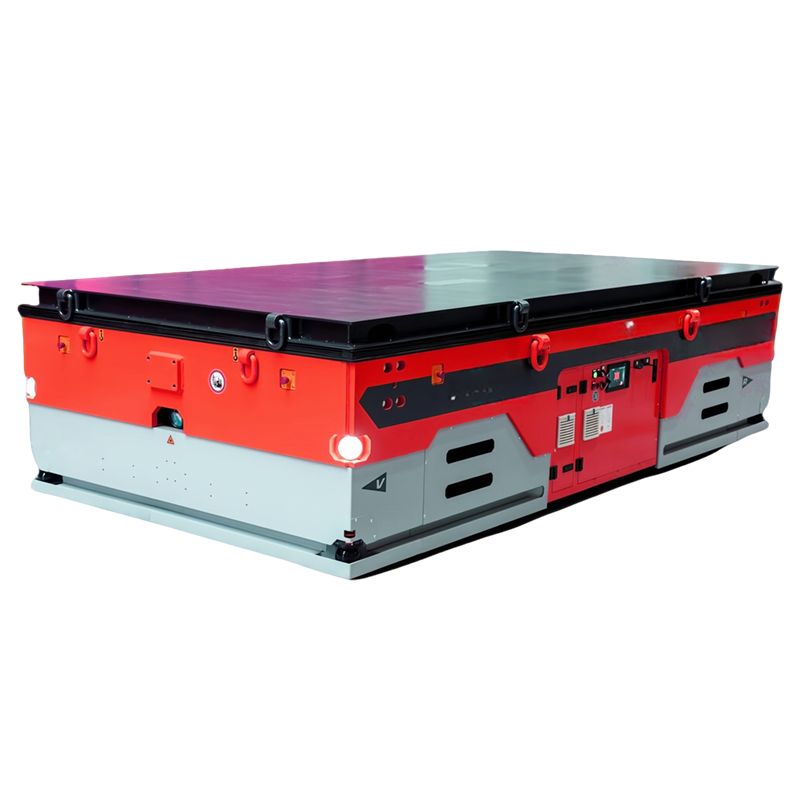
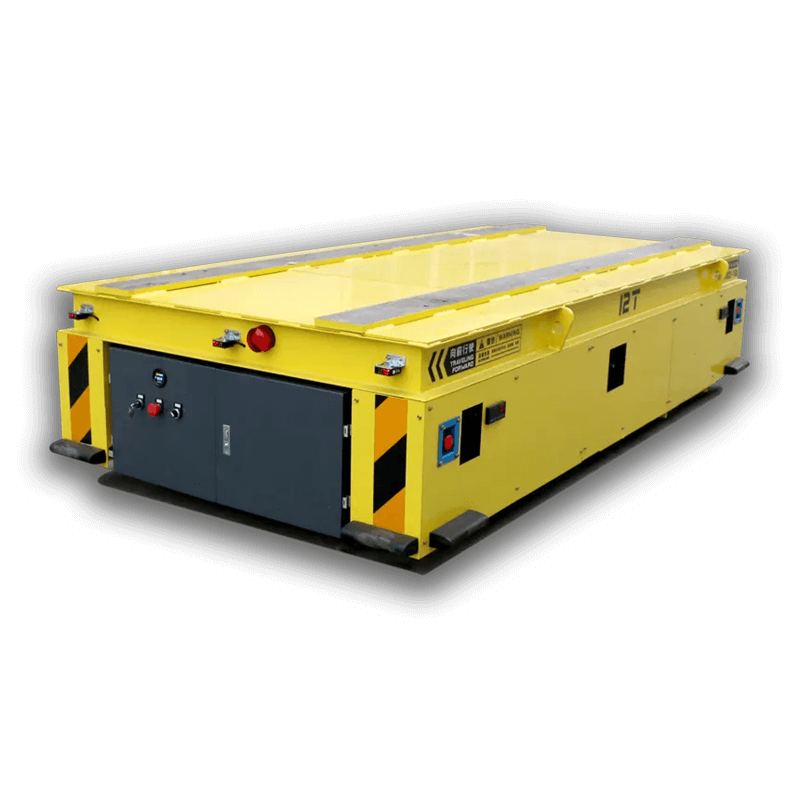
Heavy-duty AGVs (1500 kg+) are necessary for metal parts, tooling, and large assemblies. They feature reinforced chassis, high-torque motors, and industrial conveyor structures.
(Specs can be customized based on workflow requirements)
| Item | Specification |
|---|---|
| Product Type | Conveyor Automated Guided Vehicle (AGV) |
| Primary Function | Automated material transport with built-in conveyor |
| Conveyor Types | Roller conveyor / Belt conveyor / Chain conveyor |
| Load Capacity | From bins & cartons to pallet-level loads |
| Transfer Method | Automatic loading & unloading (hands-free) |
| Docking Accuracy | ±10 mm |
| Navigation Options | Laser SLAM / QR-guided / Hybrid |
| Travel Speed | Adjustable to match production takt time |
| Operation Mode | Fully automated, multi-shift capable |
| Power Supply | Battery powered |
| Charging Options | Fast charging / Automatic docking / Battery swap |
| Control System | Industrial PLC-based control |
| System Integration | MES / WMS / PLC / Robotic cells |
| Safety System | 360° LiDAR, obstacle detection, speed zoning |
| Warning Devices | Audible alarms & LED indicators |
| Operating Environment | Production lines, warehouses, cleanrooms |
| Customization | Conveyor type, size, layers, load handling |
| Typical Applications | Assembly, packaging, sorting, line-side transfer |
The conveyor type determines how materials are loaded and unloaded.
Roller conveyors are the most common and work well with boxes, trays, and totes. They provide fast, reliable transfer.
Belt conveyors are better for soft bags, irregular items, or fragile goods. They offer smooth and gentle handling.
Chain conveyors carry pallets, metal frames, and heavy-duty loads with high stability.
Multi-layer conveyors boost capacity by stacking loading and unloading levels, ideal for high-throughput lines.
Navigation affects accuracy, layout flexibility, and deployment cost.
Laser SLAM supports dynamic environments and layout changes.
QR/magnetic navigation is great for fixed routes and cost-sensitive projects.
Hybrid navigation combines both, offering precision for machine docking and flexibility for routing.
AOTENENG offers extensive customization to fit your exact workflow.
You can modify chassis dimensions, conveyor length, and working height.
Add fixtures such as guide rails or anti-slip pads.
Include sensors or cameras for barcode/QR scanning.
Integrate with MES/WMS/PLC systems for automated job assignment.
Choose battery options like long-endurance lithium or fast charging.
Customization ensures the AGV fits your line perfectly—not the other way around.
Different industries have different environmental challenges.
AOTENENG AGVs can be configured for dusty areas, oily floors, cleanrooms, cold storage, ESD-sensitive zones, or narrow aisles.
This ensures stable and durable operation in real-world conditions.
A properly selected Conveyor AGV boosts throughput, cuts labor costs, reduces handling mistakes, and lowers downtime.
The right combination of load capacity, conveyor type, navigation, and customization leads to long-term savings and predictable performance.
AOTENENG provides industrial-grade Conveyor AGV solutions backed by over 10 years of automation experience.
We support full customization, deliver precise docking (±10 mm), and integrate seamlessly with MES/WMS.
Our systems operate reliably in 48+ countries, supported by strong engineering and after-sales service.
You have questions, comments or general inquiries? We value your suggestions. Drop us a line! Fill the form below just to say hi or to send us any questions or comments you might have.