
 English
 简体中文
简体中文Why Heavy-Duty AGVs Replace Forklifts in Steel and Mold Transport

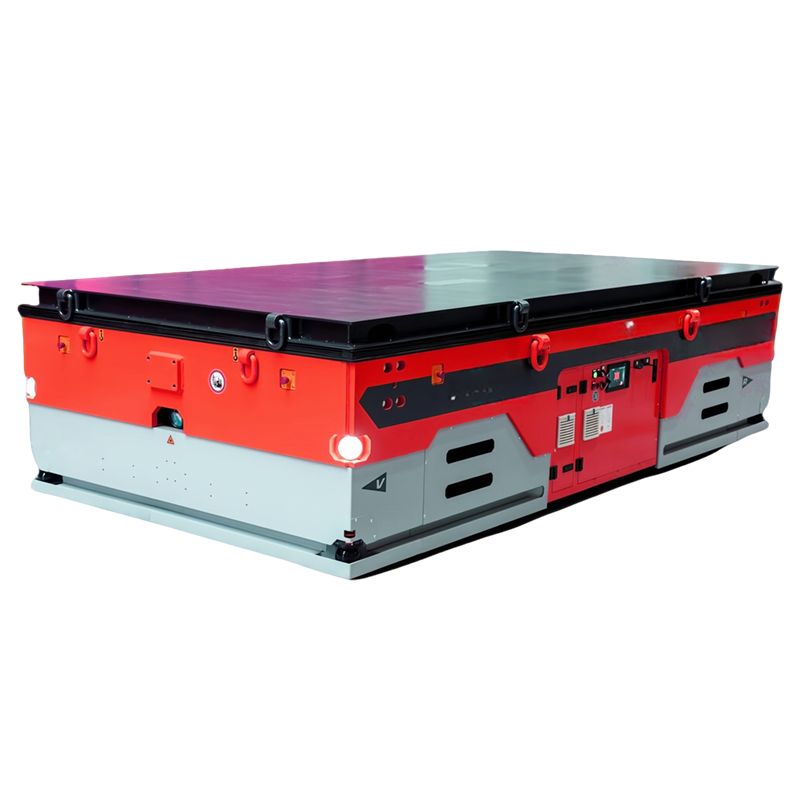
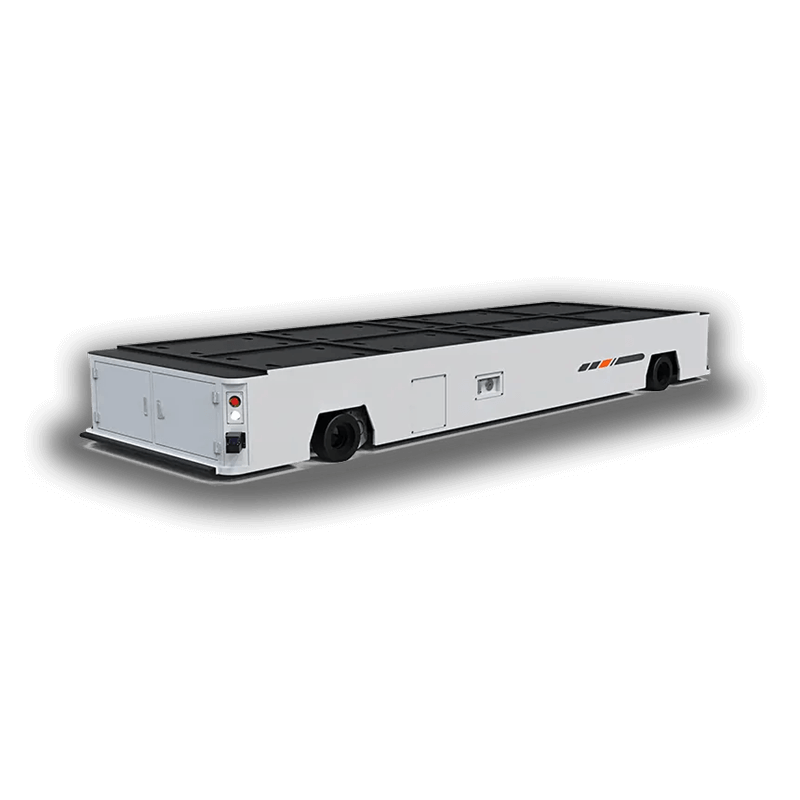
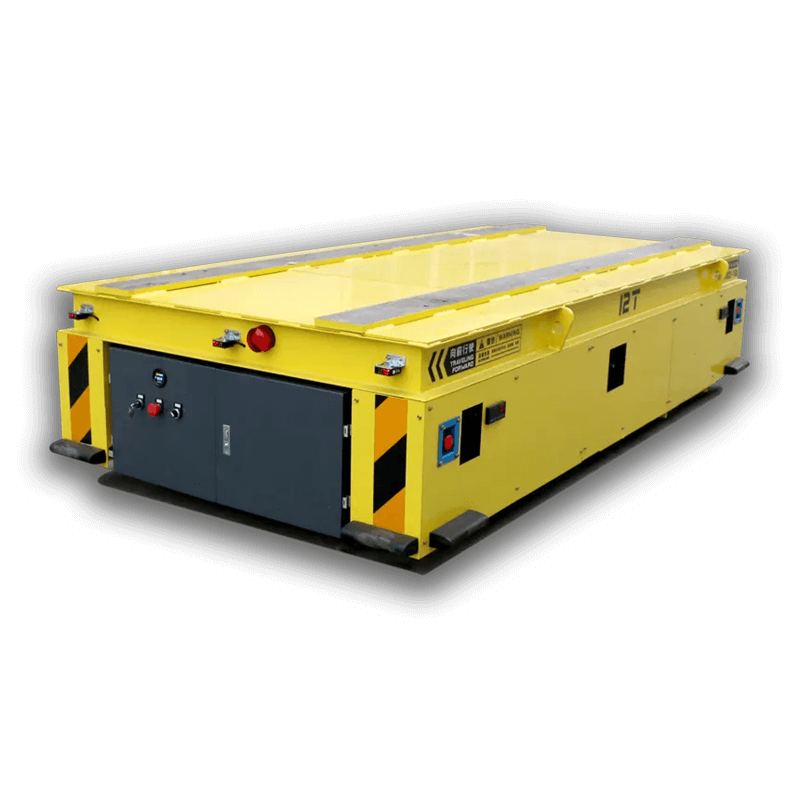
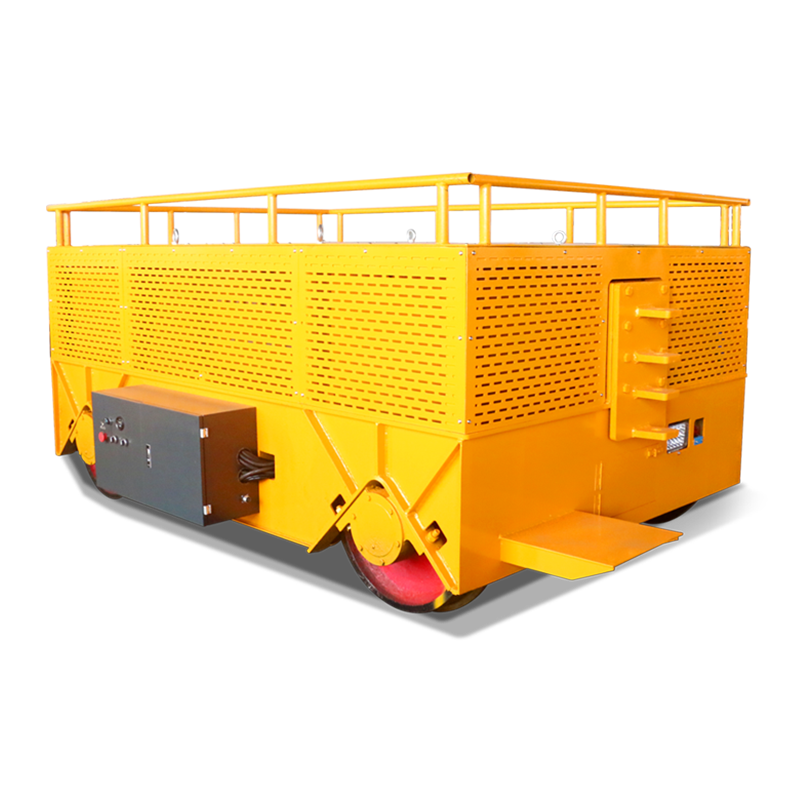
In high-load manufacturing environments—such as steel processing, die casting, automotive tooling, and heavy fabrication—forklifts have traditionally served as the primary method of transporting multi-ton materials. However, as load sizes increase and production lines become more automated, forklifts are reaching their operational limits. Heavy-Load AGVs are rapidly emerging as a safer, more predictable, and more scalable alternative.
This technical analysis explores the engineering reasons behind this shift and explains why advanced multi-ton AGVs provide structural, operational, and safety benefits that forklifts cannot match.
(Values can be customized based on project requirements)
| Category | Specification |
|---|---|
| Product Type | Heavy-Duty Automated Guided Vehicle (AGV) |
| Rated Load Capacity | 10–40 tons (higher capacity available by request) |
| Recommended Load Margin | 125–150% of actual working load |
| Load Characteristics | Centered / Offset / Uneven / High center-of-gravity loads |
| Vehicle Structure | Reinforced welded steel frame, fatigue-resistant design |
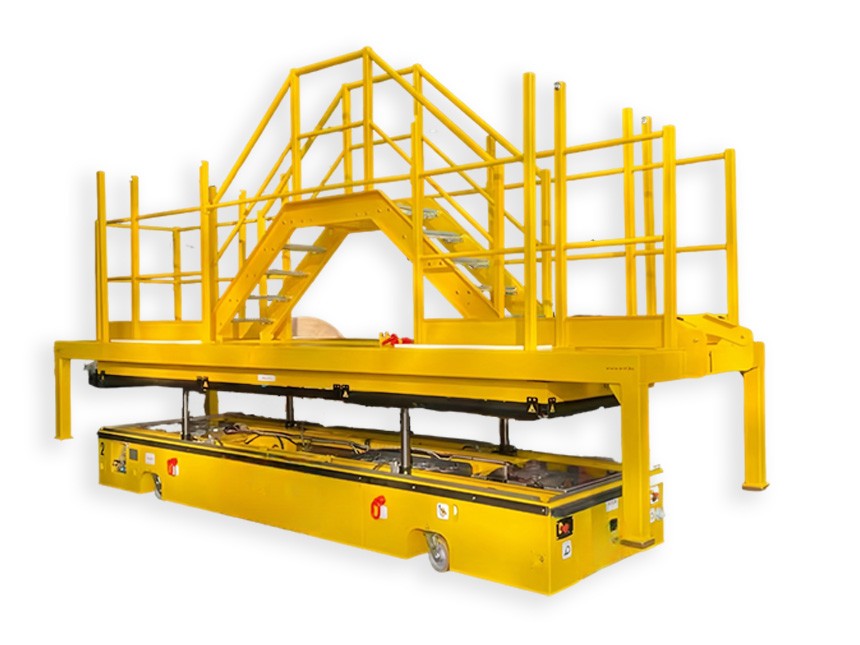
| Platform Options | Flat deck / Hydraulic lift / Scissor lift / Turntable / Coil saddle / Custom fixtures |
| Platform Size | Customized to load dimensions |
| Drive System | High-torque electric drive with industrial reducer |
| Acceleration & Braking | Smooth-start & soft-stop logic for load stability |
| Navigation Methods | Magnetic tape / QR code (vision) / Hybrid navigation |
| Positioning Accuracy | ±5–10 mm |
| Travel Speed (Loaded) | 0–30 m/min (adjustable) |
| Turning Capability | Straight travel / Steering / Zero-radius (design dependent) |
| Power Supply Options | Lithium battery / Lead-acid battery |
| Charging Methods | Manual charging / Fast charging / Automatic docking |
| Battery Management | Optional quick-swap battery drawer |
| Operating Time | Suitable for single-shift to 24/7 multi-shift operation |
| Safety Sensors | Front & rear LiDAR, side ultrasonic detection |
| Safety Functions | Obstacle detection, emergency stop bumpers, speed zoning |
| Warning System | Audible alarms, LED warning lights |
| Control System | PLC-based industrial control |
| System Integration | MES / WMS / Production line synchronization |
| Fleet Management | Multi-AGV coordination supported |
| Operating Environment | Indoor heavy industrial environments |
| Special Versions | Heat-resistant / Explosion-proof / Workshop-specific |
| Customization Scope | Load capacity, platform type, navigation, safety level |
Forklifts rely on front-loaded cantilever designs, meaning the entire load weight is supported in front of the vehicle. This model creates several engineering limitations:
Reduced stability with high center-of-gravity loads
Limited handling of oversized steel plates or molds
Increased risk of forward tipping
Larger turning radius under heavy loadsIn contrast, AOTENENG’s multi-ton AGVs use:
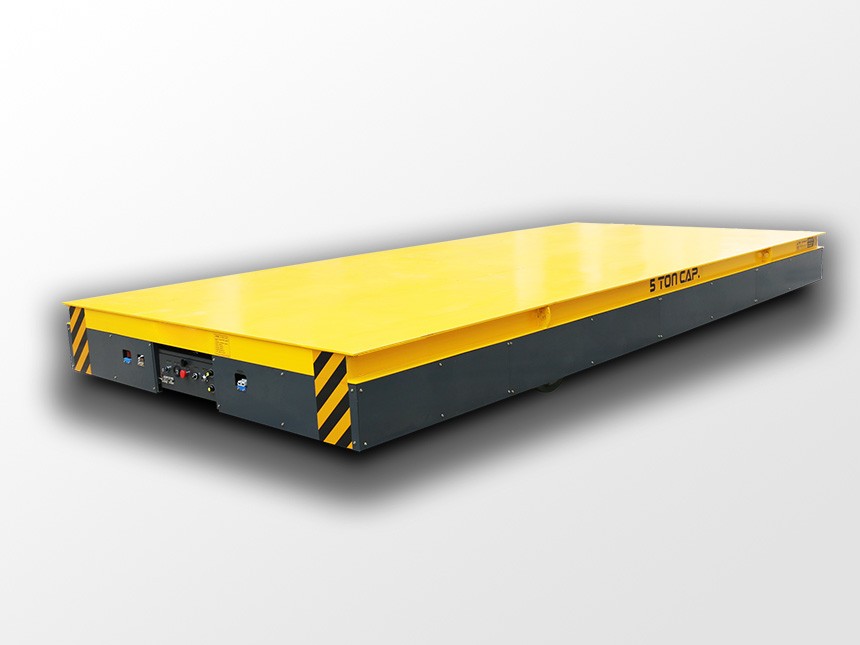
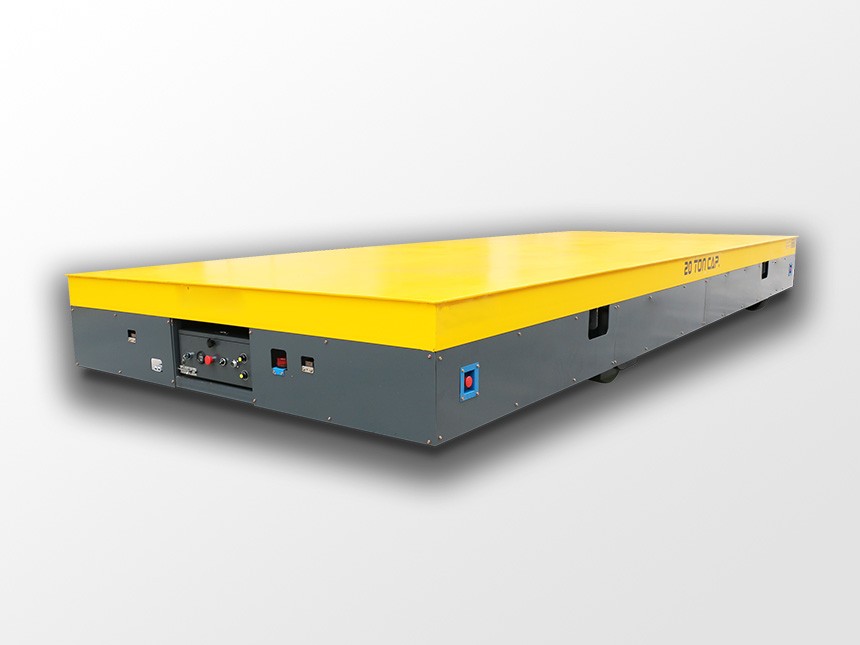
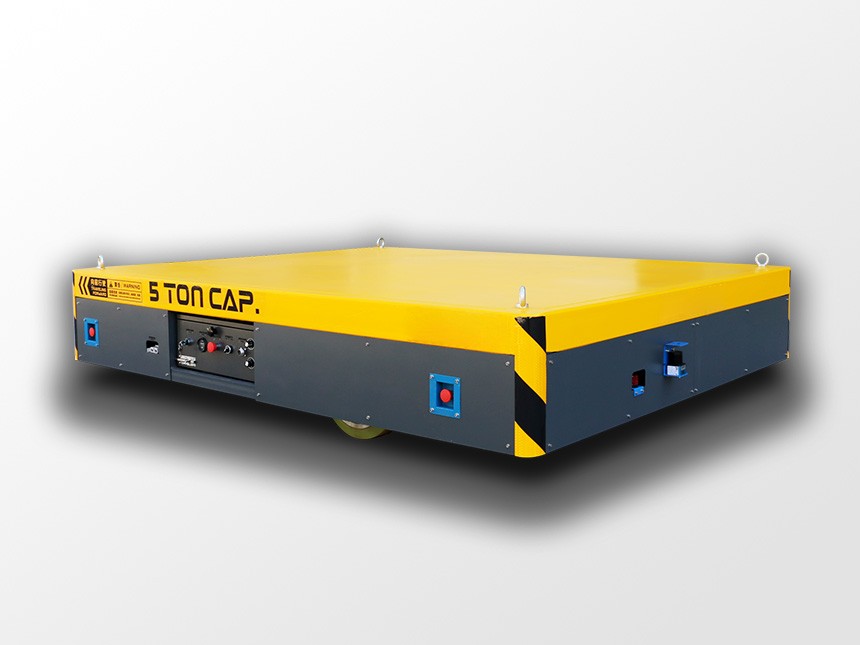
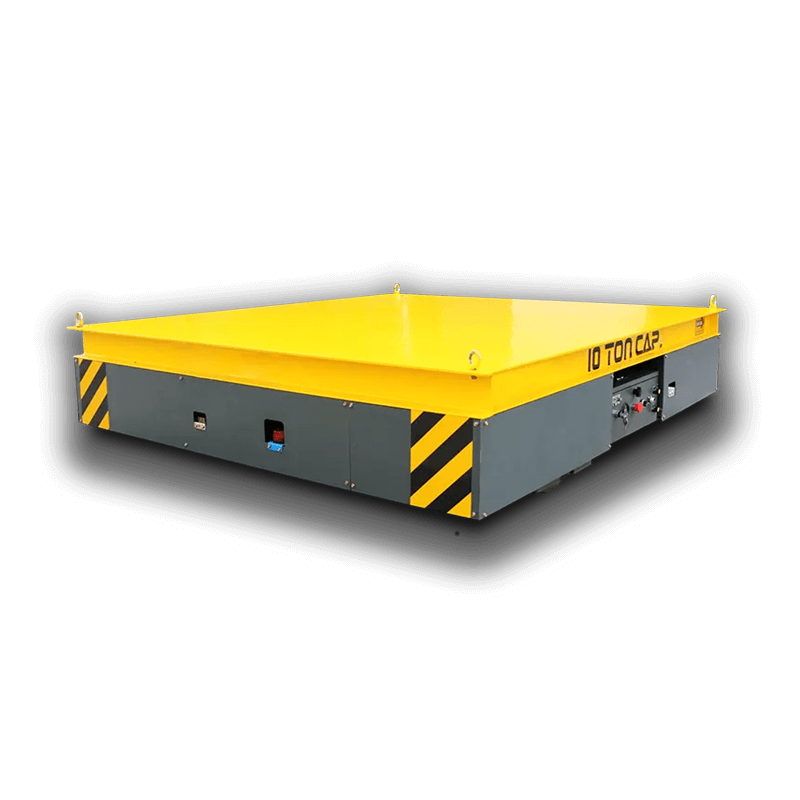
Reinforced full-body steel frames
Low-center-of-gravity load platforms
Distributed wheel load support
High-torque dual or four-wheel drive assemblies
This engineering foundation ensures the AGV maintains structural integrity under 10–50 ton loads, even at slow speeds or during directional changes.
Forklifts depend on human operators. Acceleration, braking, cornering, and turning vary by driver skill and fatigue levels. For fragile molds, precision dies, or long steel beams, such variation increases the risk of:
Load swing
Slippage
Impact damage
Fork penetration or scraping
Heavy-Duty AGVs eliminate this variability through:
Controlled acceleration curves
Programmable speed profiles
Soft-stop braking algorithms
Millimeter-level stopping accuracy
This creates a stable transportation environment, protecting both the load and surrounding equipment.
Forklift accidents remain one of the most common causes of plant downtime and safety incidents worldwide. Factors include:
Blind spots
Operator visibility limitations
Human error in tight aisles
Fatigue during long shifts
Overconfidence with heavy loads
AOTENENG Heavy-Load AGVs use multi-layer navigation and safety systems:
Magnetic or QR-based tracking for route stability
LiDAR scanning for forward and rear detection
Ultrasonic side sensing for close-range obstacles
Automatic speed reduction in narrow aisles
Auto-stop logic under unexpected conditions
This creates a predictable, highly controlled movement flow that forklifts simply cannot replicate at scale.
Forklifts are optimized for palletized or fork-compatible loads, while many heavy industries handle:
Casting molds
Large dies
Tooling assemblies
Steel coils
Machined structures
Long plates or beams
AOTENENG AGVs offer platform variations such as:
Oversized flatbeds
Hydraulic lift platforms
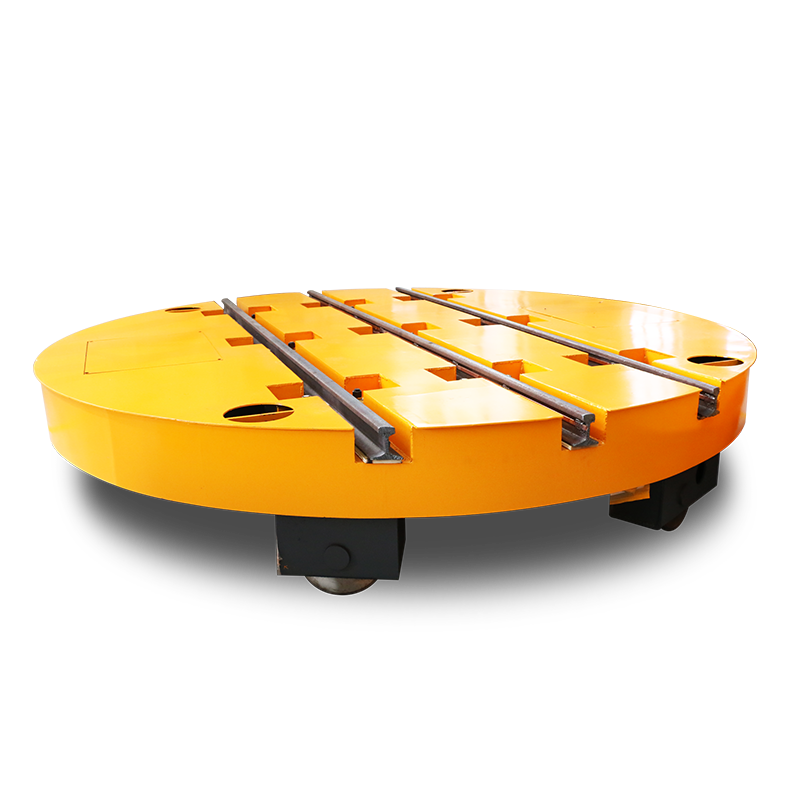
Motorized rotary tables
Heavy-duty coil saddles
Custom mold-locating fixtures
Reinforced non-standard frames
This customizability is critical for industries where load shapes are not standardized.
Forklift operation depends entirely on trained drivers. Heavy-load environments often require:
Three-shift operations
Nighttime mold transfers
Precise scheduled deliveries
Repetitive multi-station routing
Operator shortages, fatigue, and skill variations all impact stability and throughput.
Heavy-Load AGVs solve this by providing:
Continuous operation with auto-dock charging
Repeatable cycle times
Centralized scheduling and fleet control
Consistent movement independent of operator skill
This allows factories to achieve stable takt times and predictable material flow.
Although a forklift may have a lower upfront cost, long-term operational expenditure is higher due to:
Fuel or frequent battery replacement
Operator salaries
Accidental damage to goods or infrastructure
High-maintenance mechanical components
Skill training and certification requirements
AGVs reduce lifetime cost through:
Lower energy consumption
Minimal routine maintenance
Zero operator cost
Near-zero accident-related losses
Longer operational lifespan
For heavy-load environments, the cost advantage becomes especially significant over multi-year operation.
The shift away from forklifts is not simply a trend—it is a technical evolution driven by load characteristics, safety requirements, and automation demands. Heavy-Duty AGVs provide the structural strength, motion precision, and operational reliability required for steel, mold, and tooling transport in modern factories.
As manufacturing moves toward smarter and more predictable workflows, AOTENENG Heavy-Load AGVs offer a future-ready solution engineered specifically for high-density industrial environments.
You have questions, comments or general inquiries? We value your suggestions. Drop us a line! Fill the form below just to say hi or to send us any questions or comments you might have.