
 English
 简体中文
简体中文Reducing Manual Handling Risks with Heavy-Duty AGVs

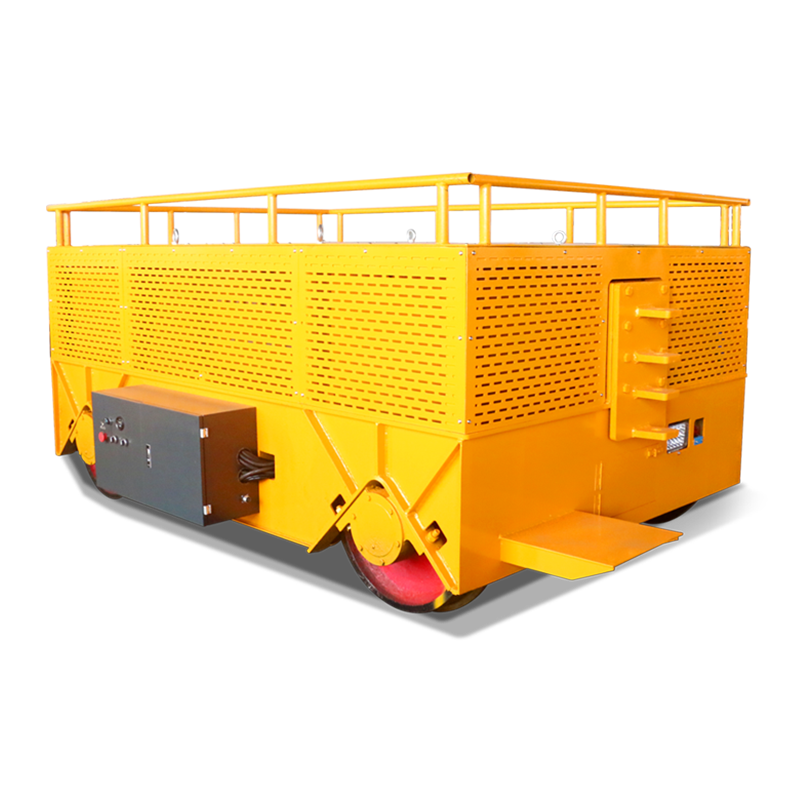
Manual handling of heavy materials remains one of the most significant safety challenges in manufacturing environments. Lifting, pushing, pulling, and maneuvering multi-ton loads expose workers to risks that cannot be fully mitigated—even with training or mechanical aids.
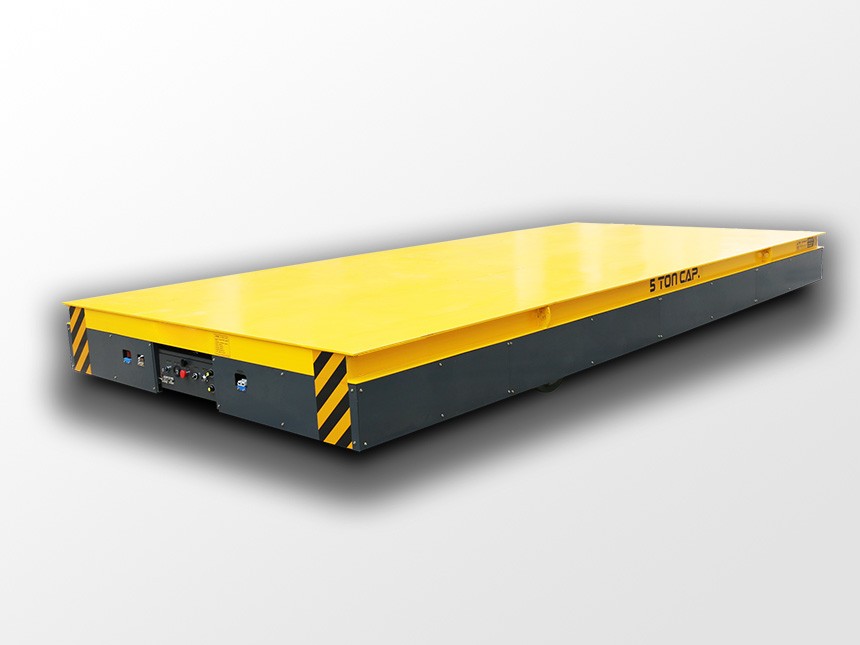
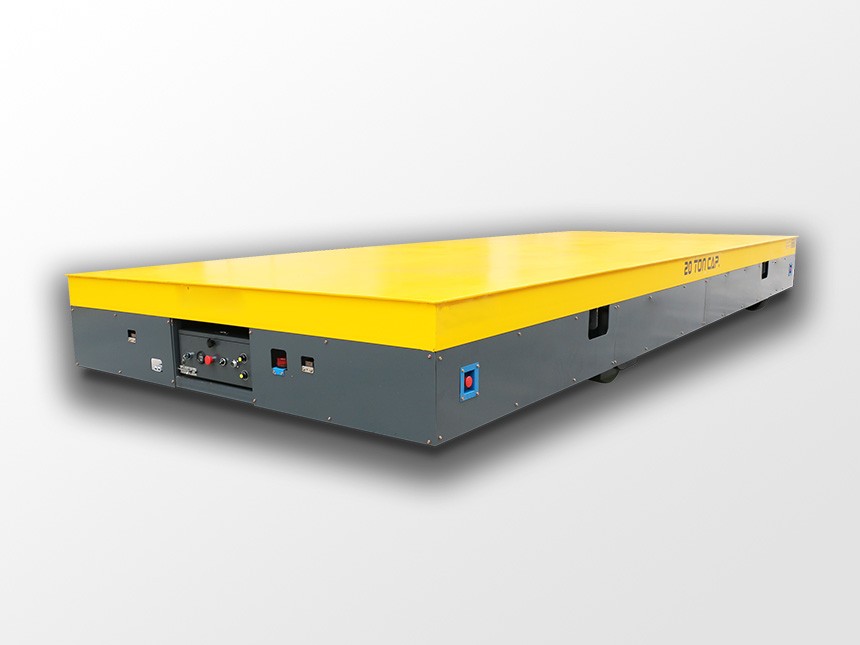
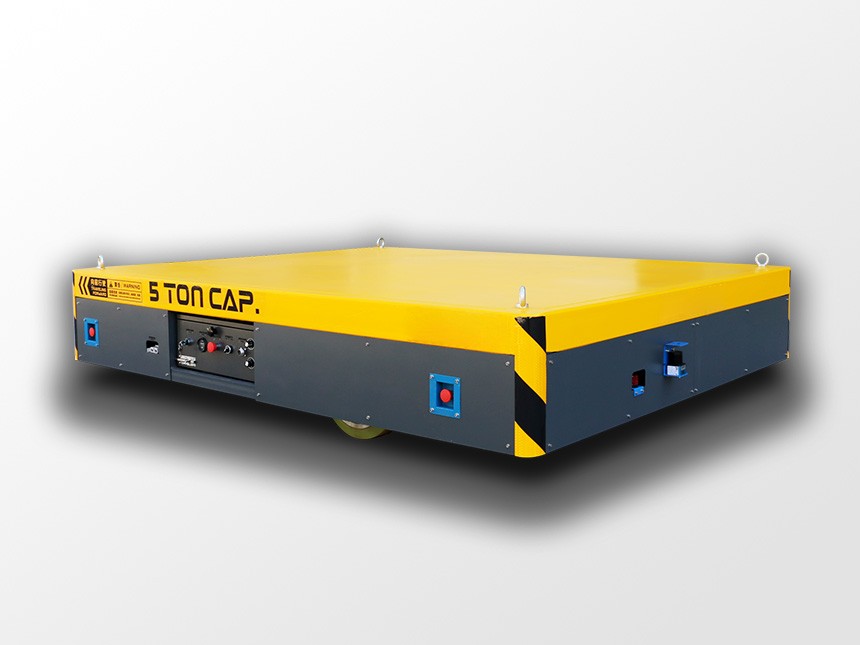
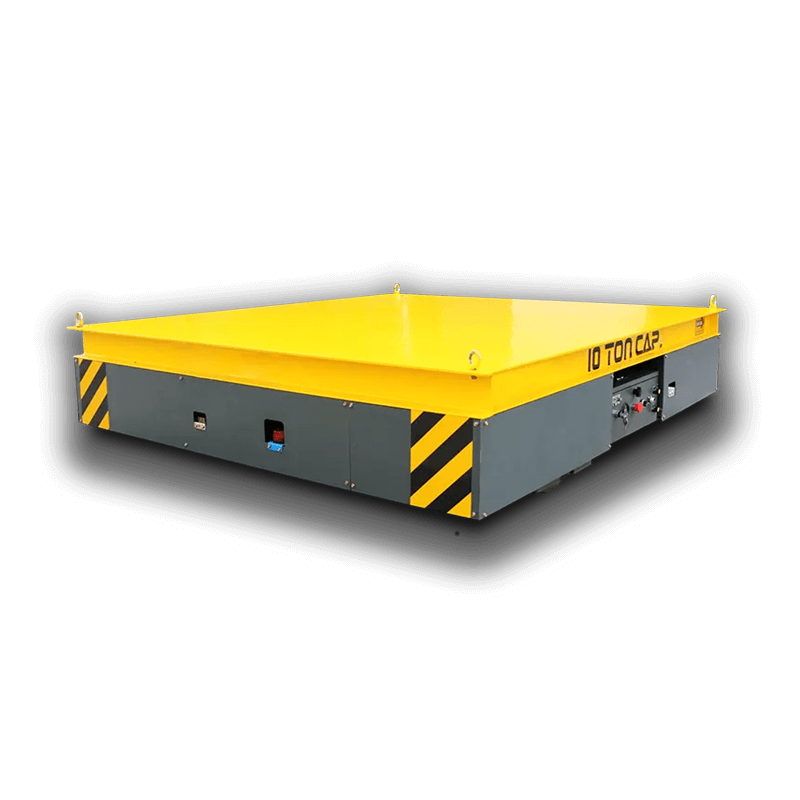
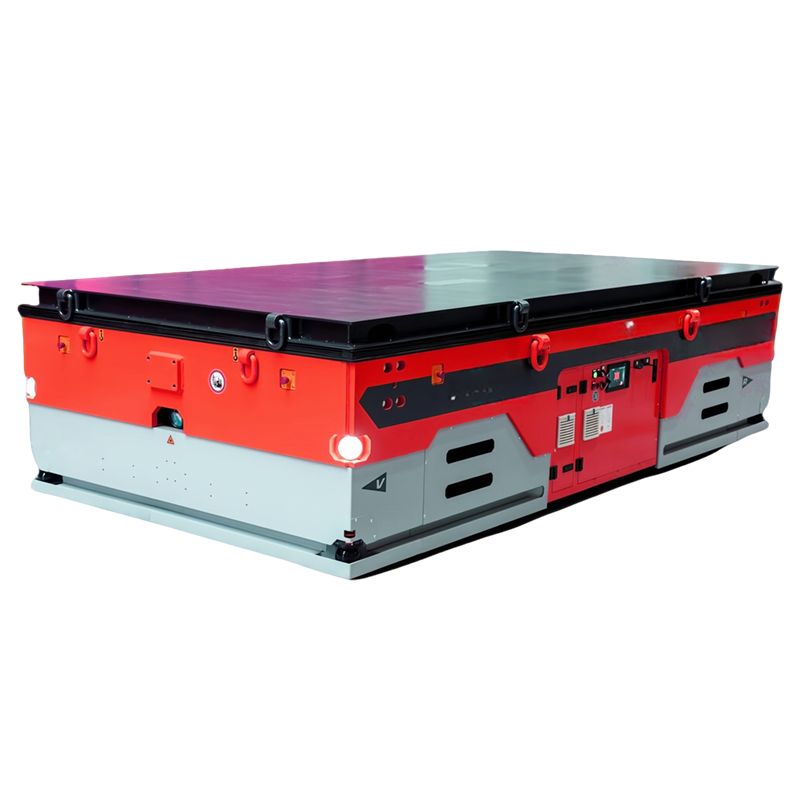
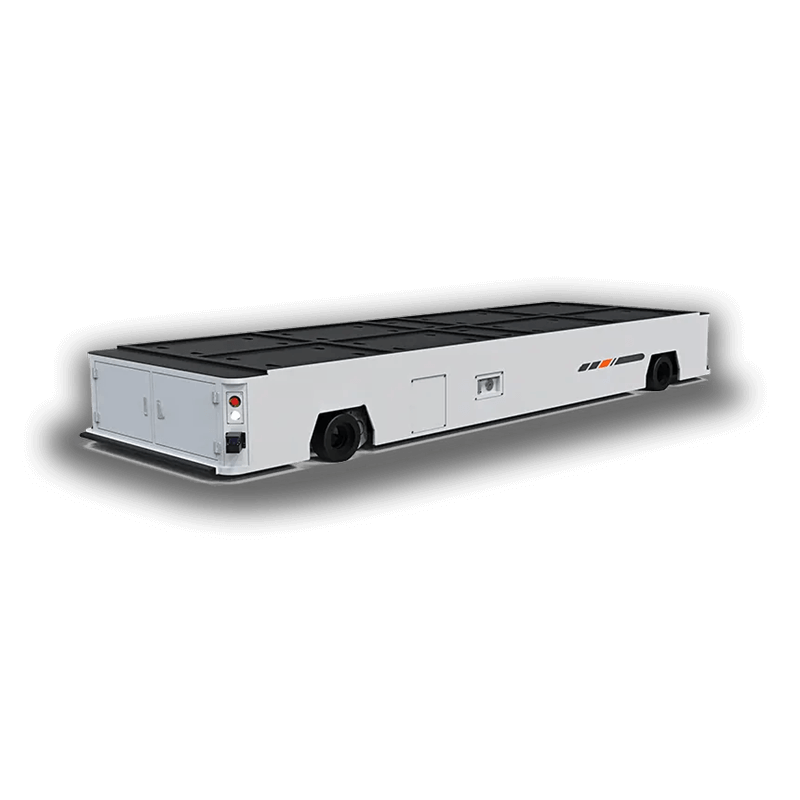
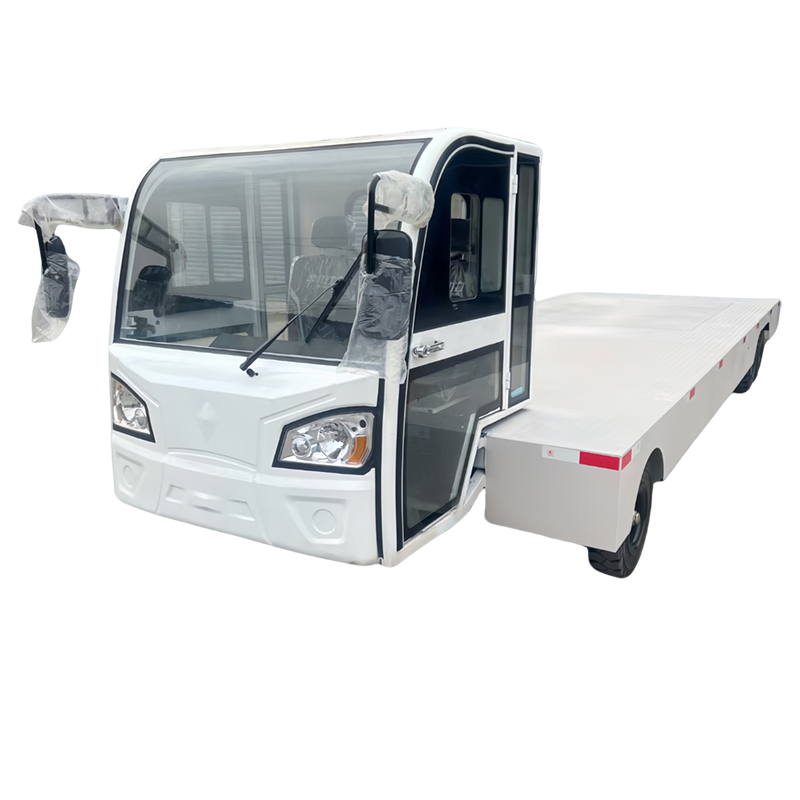
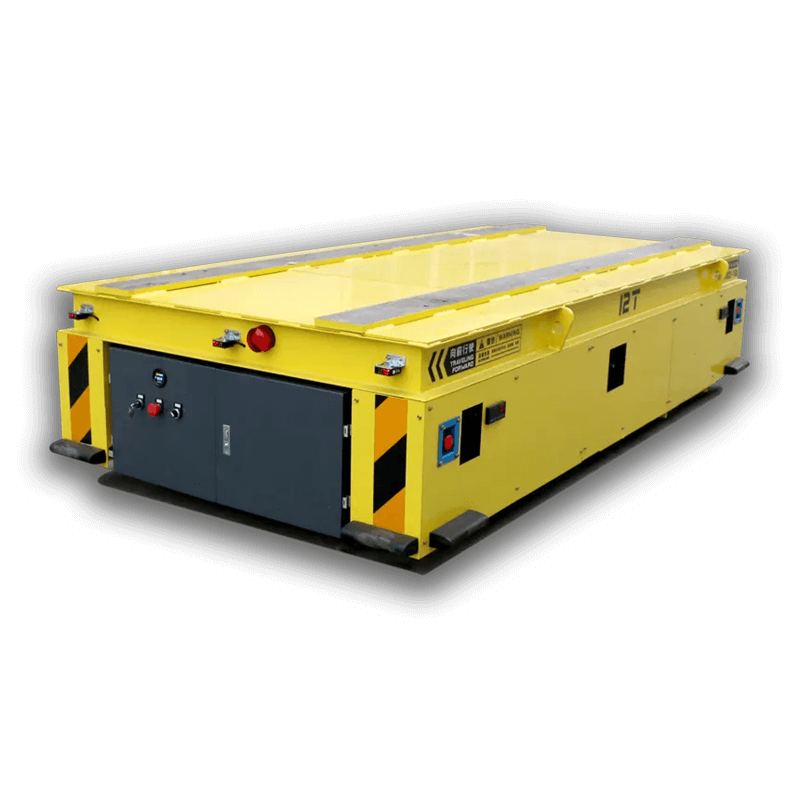
Heavy-Duty AGVs reduce these risks by replacing manual handling with automated, controlled, and repeatable transport operations. This article explains how Heavy-Duty AGVs minimize ergonomic hazards and enhance workplace safety, and how AOTENENG designs its systems to support safety-first industrial environments.
(Values can be customized based on project requirements)
| Category | Specification |
|---|---|
| Product Type | Heavy-Duty Automated Guided Vehicle (AGV) |
| Rated Load Capacity | 10–40 tons (higher capacity available by request) |
| Recommended Load Margin | 125–150% of actual working load |
| Load Characteristics | Centered / Offset / Uneven / High center-of-gravity loads |
| Vehicle Structure | Reinforced welded steel frame, fatigue-resistant design |
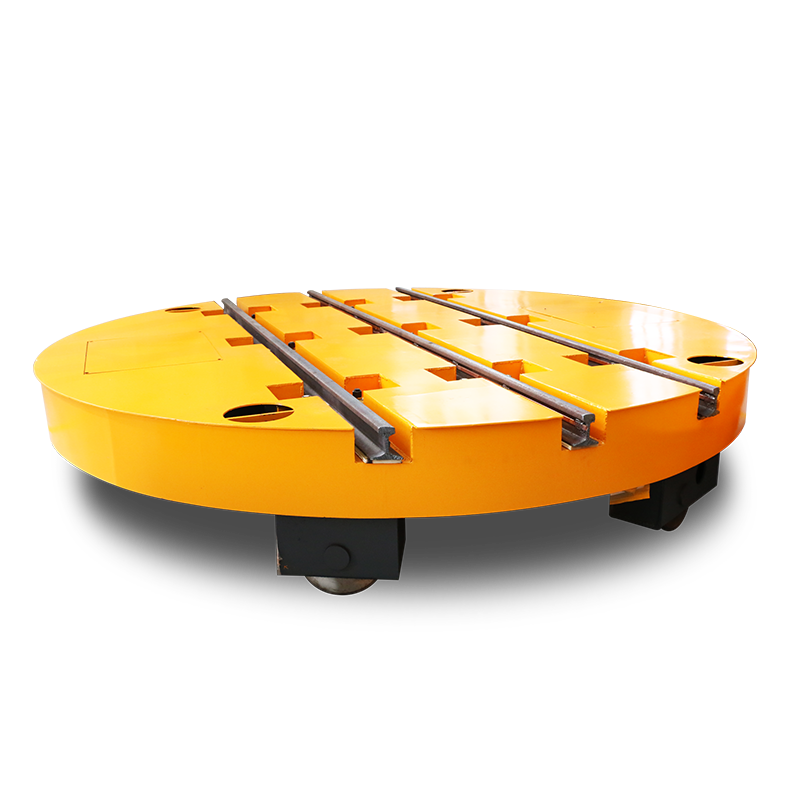
| Platform Options | Flat deck / Hydraulic lift / Scissor lift / Turntable / Coil saddle / Custom fixtures |
| Platform Size | Customized to load dimensions |
| Drive System | High-torque electric drive with industrial reducer |
| Acceleration & Braking | Smooth-start & soft-stop logic for load stability |
| Navigation Methods | Magnetic tape / QR code (vision) / Hybrid navigation |
| Positioning Accuracy | ±5–10 mm |
| Travel Speed (Loaded) | 0–30 m/min (adjustable) |
| Turning Capability | Straight travel / Steering / Zero-radius (design dependent) |
| Power Supply Options | Lithium battery / Lead-acid battery |
| Charging Methods | Manual charging / Fast charging / Automatic docking |
| Battery Management | Optional quick-swap battery drawer |
| Operating Time | Suitable for single-shift to 24/7 multi-shift operation |
| Safety Sensors | Front & rear LiDAR, side ultrasonic detection |
| Safety Functions | Obstacle detection, emergency stop bumpers, speed zoning |
| Warning System | Audible alarms, LED warning lights |
| Control System | PLC-based industrial control |
| System Integration | MES / WMS / Production line synchronization |
| Fleet Management | Multi-AGV coordination supported |
| Operating Environment | Indoor heavy industrial environments |
| Special Versions | Heat-resistant / Explosion-proof / Workshop-specific |
| Customization Scope | Load capacity, platform type, navigation, safety level |
In plants where steel plates, molds, dies, or assemblies must be transported frequently, workers face:
Overexertion injuries
Crushed hands or feet
Pinch points during alignment
Back strain from repeated pushing or lifting
Collision risks in congested aisles
Fatigue-related handling errors
Even with forklifts, cranes, or pallet jacks, human involvement still introduces unpredictable variables. Heavy-Duty AGVs remove these risks by eliminating direct human interaction with the load.
Heavy-Duty AGVs significantly reduce or eliminate:
Workers no longer have to manually push, pull, or guide loads.
AGVs automatically position molds, dies, or pallets with millimeter-level precision.
Operators are no longer walking alongside or steering multi-ton equipment.
AGVs operate using predefined routes and safety zones, reducing contact with workers.
By automating these tasks, the AGV becomes a primary engineering control for safety improvement.
Unlike forklifts or manually moved carts, AGVs perform the same trajectory and motion profile every time:
Controlled acceleration
Soft braking curves
Consistent turning radius
Predictable stop points
Automated obstacle detection
AOTENENG calibrates motion control to ensure smooth handling, minimizing vibration and eliminating sudden load shifts that could injure workers or damage components.
Heavy-Duty AGVs utilize several integrated safety layers:
Laser scanners for long-range object detection
Ultrasonic sensors for near-field protection
Safety bumpers that trigger instant shutdown
Speed control zones in crowded areas
Automatic route shutdown if obstacles persist
Emergency-stop circuits accessible from all sides
These systems help maintain strict separation between heavy moving equipment and personnel.
Forklifts remain one of the leading sources of industrial transport accidents.
By replacing forklift shuttling with AGVs:
Aisles become safer
Human-vehicle interactions are reduced
Material flow becomes more predictable
Operators no longer need to maneuver in tight spaces
Visibility issues are eliminated
AOTENENG’s AGV systems often lead to a measurable reduction in incident rates within the first months of operation.
Removing repetitive heavy-handling tasks results in:
Lower physical strain
Reduced fatigue
Greater worker focus on skilled tasks
Lower long-term musculoskeletal injuries
Healthier and more sustainable work environments
This supports productivity while improving long-term staffing stability.
AOTENENG Heavy-Duty AGVs can integrate with facility-level safety systems such as:
Access control and restricted zones
Conveyor and line-side interlocks
Warning lights and sirens
Fleet management logging
Automated incident reporting
These integrations create a unified safety ecosystem aligned with modern industrial standards.
AGVs generate continuous operational data that helps facilities:
Analyze transport bottlenecks
Identify high-risk zones
Optimize route safety
Track near misses through sensor logs
Develop targeted safety policies
This provides insights that manual workflows can never deliver.
Manual handling risks cannot be fully eliminated by procedural training alone. Heavy-Duty AGVs act as an engineering control—removing high-risk tasks, standardizing motion, reducing forklift traffic, and creating safer, more predictable workflows.
AOTENENG designs its heavy-load AGVs to not only move multi-ton materials efficiently, but also enhance the safety culture throughout the facility. Replacing manual handling with automation is one of the most effective steps manufacturers can take toward a safer workplace.
You have questions, comments or general inquiries? We value your suggestions. Drop us a line! Fill the form below just to say hi or to send us any questions or comments you might have.