
 English
 简体中文
简体中文Heavy-Duty AGV Solutions for High-Load Material Handling

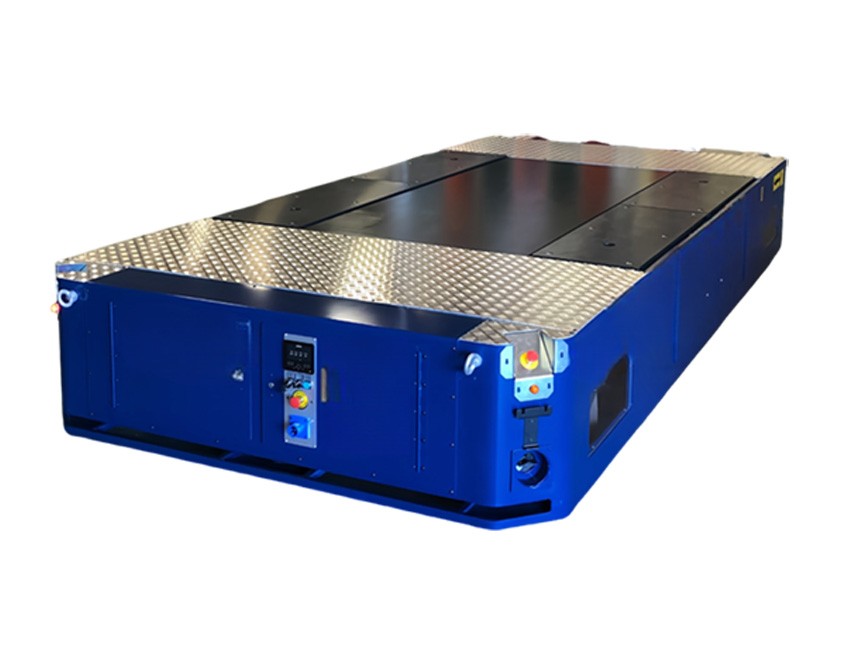
High-load material handling has always been one of the most challenging parts of factory logistics. Moving multi-ton molds, steel components, tooling assemblies, or oversized parts typically requires forklifts, overhead cranes, or manual coordination—each carrying its own risks, downtime, and labor cost. As manufacturing becomes more automated and production lines expand, these traditional methods often struggle to keep up with modern workflows.
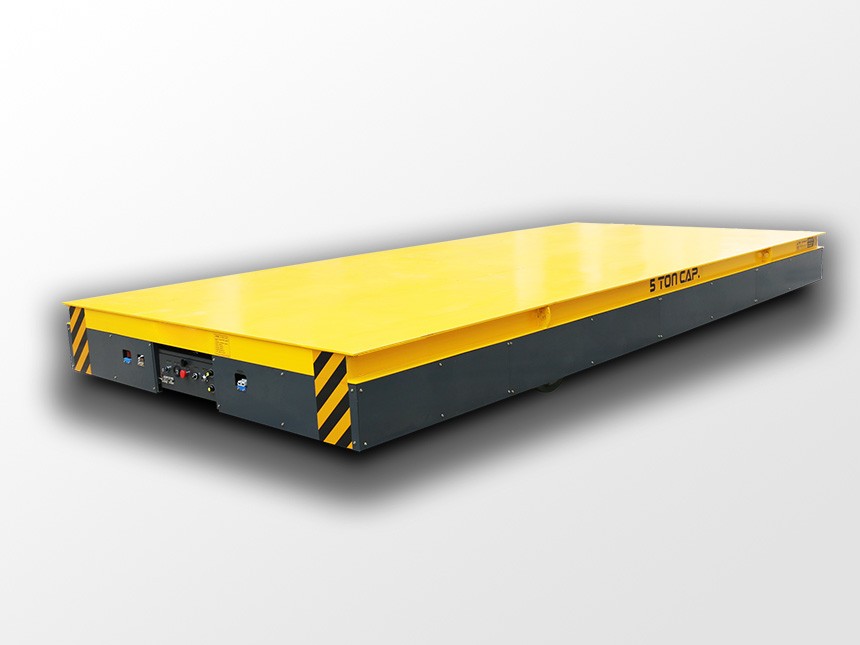
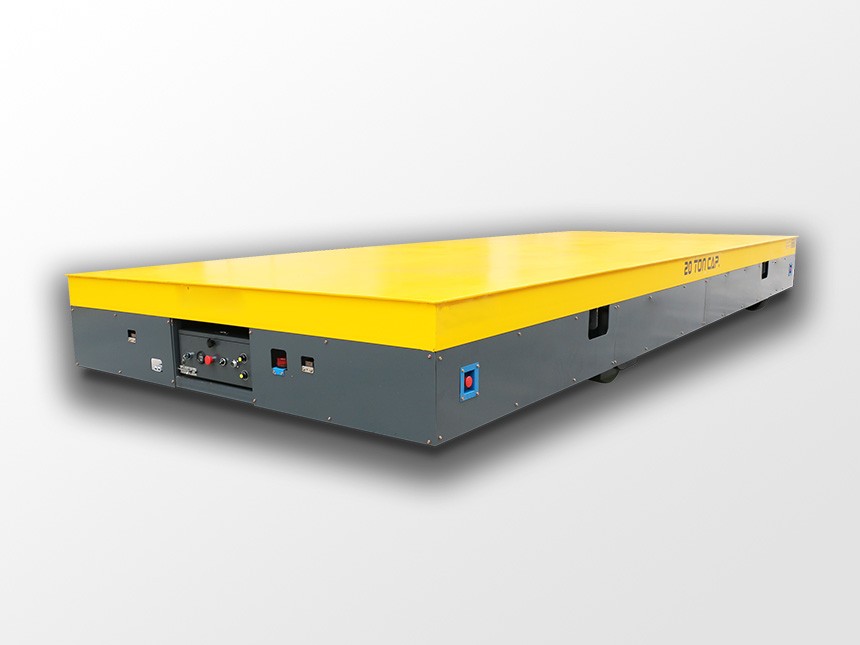
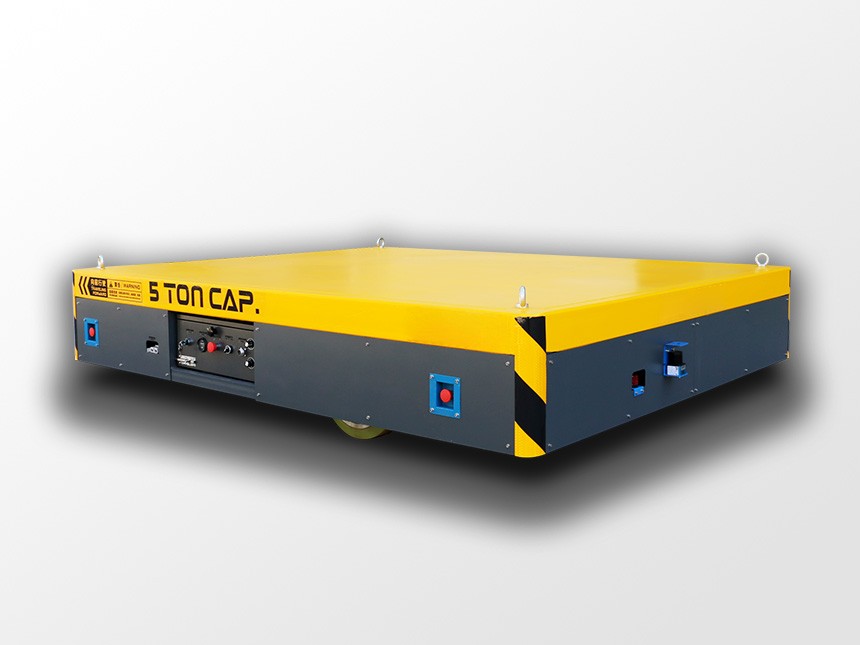
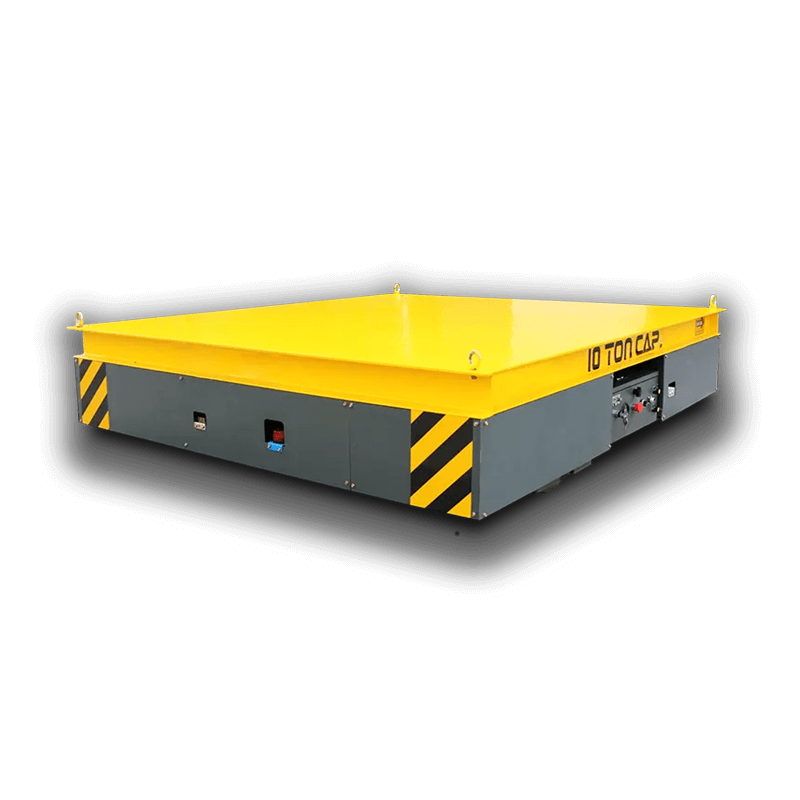
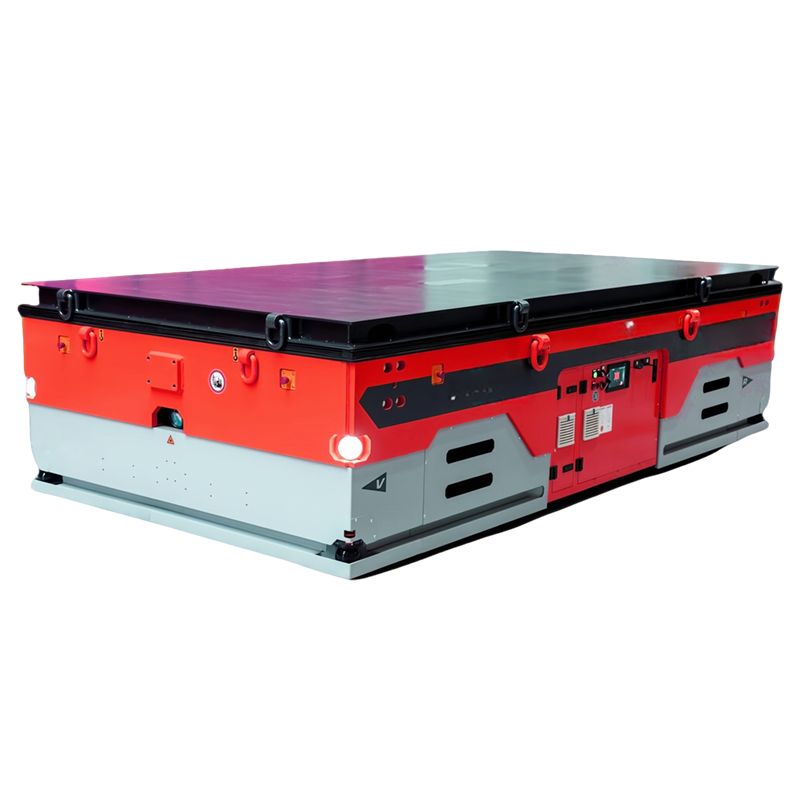
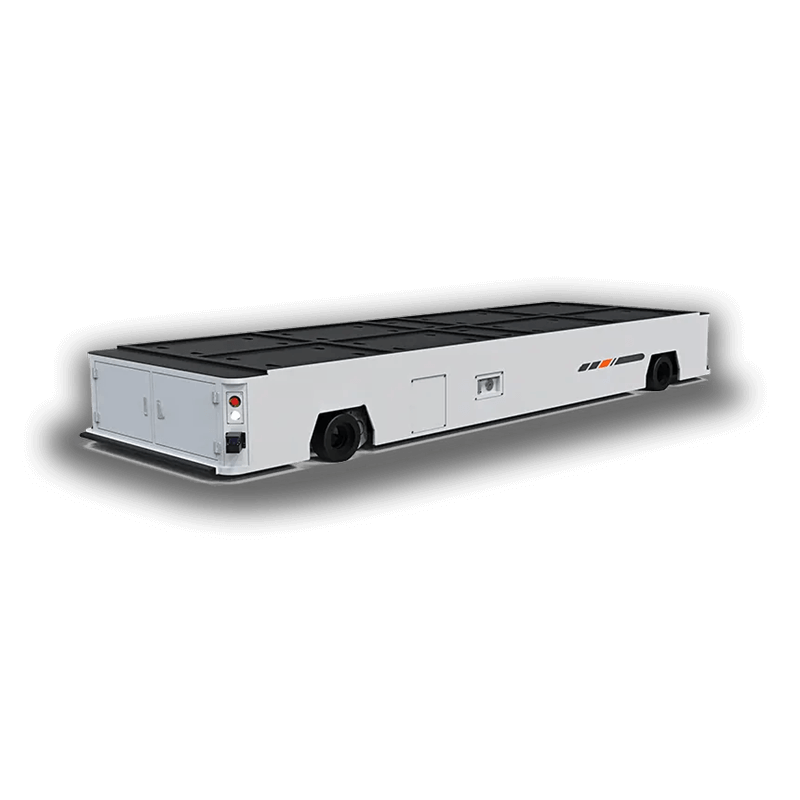
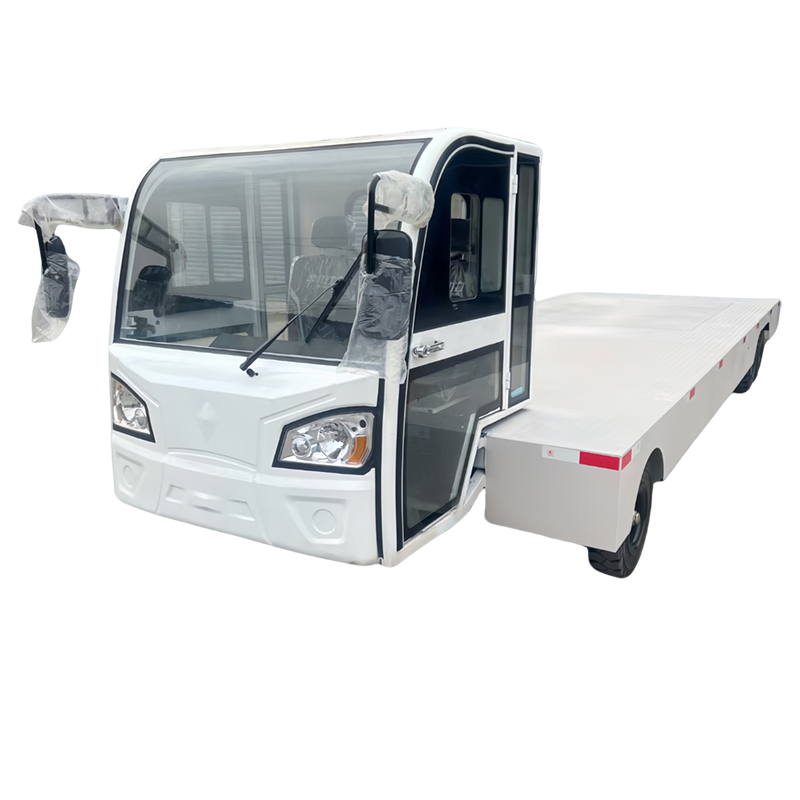
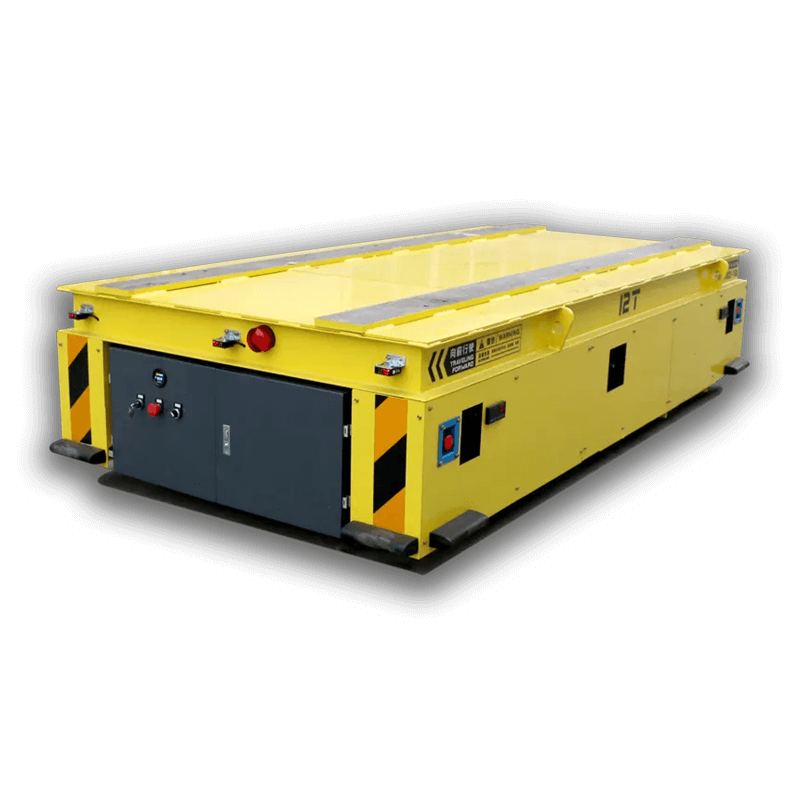
Heavy-Duty AGVs are changing this landscape. Designed to handle loads ranging from several tons to dozens of tons, these autonomous vehicles provide a stable, predictable, and fully coordinated way to move heavy materials across large production environments. Their impact on safety, efficiency, and consistency is reshaping how factories operate.
(Values can be customized based on project requirements)
| Category | Specification |
|---|---|
| Product Type | Heavy-Duty Automated Guided Vehicle (AGV) |
| Load Capacity | 10–60 tons (customizable up to 100+ tons) |
| Vehicle Structure | Reinforced welded steel frame, anti-deformation design |
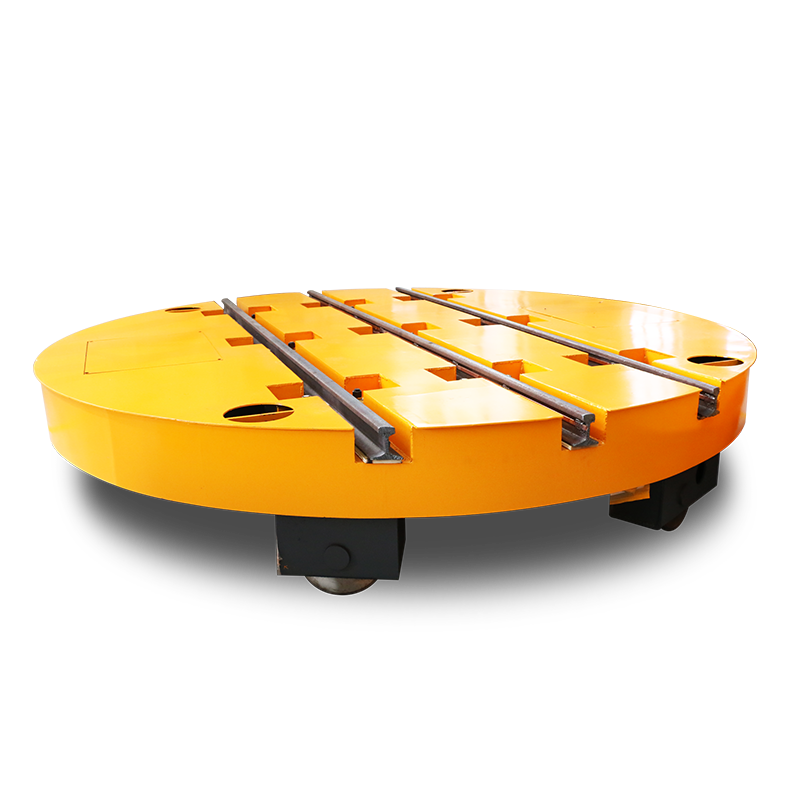
| Platform Type | Flat deck / Hydraulic lift / Turntable / Coil saddle / Mold fixture |
| Dimensions (L×W×H) | Customized according to load size and factory layout |
| Drive System | High-torque AC servo motors / Industrial-grade reducers |
| Travel Speed (Loaded) | 0–30 m/min (adjustable) |
| Speed Control | Variable frequency control with soft start/stop |
| Navigation Method | Magnetic tape / QR code / Hybrid navigation |
| Positioning Accuracy | ±5–10 mm |
| Power Supply | Lithium battery / Lead-acid battery / Busbar (optional) |
| Battery Capacity | 200–800 Ah (depending on load and duty cycle) |
| Charging Method | Manual charging / Automatic docking / Fast charging |
| Operating Time | 8–24 hours (depending on operation mode) |
| Turning Radius | Zero-radius / Minimum-radius steering (design dependent) |
| Climbing Ability | ≤ 3–5% |
| Floor Requirement | Industrial concrete floor / Embedded track (optional) |
| Control System | PLC + Industrial wireless communication |
| System Integration | MES / WMS / ERP compatible |
| Safety Sensors | LiDAR, ultrasonic sensors, bumper switches |
| Safety Functions | Obstacle detection, emergency stop, speed zoning |
| Warning System | Audible alarm, LED warning lights |
| Operating Temperature | -20°C to +50°C (cold storage version optional) |
| Application Industries | Steel, mold & die, wind energy, automotive, foundry |
| Customization Options | Platform size, load fixture, power mode, navigation |
| Compliance | CE / ISO / Factory safety standards |
Transporting large molds, steel blocks, or long structural components with forklifts requires skilled operators—and even then, the risk of collision, load shifting, or accidental damage remains high. Heavy-Duty AGVs remove this uncertainty by following programmed routes, keeping a constant speed, and using controlled acceleration to stabilize heavy or uneven loads.
With automated navigation and built-in safety sensors, they reduce workplace accidents and minimize product loss, especially valuable for industries that handle expensive tooling or precision components.
Unlike forklifts or tuggers, Heavy-Duty AGVs are engineered around reinforced frames, high-torque drive systems, and shock-resistant platforms that maintain stability during high-load movement. This is especially critical for:
Steel production and machining
Large injection molds and die sets
Wind-energy components
Foundry tooling
Heavy assemblies in automotive and equipment manufacturing
AOTENENG’s heavy-load AGV platforms are built to keep performance consistent even under the toughest operating conditions.
Modern factories rely on synchronized processes. A single late delivery can interrupt machining schedules, press-line operations, or welding workflows. Heavy-Duty AGVs improve scheduling accuracy by following precise delivery routes and repeatable timing.
Their navigation systems—whether magnetic, QR-based, or hybrid—allow them to operate in complex routes, narrow aisles, long corridors, or multi-station production lines. Even as production layouts evolve, the AGVs can be reprogrammed without major structural changes.
Heavy-Duty AGVs run multiple shifts daily with minimal intervention. Battery-powered systems, especially those equipped with automatic docking or fast-charging stations, provide continuous operation. Over time, this reduces:
Dependency on forklift operators
Fuel or maintenance costs of conventional vehicles
Machine downtime caused by transportation delays
Factories gain a predictable, repeatable logistics rhythm—ideal for lean manufacturing environments.
Safety is where these systems excel. Heavy-Duty AGVs are equipped with:
Multi-zone LiDAR scanning
Ultrasonic edge detection
Emergency-stop bumpers
Auto-speed reduction in high-traffic zones
Programmable warning lights and alarms
Combined with centralized monitoring, supervisors can track every vehicle’s status, route, speed, and battery level in real time. This adds transparency to internal logistics while ensuring compliance with safety standards.
Every factory handles heavy materials differently. AOTENENG provides customized platforms including:
Hydraulic lift tables
Multi-degree turntables
Coil saddles
Mold-locating fixtures
Oversized platform extensions
By matching the platform to the load shape, the AGV becomes an exact fit for the production workflow—not a compromise.
Heavy-Duty AGVs offer more than automation—they reshape how factories think about high-load logistics. By improving safety, accelerating material flow, and reducing the need for manual intervention, they open the door to higher production stability and long-term operational gains.
As manufacturers continue moving toward smart, data-driven workflows, Heavy-Duty AGVs are quickly becoming an essential part of modern factory infrastructure.
You have questions, comments or general inquiries? We value your suggestions. Drop us a line! Fill the form below just to say hi or to send us any questions or comments you might have.