
 English
 简体中文
简体中文Deploying Heavy-Duty AGVs in Complex Factory Layouts

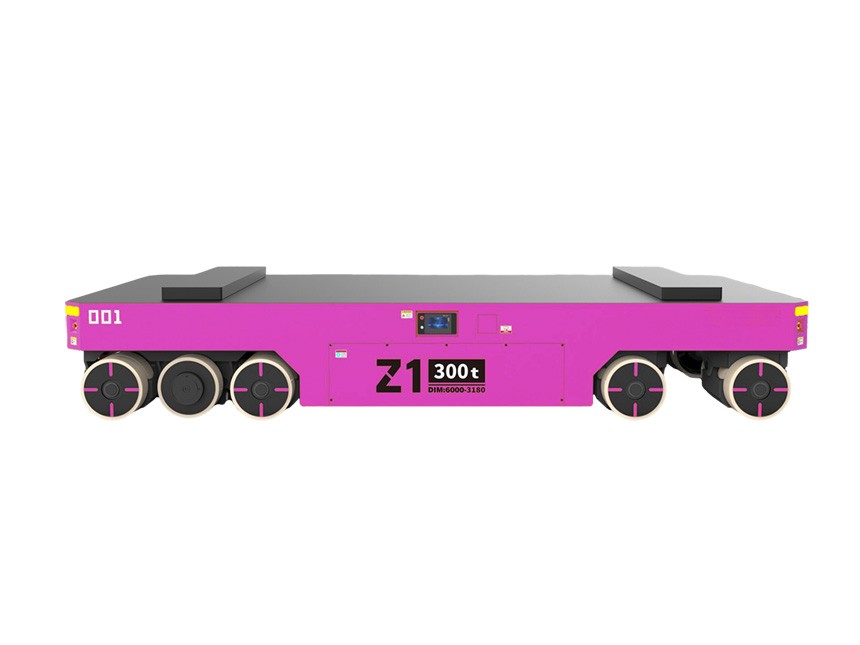
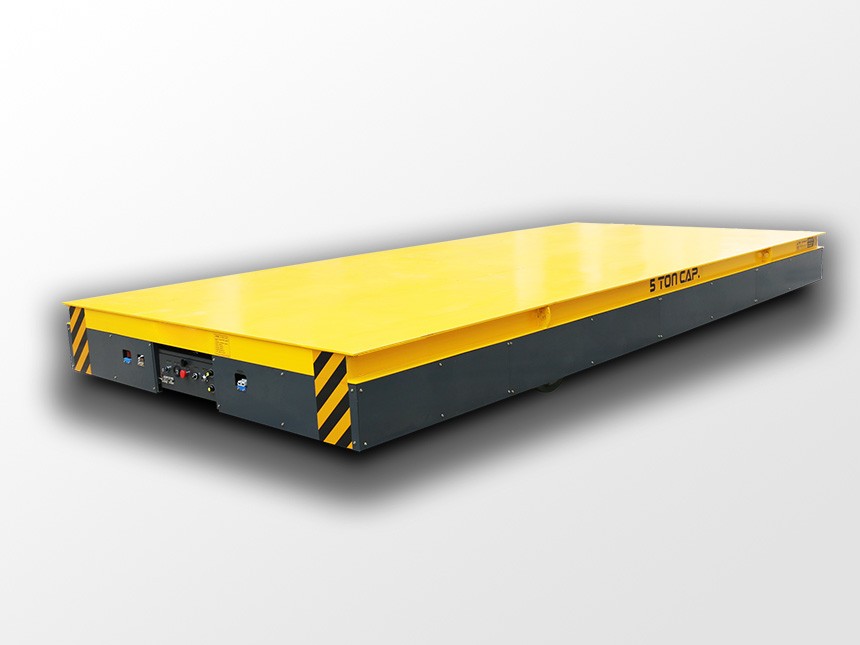
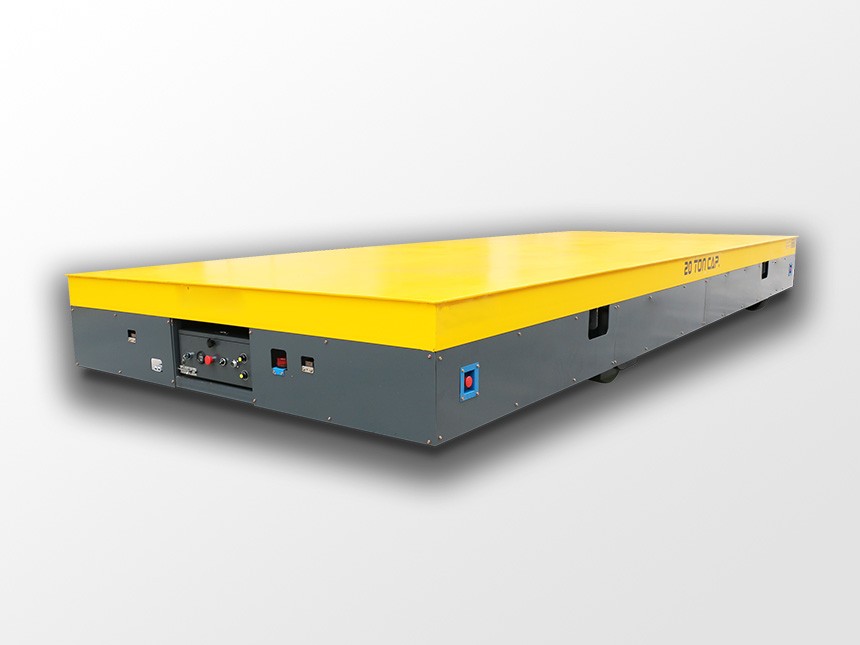
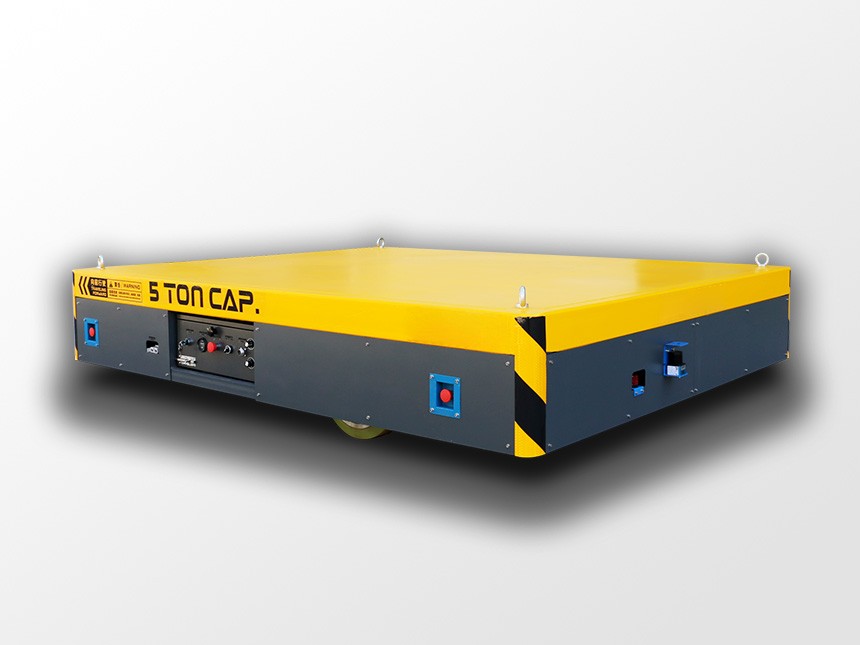
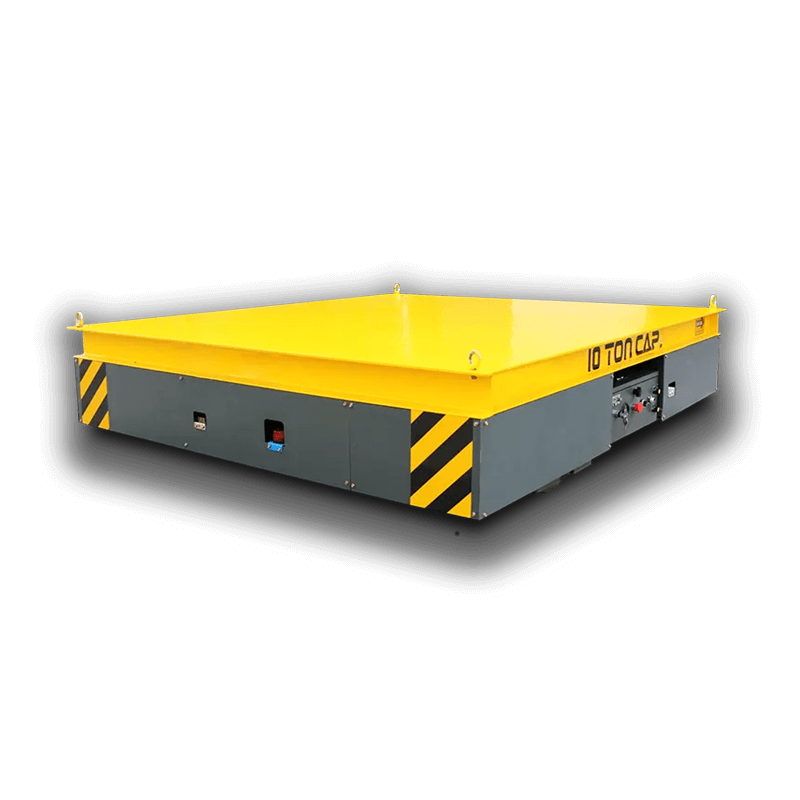
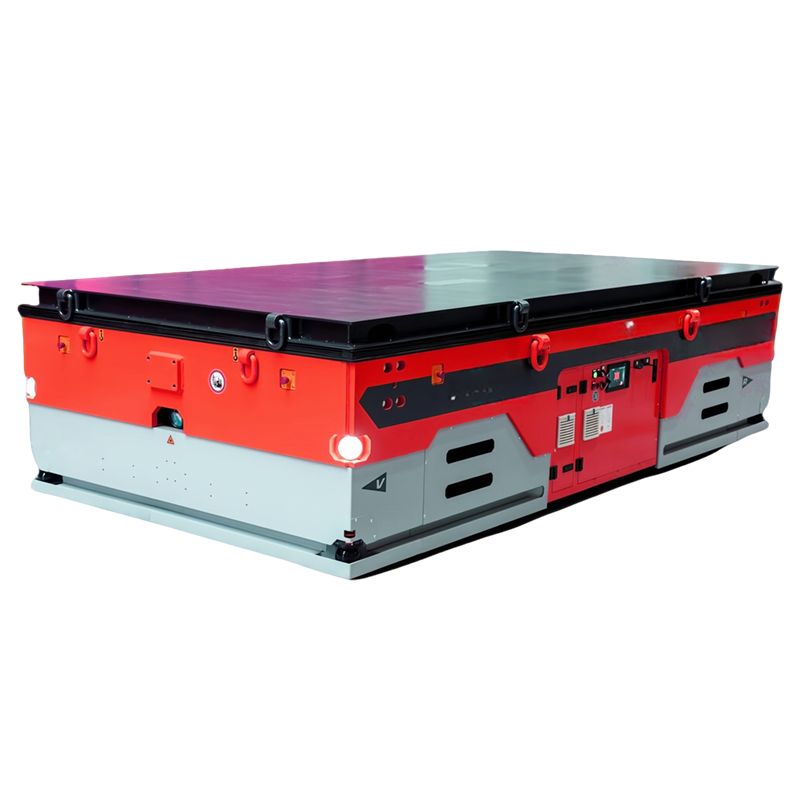
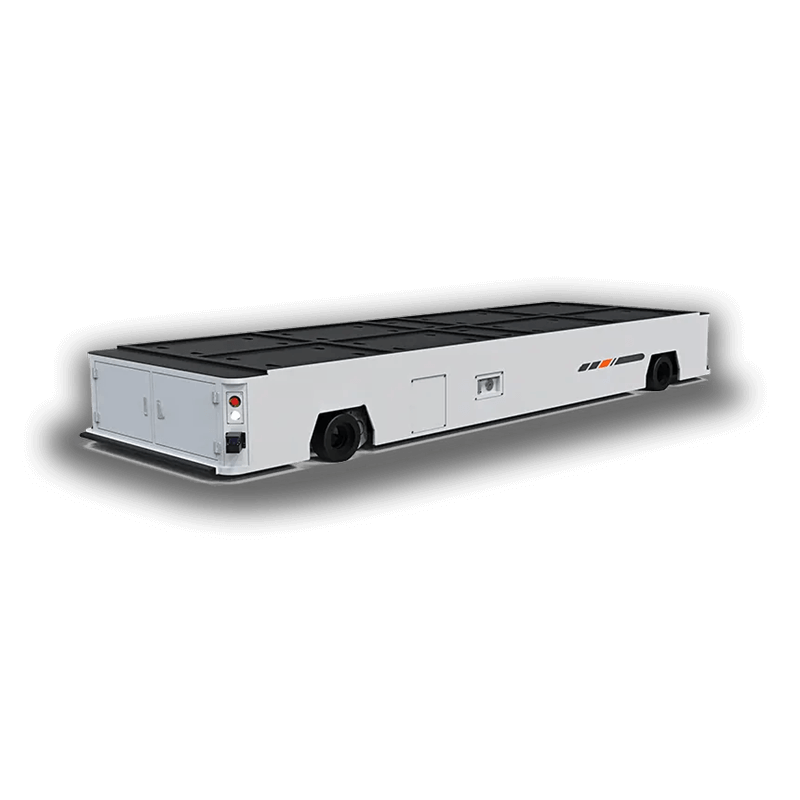
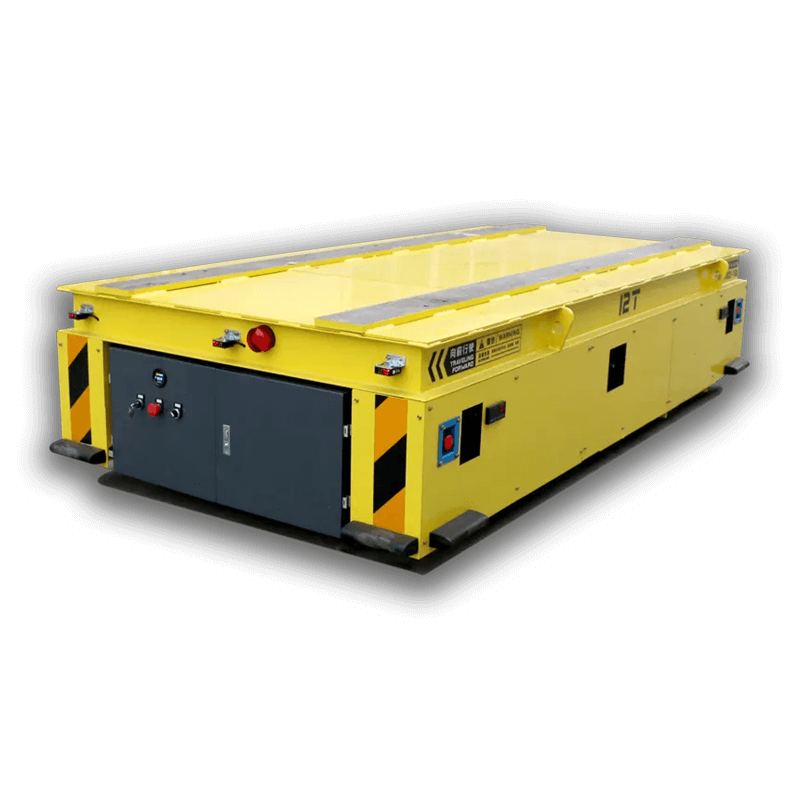
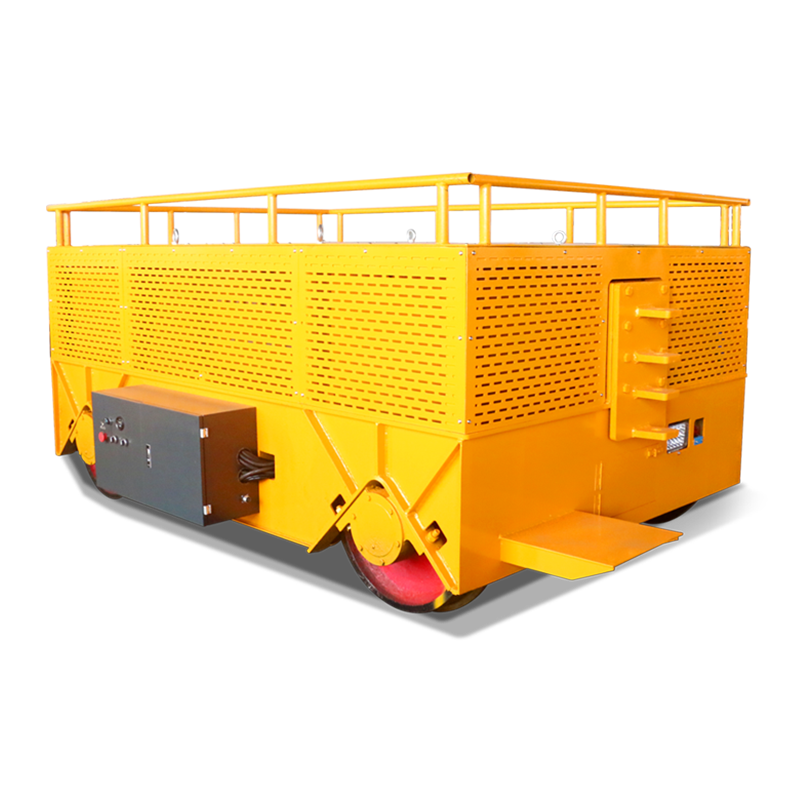
Deploying Heavy-Duty AGVs inside a complex factory layout is fundamentally different from implementing small warehouse robots. Multi-ton AGVs require larger turning radii, wider paths, dedicated safety zones, stable flooring conditions, and precise coordination with existing equipment.
This article outlines the critical engineering considerations when integrating Heavy-Duty AGVs into industrial environments with multi-lane intersections, mixed traffic, production islands, and continuous material flow.
(Values can be customized based on project requirements)
| Category | Specification |
|---|---|
| Product Type | Heavy-Duty Automated Guided Vehicle (AGV) |
| Rated Load Capacity | 10–40 tons (higher capacity available by request) |
| Recommended Load Margin | 125–150% of actual working load |
| Load Characteristics | Centered / Offset / Uneven / High center-of-gravity loads |
| Vehicle Structure | Reinforced welded steel frame, fatigue-resistant design |
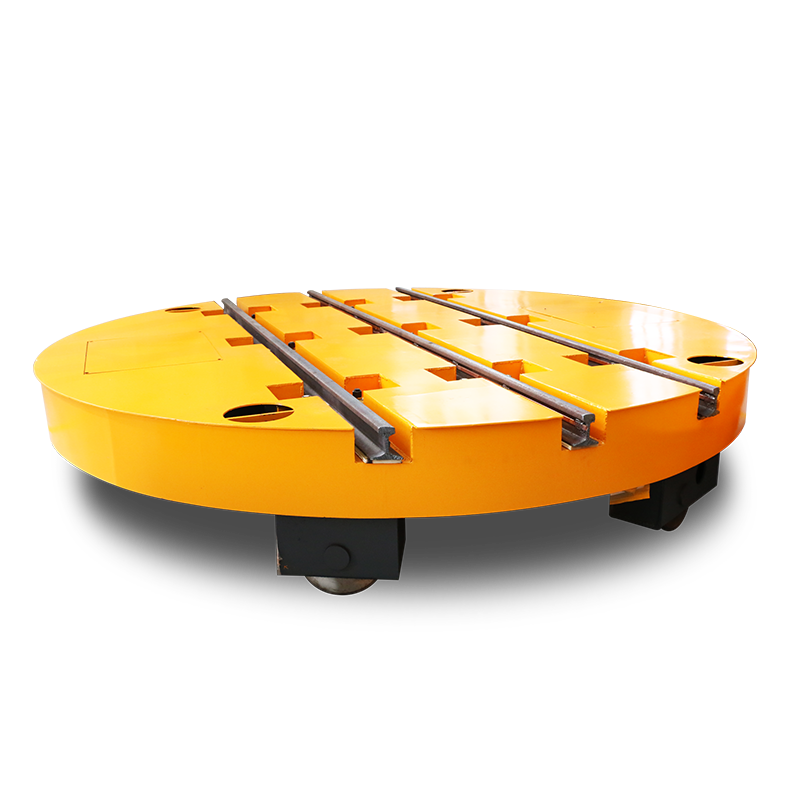
| Platform Options | Flat deck / Hydraulic lift / Scissor lift / Turntable / Coil saddle / Custom fixtures |
| Platform Size | Customized to load dimensions |
| Drive System | High-torque electric drive with industrial reducer |
| Acceleration & Braking | Smooth-start & soft-stop logic for load stability |
| Navigation Methods | Magnetic tape / QR code (vision) / Hybrid navigation |
| Positioning Accuracy | ±5–10 mm |
| Travel Speed (Loaded) | 0–30 m/min (adjustable) |
| Turning Capability | Straight travel / Steering / Zero-radius (design dependent) |
| Power Supply Options | Lithium battery / Lead-acid battery |
| Charging Methods | Manual charging / Fast charging / Automatic docking |
| Battery Management | Optional quick-swap battery drawer |
| Operating Time | Suitable for single-shift to 24/7 multi-shift operation |
| Safety Sensors | Front & rear LiDAR, side ultrasonic detection |
| Safety Functions | Obstacle detection, emergency stop bumpers, speed zoning |
| Warning System | Audible alarms, LED warning lights |
| Control System | PLC-based industrial control |
| System Integration | MES / WMS / Production line synchronization |
| Fleet Management | Multi-AGV coordination supported |
| Operating Environment | Indoor heavy industrial environments |
| Special Versions | Heat-resistant / Explosion-proof / Workshop-specific |
| Customization Scope | Load capacity, platform type, navigation, safety level |
Before deployment, engineers must perform a detailed route audit:
Heavy loads amplify even small variations in floor level.
Long platforms and multi-ton frames need wider pathways.
Zero-radius steering may help, but layout geometry remains key.
The floor must safely support both AGV weight and payload.
AOTENENG uses onsite 3D route mapping to create a digital twin of the factory before finalizing the AGV configuration.
Different layouts require different navigation systems:
Stable and predictable, ideal for long, fixed routes.
Better for multi-intersection and zone-based movement.
Best for highly complex layouts requiring flexible routing and dynamic obstacle avoidance.
AOTENENG’s go-to solution for facilities with mixed environments.
The choice of navigation affects overall traffic flow, accuracy, and future layout changes.
In complex layouts, AGVs must coexist with:
Forklifts
AMRs
Pedestrian traffic
Conveyor intersections
Workstation queues
AOTENENG’s fleet management system coordinates AGVs using:
Real-time route occupancy
Automatic yield rules
Adaptive speed zones
Intersection control logic
Dynamic path updates
Traffic engineering is essential to avoid bottlenecks and maintain takt time stability.
Safety planning becomes more challenging in large or congested facilities.
AOTENENG implements:
Front, rear, and side LiDAR scanning
Layered speed-reduction zones in human areas
High-visibility status lights
Programmable audible alerts
Emergency-stop pull points
Access control around high-traffic intersections
Clear separation between humans and AGVs reduces incident risk and protects high-value loads.
Complex layouts often involve multiple production islands where the AGV must dock precisely.
Key integration considerations:
Lift table alignment with presses or molding machines
Turntable alignment for die orientation
Roller conveyor synchronization
Communication with production control systems
RFID or QR code confirmation at line-side points
AOTENENG supports custom end-of-line interfaces for seamless process integration.
In real-world operations, loads may differ in:
Weight
Length
Height
Center of gravity
Structural rigidity
These variations influence:
Speed limits
Turning radius
Acceleration profile
Platform type
Safety clearance
AOTENENG configures each Heavy-Duty AGV with load-adaptive motion control to maintain stability across all load types.
In complex layouts, routes might be long or include multiple stops.
Charging strategies include:
Ideal for predictable workflows.
Useful in long waiting zones or buffer stations.
Necessary for 24/7 high-demand plants.
AOTENENG models energy consumption using real route data to ensure adequate uptime.
AOTENENG relies on simulation to validate:
Route feasibility
Intersection behavior
Floor stress distribution
Fleet power requirements
Production cycle alignment
Potential bottlenecks
Simulation identifies risks before installation, reducing commissioning time and lowering deployment cost.
Factories evolve—new production lines, new machines, new materials.
AOTENENG Heavy-Duty AGV systems support:
Navigation map updates
Route expansion
Platform replacement or upgrades
Interface add-ons
Battery system scaling
Multi-fleet coordination
This ensures long-term adaptability without redesigning the entire system.
Complex layouts demand more than simply adding an AGV to the workflow. Success depends on analyzing flooring, traffic, safety, load characteristics, charging logistics, and equipment integration.
AOTENENG combines simulation, engineering surveys, multi-modal navigation, and robust platform design to deploy Heavy-Duty AGVs safely and efficiently—even in the most challenging industrial environments.
You have questions, comments or general inquiries? We value your suggestions. Drop us a line! Fill the form below just to say hi or to send us any questions or comments you might have.