
 English
 简体中文
简体中文Benefits of Heavy-Duty AGVs in Automotive and Metal Fabrication Plants

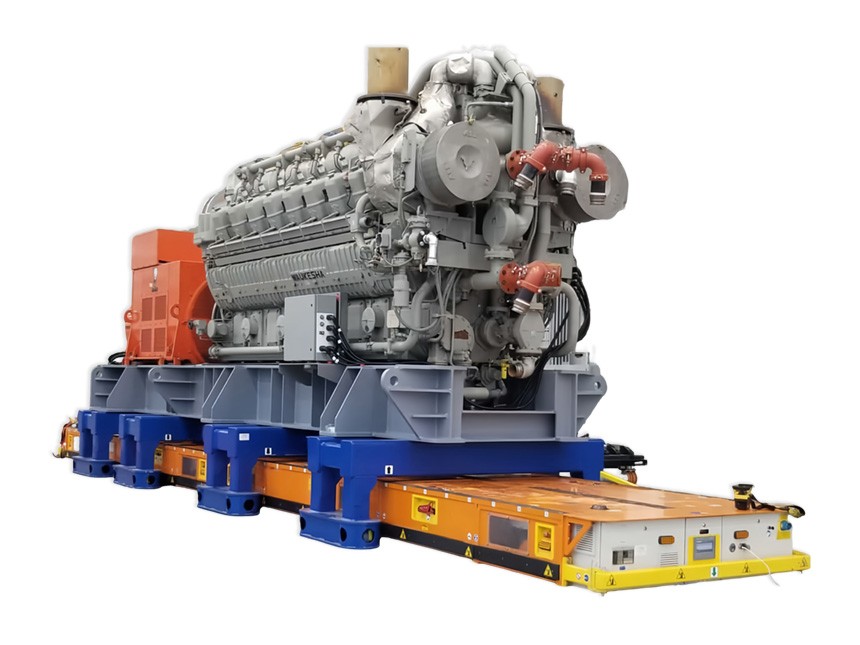
Automotive production and metal fabrication are two of the most demanding industrial environments. Both rely on continuous handling of heavy components—such as body frames, structural steel, machined parts, tooling fixtures, large dies, and stamping molds. Any delay or inconsistency in material movement directly affects production takt time, equipment uptime, and overall plant efficiency.
Heavy-Duty AGVs are becoming the preferred solution across these industries because they provide controlled, predictable, and scalable transport under multi-ton loads. This article explores the technical benefits that make them superior to forklifts, overhead cranes, and manual logistics equipment.
(Values can be customized based on project requirements)
| Category | Specification |
|---|---|
| Product Type | Heavy-Duty Automated Guided Vehicle (AGV) |
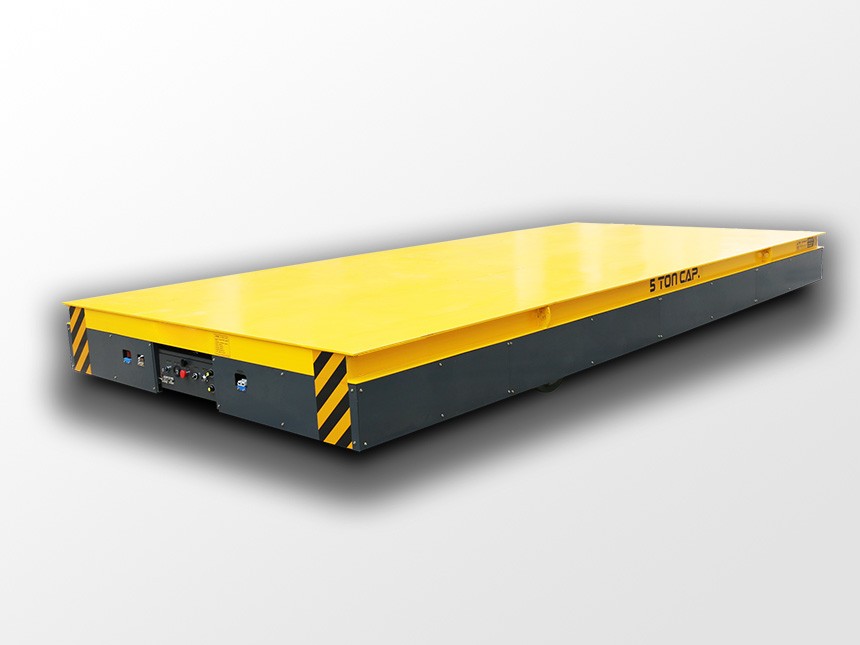
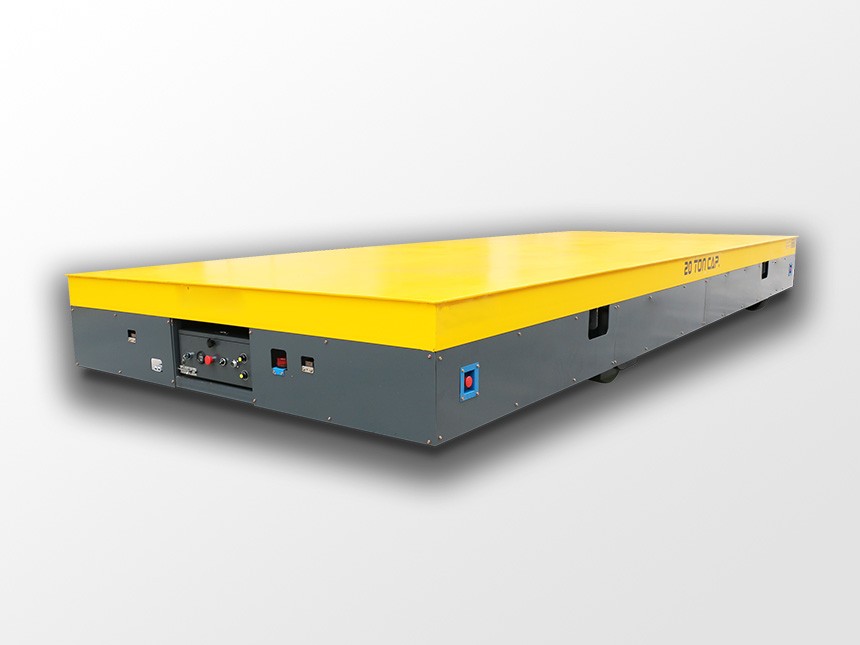
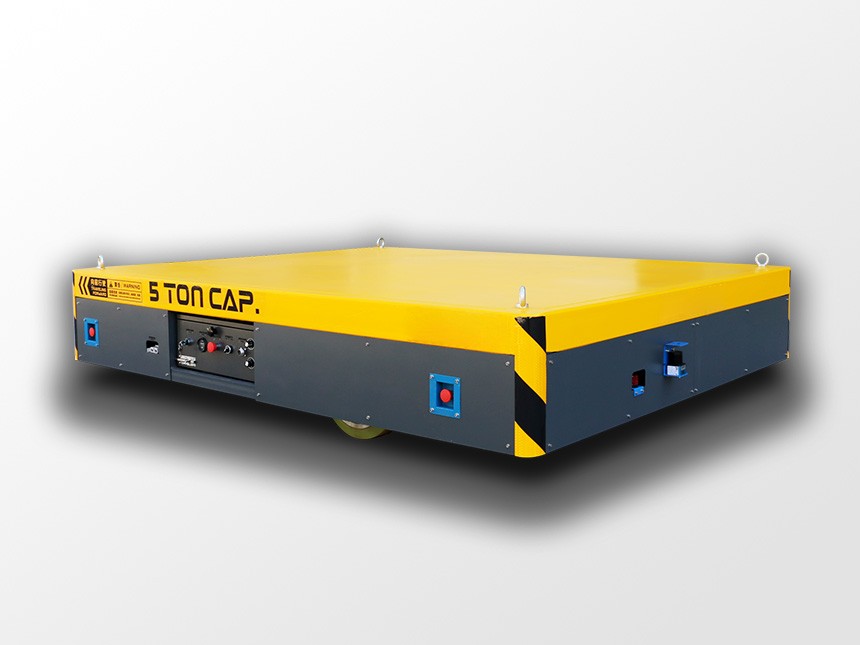
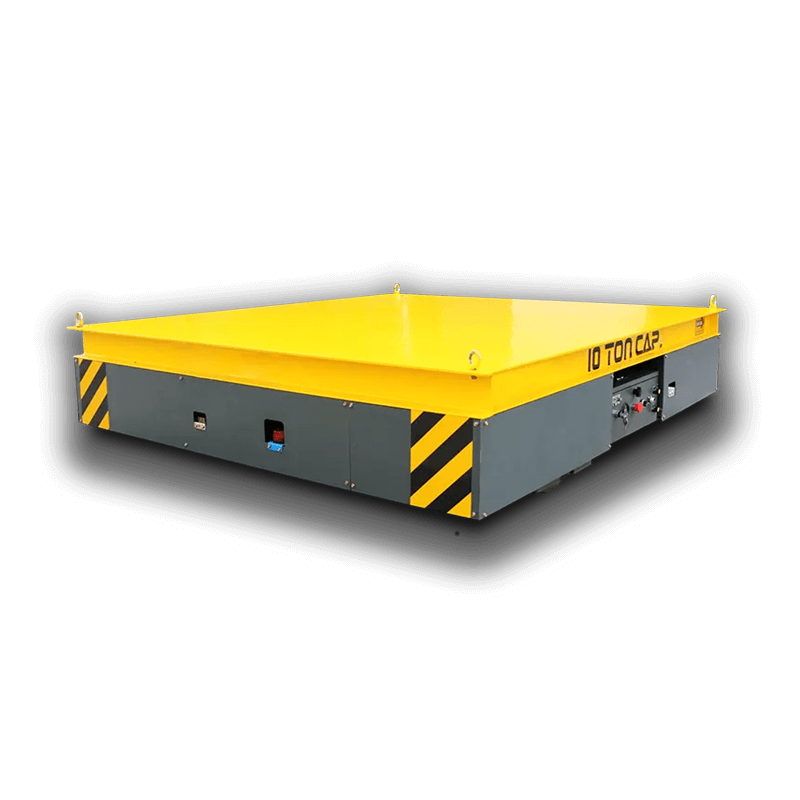
| Rated Load Capacity | 10–40 tons (higher capacity available by request) |
| Recommended Load Margin | 125–150% of actual working load |
| Load Characteristics | Centered / Offset / Uneven / High center-of-gravity loads |
| Vehicle Structure | Reinforced welded steel frame, fatigue-resistant design |
| Platform Options | Flat deck / Hydraulic lift / Scissor lift / Turntable / Coil saddle / Custom fixtures |
| Platform Size | Customized to load dimensions |
| Drive System | High-torque electric drive with industrial reducer |
| Acceleration & Braking | Smooth-start & soft-stop logic for load stability |
| Navigation Methods | Magnetic tape / QR code (vision) / Hybrid navigation |
| Positioning Accuracy | ±5–10 mm |
| Travel Speed (Loaded) | 0–30 m/min (adjustable) |
| Turning Capability | Straight travel / Steering / Zero-radius (design dependent) |
| Power Supply Options | Lithium battery / Lead-acid battery |
| Charging Methods | Manual charging / Fast charging / Automatic docking |
| Battery Management | Optional quick-swap battery drawer |
| Operating Time | Suitable for single-shift to 24/7 multi-shift operation |
| Safety Sensors | Front & rear LiDAR, side ultrasonic detection |
| Safety Functions | Obstacle detection, emergency stop bumpers, speed zoning |
| Warning System | Audible alarms, LED warning lights |
| Control System | PLC-based industrial control |
| System Integration | MES / WMS / Production line synchronization |
| Fleet Management | Multi-AGV coordination supported |
| Operating Environment | Indoor heavy industrial environments |
| Special Versions | Heat-resistant / Explosion-proof / Workshop-specific |
| Customization Scope | Load capacity, platform type, navigation, safety level |
Automotive and metal fabrication plants frequently move:
Stamping dies
Welded assemblies
Steel plates and cut sections
Engine subframes
Axles and large components
Tooling bases and fixtures
Forklifts struggle with such loads due to visibility limits and unstable center-of-gravity handling.
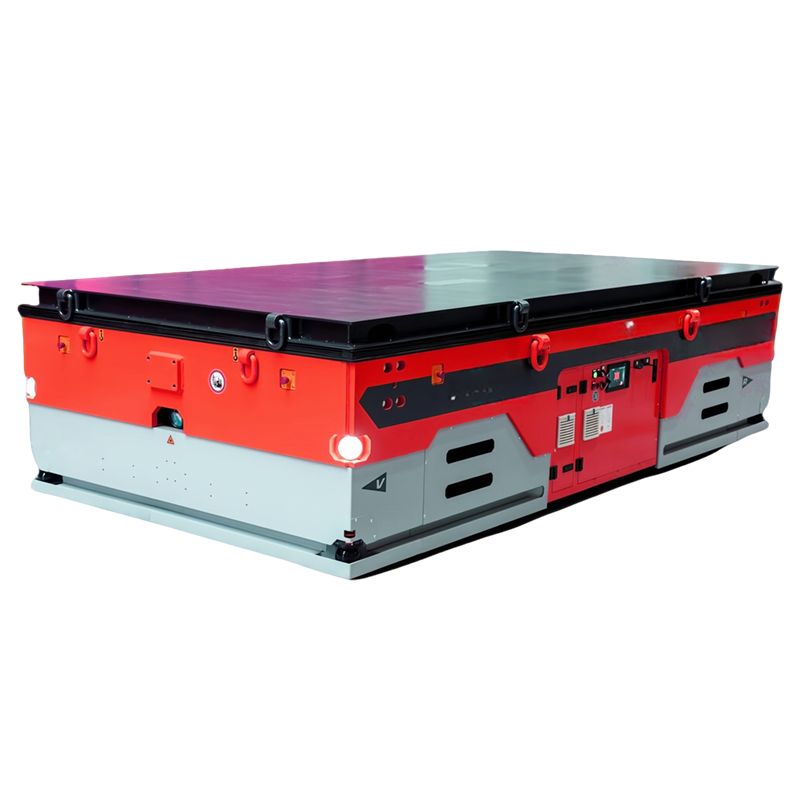
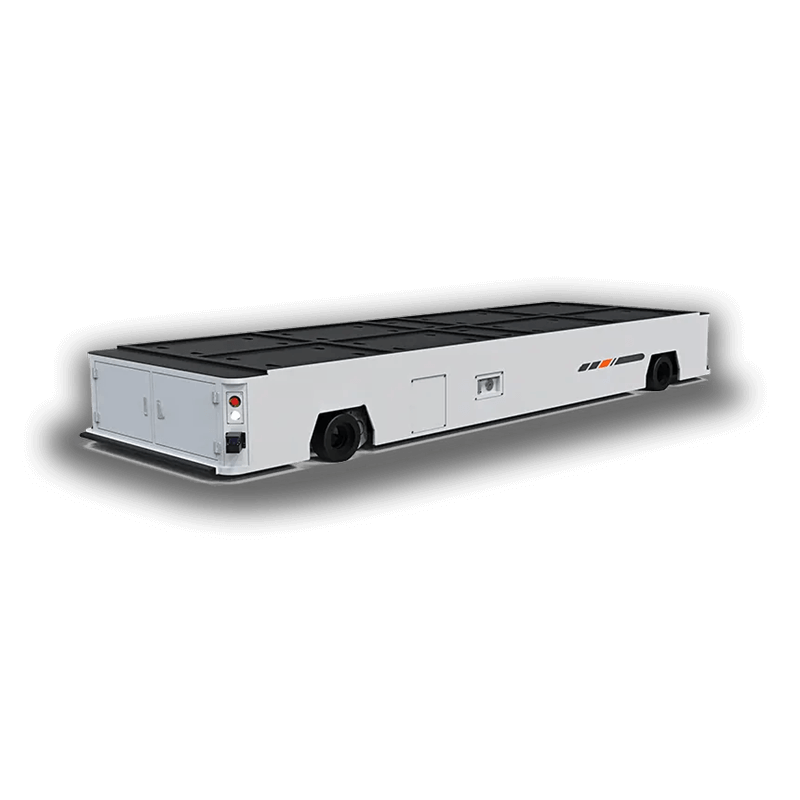
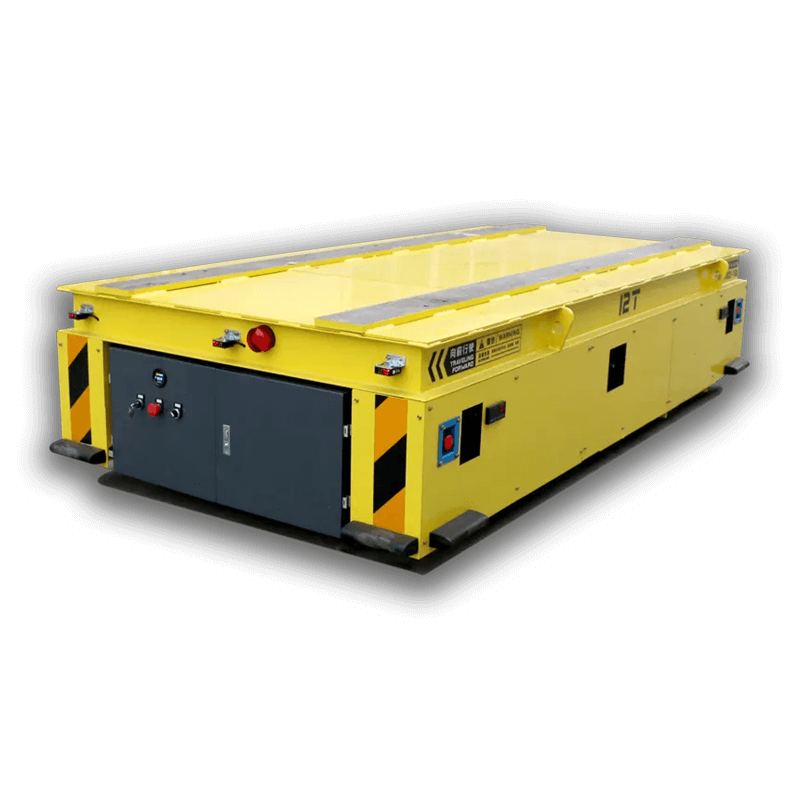
AOTENENG’s Heavy-Duty AGVs are engineered with:
Low center-of-gravity platforms
High-torque drive systems
Reinforced chassis
Programmable acceleration and braking curves
This ensures each movement—whether straight-line travel or tight turn—is consistent and repeatable, protecting both workers and high-value components.
Safety is one of the strongest arguments for replacing forklift-heavy operations.
Forklift-related problems in automotive and fabrication plants include:
Collisions in blind corners
Load drops during emergency braking
Operator fatigue
Visibility challenges with oversized parts
Human error during tight maneuvering
Heavy-Duty AGVs eliminate these risks by using:
Multi-zone LiDAR
Ultrasonic side sensors
Emergency bumper detection
Speed limiting in congested areas
Automated stop logic
The standardized motion paths dramatically reduce the likelihood of incidents, especially during heavy mold or die transfer.
Automotive plants rely heavily on takt-time precision. Delayed die delivery to a press line or slow movement between fabrication stations can cause:
Downstream bottlenecks
Equipment idle time
Increased labor dependencies
Heavy-Duty AGVs operate with:
Scheduled route planning
Exact travel times
Route repeatability
Automatic prioritization when integrated with the production system
AOTENENG’s AGVs can be synchronized with stamping presses, welding cells, machining centers, or assembly lines, helping maintain steady takt times without relying on manual coordination.
Although cranes and forklifts are widely used, they come with long-term costs:
Operator training & certification
High maintenance on hydraulic systems
Safety-related downtime
Accidents that damage molds, tools, or equipment
Fuel consumption or frequent battery replacement
Heavy-Duty AGVs reduce these expenses through:
Electric drive systems with low maintenance
Zero operator cost
Predictable energy consumption
Reduced unplanned downtime
Fewer accidents and damaged tooling
For large plants operating three shifts, the total cost advantage becomes substantial over years of operation.
Automotive and metal fabrication layouts evolve frequently due to:
New vehicle models
Production capacity upgrades
Workshop expansion
Tooling changes
Overhead conveyors and hard-wired automation cannot adapt quickly.
AGVs, however, provide:
Reconfigurable routes
Software-based path updates
Compatibility with new stations
Expandable fleets for increased throughput
AOTENENG offers magnetic, QR, and hybrid navigation to support both stable long-term routes and reconfigurable layouts.
Both automotive and metal fabrication plants rely on complex, non-standard materials. Standard pallets are the minority; large assemblies and molds dominate the workflow.
AOTENENG supports industry-adapted platforms such as:
Mold and die-locating fixtures
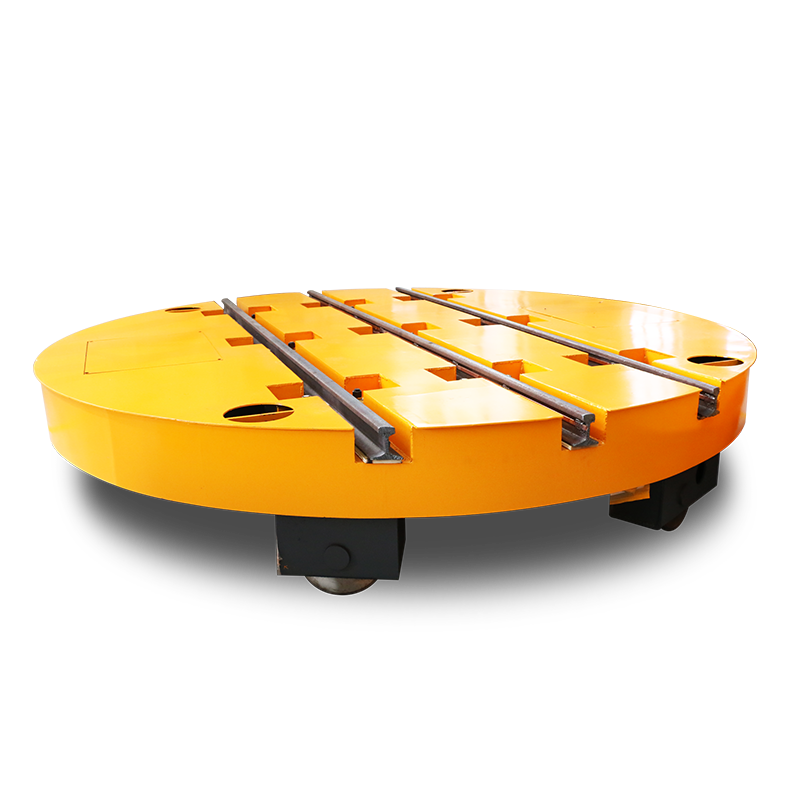
Motorized turntables
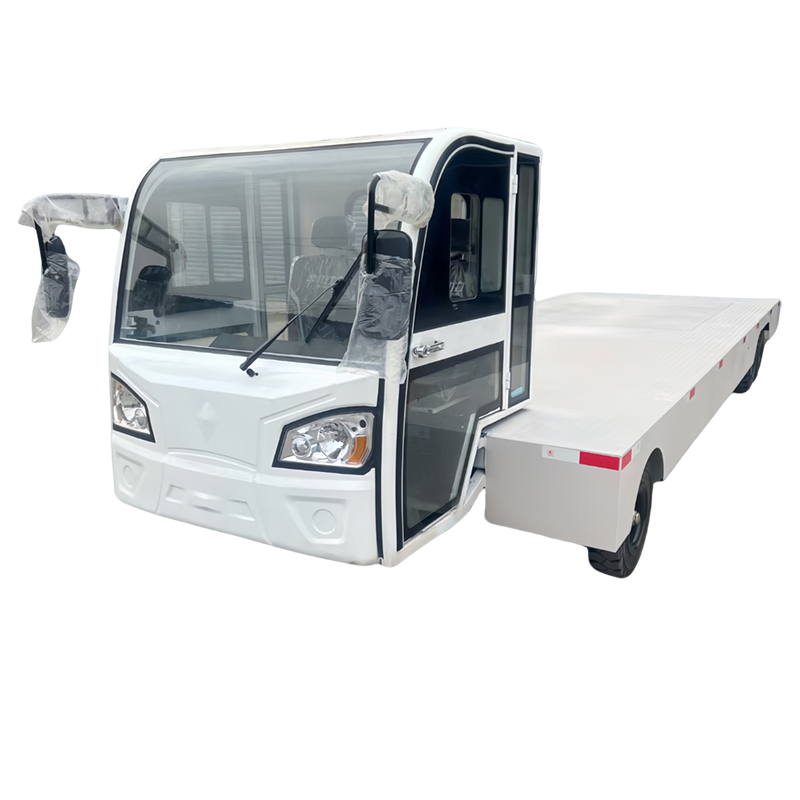
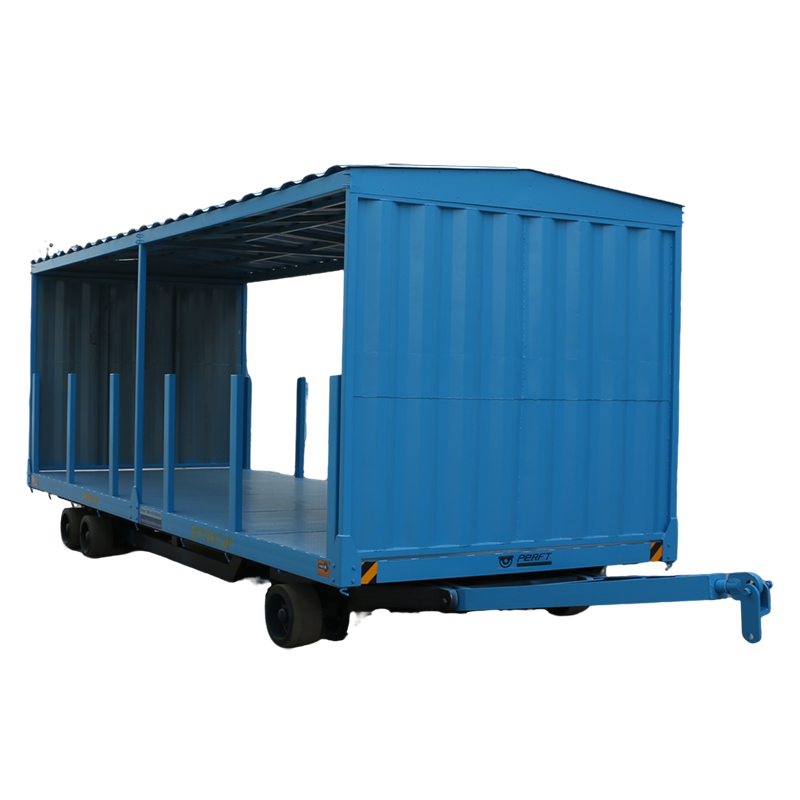
Overlength flatbeds
Scissor- or hydraulic-lift platforms
Coil saddles for steel-roll transport
Tooling-specific brackets and adapters
These customizations ensure the AGV fits seamlessly into existing workflow requirements.
Large automotive plants often operate multiple AGVs simultaneously.
AOTENENG’s fleet system enables:
Real-time traffic control
Battery and system health monitoring
Remote fault diagnosis
Task allocation and load balancing
Full data logging for optimization
This improves transparency and allows plant engineers to make data-driven decisions to fine-tune logistics efficiency.
From stabilizing takt time to reducing accidents, Heavy-Duty AGVs provide a technological advantage that older manual transport solutions cannot match. As automotive and metal fabrication industries continue moving toward fully automated production ecosystems, the demand for multi-ton AGVs will only increase.
AOTENENG delivers heavy-load AGV systems engineered for structural durability, navigation reliability, and industrial-scale performance—making them a strategic upgrade for facilities ready to modernize.
You have questions, comments or general inquiries? We value your suggestions. Drop us a line! Fill the form below just to say hi or to send us any questions or comments you might have.