
 English
 简体中文
简体中文How Conveyor AGVs Integrate With MES/WMS

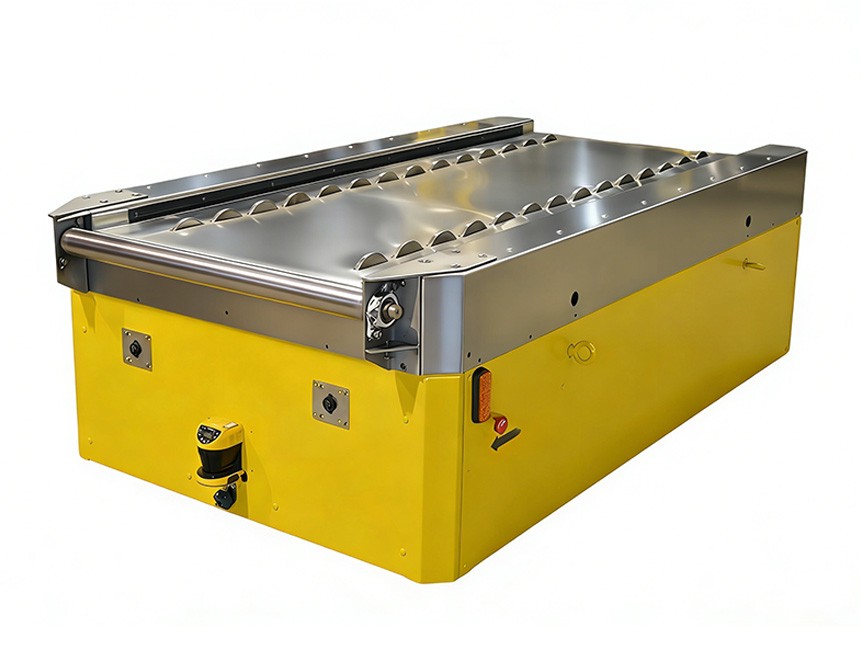
Modern factories increasingly rely on digital systems to manage production, inventory, and logistics. However, even the most advanced MES (Manufacturing Execution System) or WMS (Warehouse Management System) cannot reach full efficiency if material movement still depends on manual labor. This is where Conveyor AGVs become a critical link, bridging digital workflows with physical material flow.
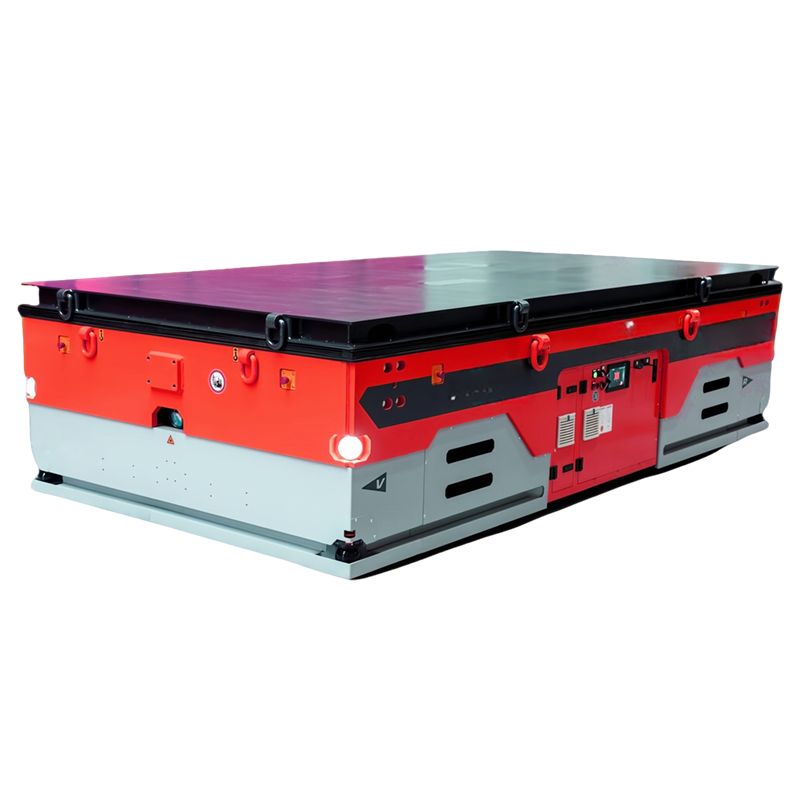
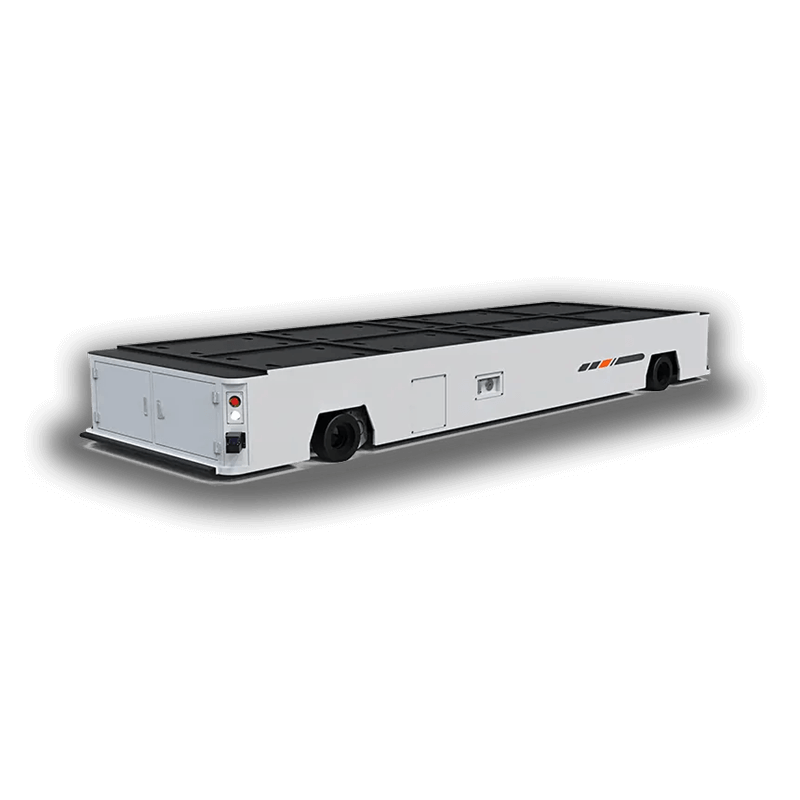
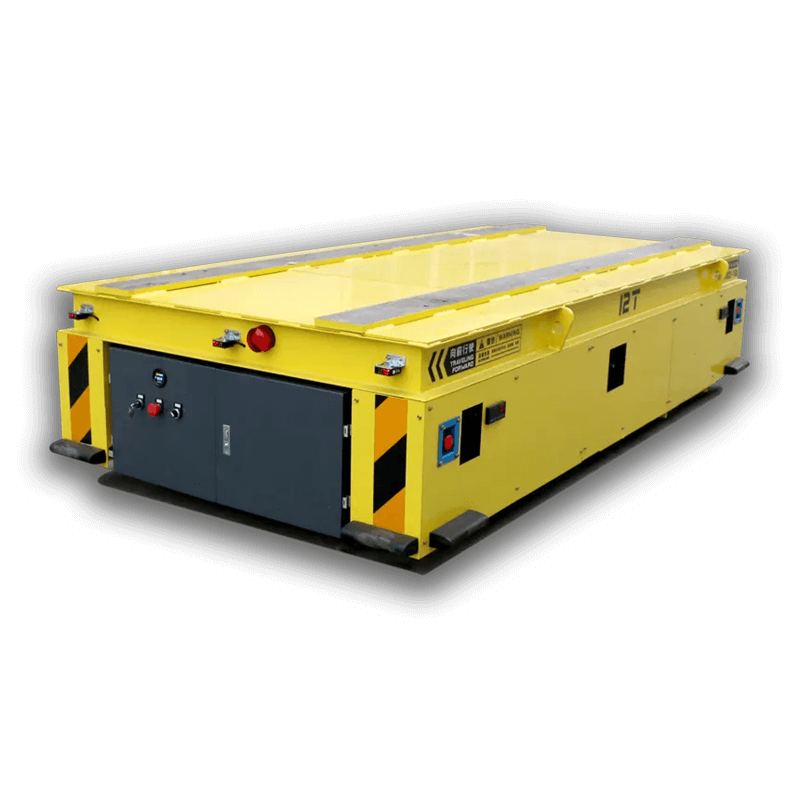
AOTENENG Conveyor AGVs are built for deep integration with MES/WMS platforms, enabling a fully automated, data-driven distribution system across the factory floor.
MES and WMS decide what needs to move—but they cannot move materials themselves.
Without automation, factories rely on workers or forklifts to execute system instructions, leading to delays, inconsistencies, and miscommunication.
Conveyor AGVs change this completely.
They transform digital task orders into real-time, physical actions, ensuring materials arrive exactly when and where the system schedules them.
(Specs can be customized based on workflow requirements)
| Item | Specification |
|---|---|
| Product Type | Conveyor Automated Guided Vehicle (AGV) |
| Primary Function | Automated material transport with built-in conveyor |
| Conveyor Types | Roller conveyor / Belt conveyor / Chain conveyor |
| Load Capacity | From bins & cartons to pallet-level loads |
| Transfer Method | Automatic loading & unloading (hands-free) |
| Docking Accuracy | ±10 mm |
| Navigation Options | Laser SLAM / QR-guided / Hybrid |
| Travel Speed | Adjustable to match production takt time |
| Operation Mode | Fully automated, multi-shift capable |
| Power Supply | Battery powered |
| Charging Options | Fast charging / Automatic docking / Battery swap |
| Control System | Industrial PLC-based control |
| System Integration | MES / WMS / PLC / Robotic cells |
| Safety System | 360° LiDAR, obstacle detection, speed zoning |
| Warning Devices | Audible alarms & LED indicators |
| Operating Environment | Production lines, warehouses, cleanrooms |
| Customization | Conveyor type, size, layers, load handling |
| Typical Applications | Assembly, packaging, sorting, line-side transfer |
When integrated with MES/WMS, the AGV receives instructions automatically:
move bins to the next assembly station
deliver components to packaging
return empty totes
transfer finished goods to outbound staging
Tasks are assigned instantly based on system logic—no manual job scheduling required.
This creates a closed-loop workflow where the AGV becomes an extension of the software system.
Unlike traditional AGVs, Conveyor AGVs do not require operators to load or unload materials.
The built-in conveyor enables:
automatic receiving from conveyor lines
automatic delivery to robotic cells
smooth handoff to machines or workstations
reversible loading/unloading when needed
MES/WMS simply issues a task, and the AGV completes the entire process without human involvement.
Every movement the AGV performs is sent back to the MES or WMS in real time:
task progress
current location
load status
remaining tasks
battery state
This gives managers full visibility and ensures accurate traceability across the entire production chain.
AGVs do more than follow pre-set paths.
When connected to higher-level systems, they follow routing decisions based on real-time conditions.
MES/WMS may direct the AGV to:
reroute to another line due to machine downtime
prioritize urgent orders
balance materials across multiple workstations
avoid congested areas
This dynamic behavior helps maintain continuity even in busy or changing environments.
Manufacturers often require specific material rules such as:
First-In-First-Out (FIFO)
First-In-Last-Out (FILO)
Batch sequencing
Time-controlled delivery
AOTENENG Conveyor AGVs follow these rules automatically because the MES/WMS handles the logic, and the AGV executes the movement precisely as instructed.
Many factories operate robotic arms, packaging machines, CNC cells, or assembly modules.
AOTENENG AGVs integrate through PLC or API communications, allowing:
robots to “call” an AGV when materials are low
machines to trigger pickup tasks after processing
synchronized loading for high-speed assembly
This machine-to-AGV communication ensures continuous production without idle time.
Manual handling introduces mistakes such as:
delivering materials to the wrong station
skipping steps
misreading system instructions
mixing work orders
With automated execution:
every task is logged
destinations are guaranteed accurate
timing follows system logic
no materials are misplaced
This dramatically improves production consistency and quality.
As production grows, AGV fleets can expand easily.
When MES/WMS integration is in place:
new AGVs join automatically
traffic loads are distributed evenly
workflows can be rearranged digitally
layout changes require minimal physical work
This gives factories flexibility for long-term smart manufacturing strategies.
AOTENENG provides:
standard API interfaces
industrial PLC connectivity
customized communication protocols
joint debugging with customer systems
robust data reporting and diagnostics
Our Conveyor AGVs operate reliably in 48+ countries, supporting deep integration with automation platforms across automotive, electronics, appliance, and warehouse industries.
You have questions, comments or general inquiries? We value your suggestions. Drop us a line! Fill the form below just to say hi or to send us any questions or comments you might have.