
 English
 简体中文
简体中文How Conveyor AGVs Streamline Continuous Material Flow

In modern manufacturing, production efficiency depends heavily on whether materials move smoothly between processes. Even the most advanced robotic arms or automated workstations cannot perform at full capacity if they must wait for components, trays, or parts to arrive. This is why continuous material flow—without delays, inconsistencies, or manual interruptions—has become a core requirement for high-performance factories.
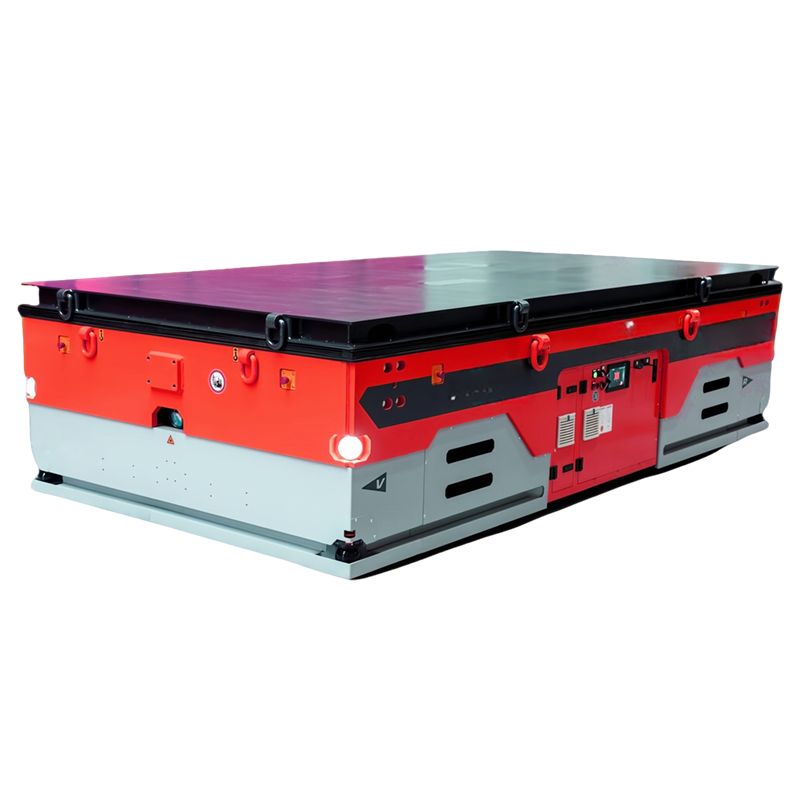
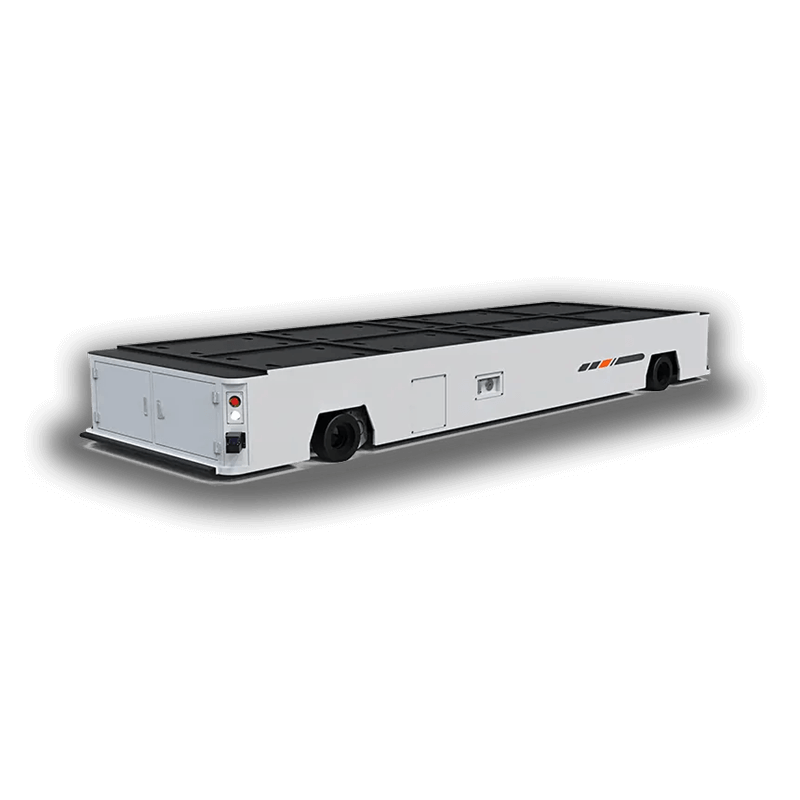
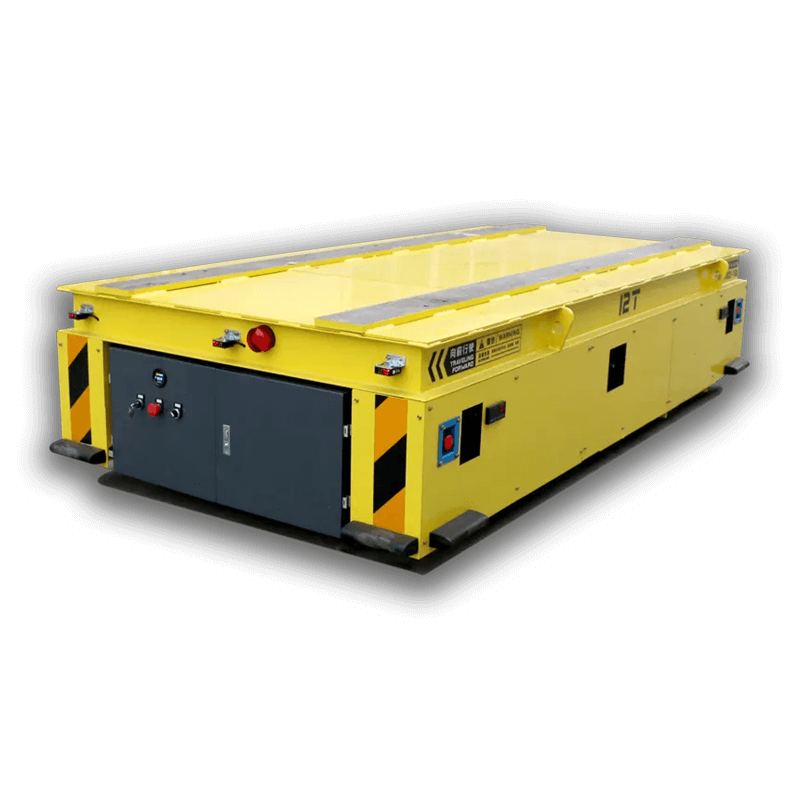
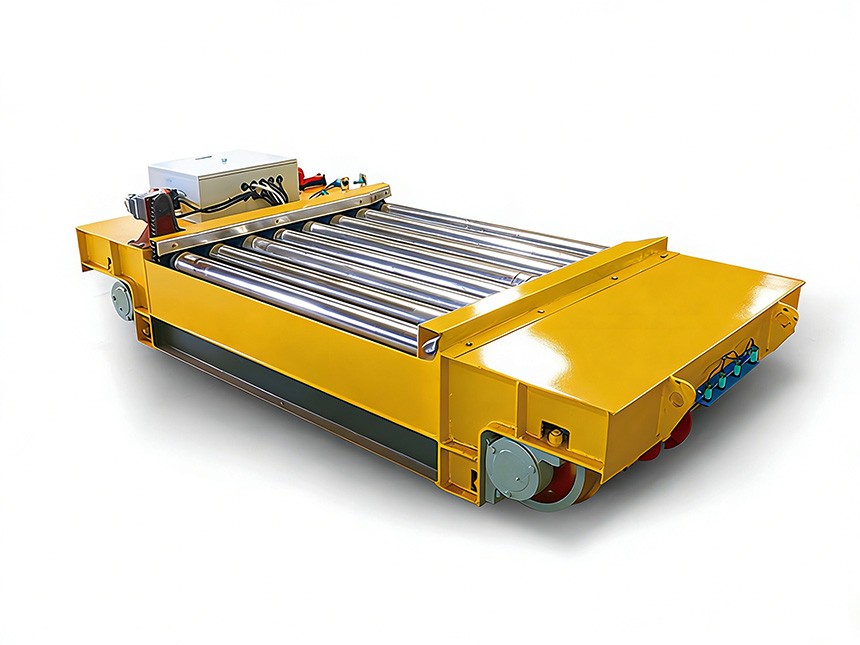
Conveyor AGVs are one of the most effective tools for achieving this goal. By automating both the transportation and the handoff of materials, they enable seamless flow from loading to unloading across every workstation, conveyor, or robotic cell. AOTENENG’s Conveyor AGV systems are engineered for precision, reliability, and round-the-clock operation, making them ideal for industries where timing and consistency are critical.
Traditional material movement requires workers to manually place items on carts or conveyors. This slows down production and increases the risk of:
Misalignment
Physical strain
Process variations
Damaged components
Workflow interruptions
With a Conveyor AGV, the loading phase becomes fully automated.
The AGV moves itself precisely to the pickup location.
Docking sensors ensure accurate alignment with conveyors, machines, or robotic stations.
The built-in conveyor automatically receives materials without human involvement.
Loading height and timing remain perfectly consistent.
This eliminates the chance of human error and ensures every process starts exactly as planned.
(Specs can be customized based on workflow requirements)
| Item | Specification |
|---|---|
| Product Type | Conveyor Automated Guided Vehicle (AGV) |
| Primary Function | Automated material transport with built-in conveyor |
| Conveyor Types | Roller conveyor / Belt conveyor / Chain conveyor |
| Load Capacity | From bins & cartons to pallet-level loads |
| Transfer Method | Automatic loading & unloading (hands-free) |
| Docking Accuracy | ±10 mm |
| Navigation Options | Laser SLAM / QR-guided / Hybrid |
| Travel Speed | Adjustable to match production takt time |
| Operation Mode | Fully automated, multi-shift capable |
| Power Supply | Battery powered |
| Charging Options | Fast charging / Automatic docking / Battery swap |
| Control System | Industrial PLC-based control |
| System Integration | MES / WMS / PLC / Robotic cells |
| Safety System | 360° LiDAR, obstacle detection, speed zoning |
| Warning Devices | Audible alarms & LED indicators |
| Operating Environment | Production lines, warehouses, cleanrooms |
| Customization | Conveyor type, size, layers, load handling |
| Typical Applications | Assembly, packaging, sorting, line-side transfer |
Once loaded, the AGV begins its autonomous transport cycle. Unlike forklifts or manual carts, Conveyor AGVs follow optimized paths that reduce congestion and maintain safe movement throughout the factory.
reroute automatically if pathways are blocked
adjust speed zones in high-traffic areas
maintain safe distance from workers
coordinate with other AGVs to prevent queues
balance workflow between stations
This smart routing ensures materials arrive at the next step on time, every time, even in dynamic environments.
Unloading is where traditional methods struggle most—humans must align loads manually, and forklifts often place items inconsistently. These variations create inefficiencies downstream.
Conveyor AGVs, on the other hand, unload with millimeter-level accuracy.
automated bidirectional unloading
±10 mm docking precision
matched conveyor height for smooth transfer
controlled acceleration/deceleration
error-free alignment with machines or stations
The result is a perfectly consistent handoff that keeps robotic cells, assembly stations, and packaging machines operating at full speed.
By automating loading, transport, and unloading, Conveyor AGVs create an uninterrupted flow of materials:
no waiting for workers
no delays from forklifts being busy
no inconsistent transport timing
no manual handling errors
no equipment idle time
Factories experience smoother production cycles, improved takt time, and optimized cycle rates across the entire line.
To maintain continuous flow, Conveyor AGVs must be fully integrated into the plant’s digital ecosystem. AOTENENG Conveyor AGVs connect directly with:
MES
WMS
PLCs
Robotic cells
Fixed conveyor systems
These integrations enable:
automatic task assignments
real-time material tracking
synchronized loading/unloading
dynamic workflow adjustments
This makes Conveyor AGVs a natural fit for high-speed manufacturing and Industry 4.0 environments.
By automating all three stages—loading, transport, unloading—AOTENENG Conveyor AGVs significantly reduce reliance on manual labor. Operators no longer need to move materials or monitor carts.
fewer repetitive handling tasks
consistent workflow without fatigue or errors
improved worker safety
lower labor costs
higher production output
In many factories, a small fleet of Conveyor AGVs can replace dozens of manual transfers per hour.
AOTENENG Conveyor AGVs are used in:
automotive parts assembly
electronics and semiconductors
appliance manufacturing
food and beverage packaging
e-commerce distribution
cleanroom processes
chemical and pharmaceutical plants
Any industry requiring precise, continuous, and automated material movement will benefit from this technology.
AOTENENG provides:
10+ years of automation engineering experience
globally exported systems in 48+ countries
custom conveyor types (roller, belt, chain, multi-layer)
robust steel chassis and durable industrial components
real-time integration with factory IT systems
high docking accuracy for machine-to-machine flow
strong after-sales and technical support
Our Conveyor AGVs are built to operate 24/7 with strong performance, low maintenance, and high long-term reliability.
You have questions, comments or general inquiries? We value your suggestions. Drop us a line! Fill the form below just to say hi or to send us any questions or comments you might have.