
 English
 简体中文
简体中文How to Choose the Right Heavy-Duty AGV for Multi-Ton Industrial Transport

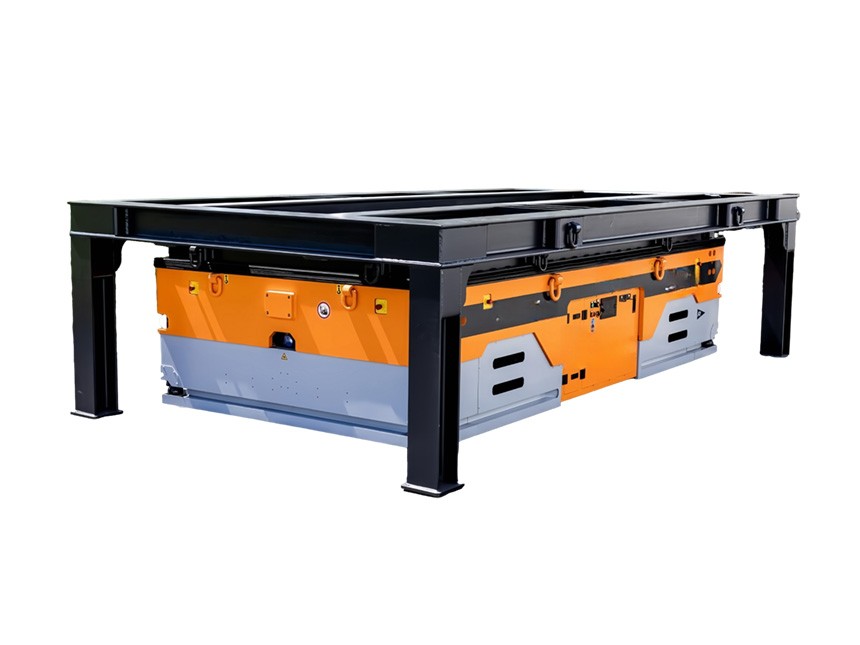
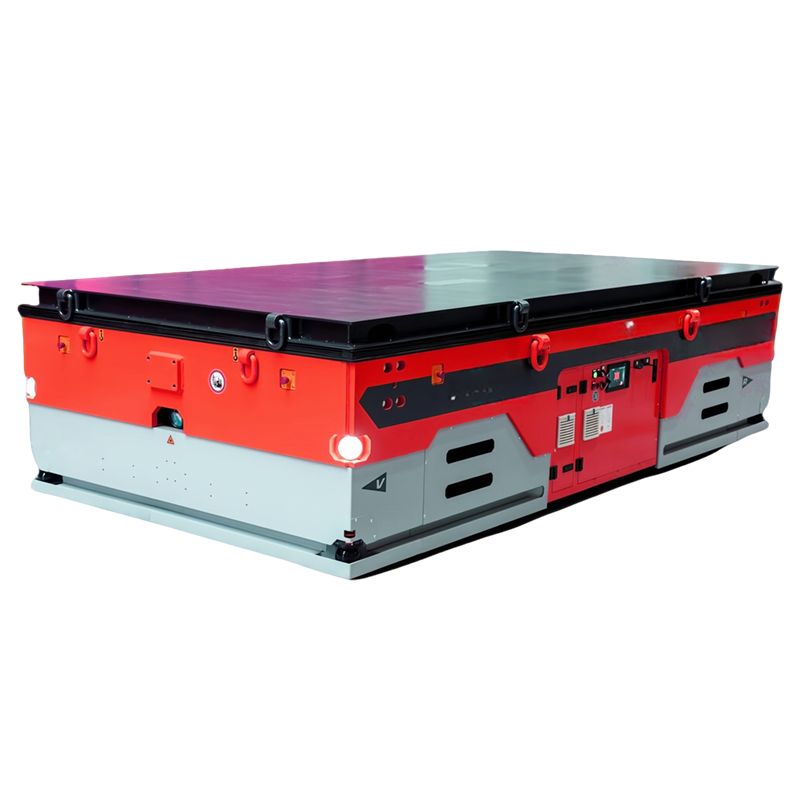
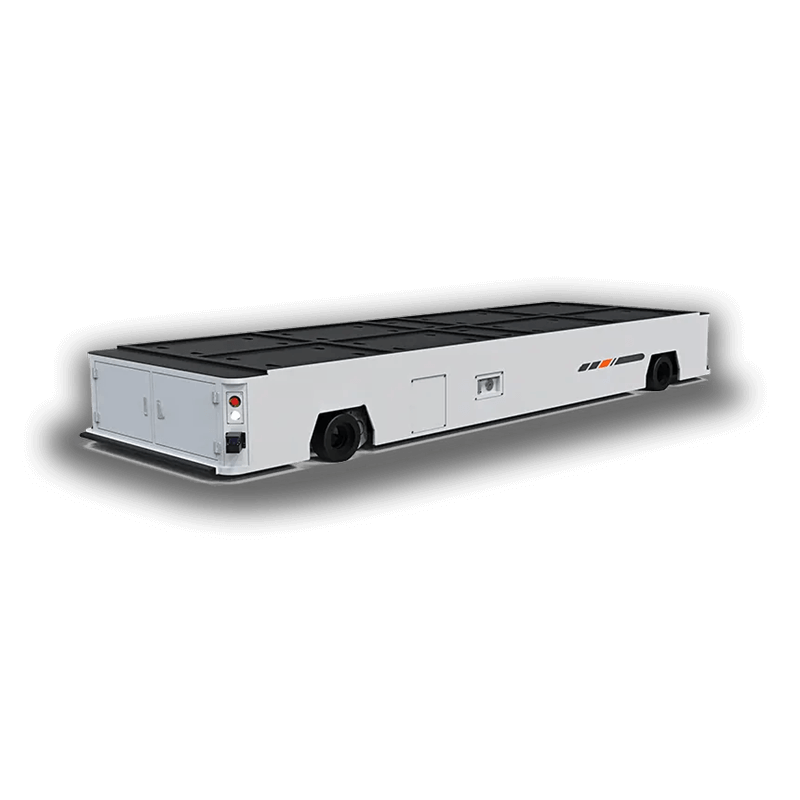
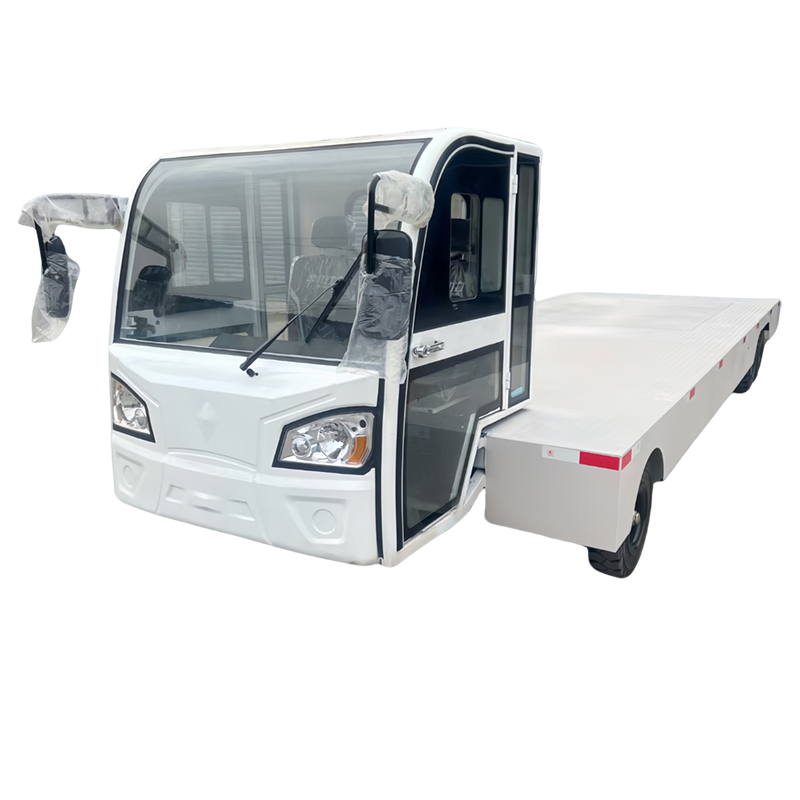
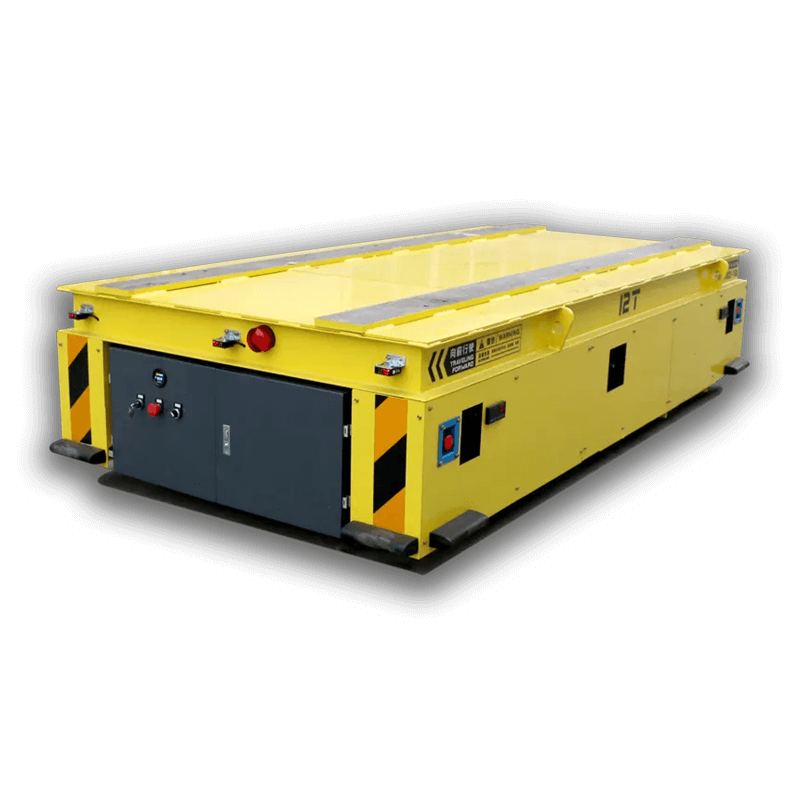
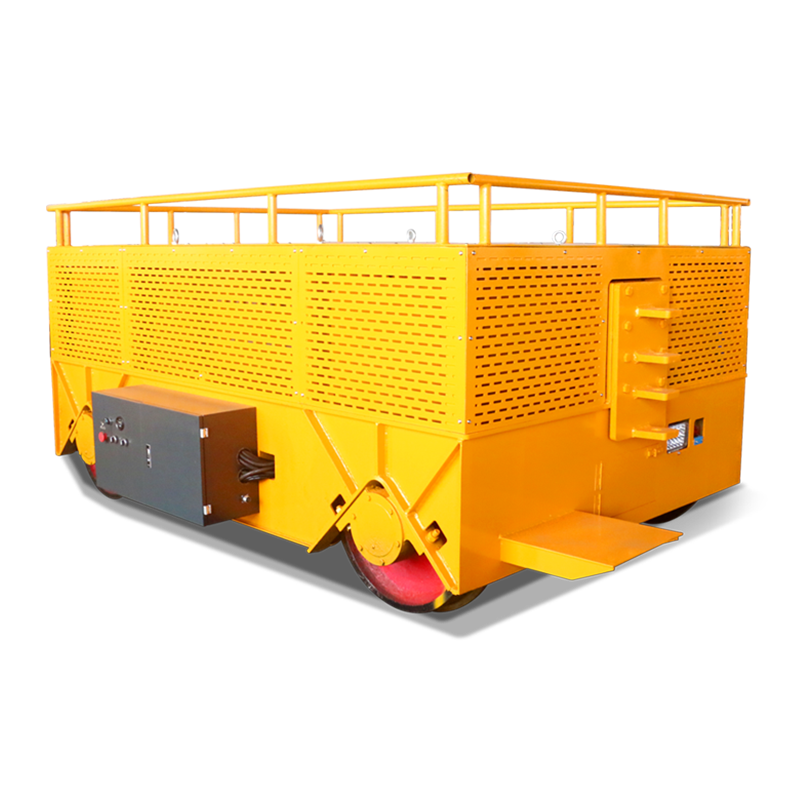
Selecting a Heavy-Duty AGV is very different from choosing a light-load transport robot. When the job involves multi-ton steel components, oversized molds, large tooling fixtures, or heavy assemblies, the stakes are higher—and so are the requirements for safety, stability, precision, and structural strength. The right AGV can enhance production flow and eliminate hazardous manual handling. The wrong one can become a bottleneck.
This guide explains the key factors manufacturers should consider when choosing a Heavy-Duty AGV for demanding industrial operations.
(Values can be customized based on project requirements)
| Category | Specification |
|---|---|
| Product Type | Heavy-Duty Automated Guided Vehicle (AGV) |
| Rated Load Capacity | 10–40 tons (higher capacity available by request) |
| Recommended Load Margin | 125–150% of actual working load |
| Load Characteristics | Centered / Offset / Uneven / High center-of-gravity loads |
| Vehicle Structure | Reinforced welded steel frame, fatigue-resistant design |
| Platform Options | Flat deck / Hydraulic lift / Scissor lift / Turntable / Coil saddle / Custom fixtures |
| Platform Size | Customized to load dimensions |
| Drive System | High-torque electric drive with industrial reducer |
| Acceleration & Braking | Smooth-start & soft-stop logic for load stability |
| Navigation Methods | Magnetic tape / QR code (vision) / Hybrid navigation |
| Positioning Accuracy | ±5–10 mm |
| Travel Speed (Loaded) | 0–30 m/min (adjustable) |
| Turning Capability | Straight travel / Steering / Zero-radius (design dependent) |
| Power Supply Options | Lithium battery / Lead-acid battery |
| Charging Methods | Manual charging / Fast charging / Automatic docking |
| Battery Management | Optional quick-swap battery drawer |
| Operating Time | Suitable for single-shift to 24/7 multi-shift operation |
| Safety Sensors | Front & rear LiDAR, side ultrasonic detection |
| Safety Functions | Obstacle detection, emergency stop bumpers, speed zoning |
| Warning System | Audible alarms, LED warning lights |
| Control System | PLC-based industrial control |
| System Integration | MES / WMS / Production line synchronization |
| Fleet Management | Multi-AGV coordination supported |
| Operating Environment | Indoor heavy industrial environments |
| Special Versions | Heat-resistant / Explosion-proof / Workshop-specific |
| Customization Scope | Load capacity, platform type, navigation, safety level |
When evaluating AGVs, most buyers begin with load capacity. But for heavy manufacturing, this number alone isn’t enough. A reliable Heavy-Duty AGV must handle:
Maximum load
Offset or uneven loads
Dynamic load impact during starting and braking
Long-term structural fatigue
AOTENENG heavy-load AGVs use reinforced welded steel frames and high-torque drive modules to ensure stability even when carrying large molds, steel plates, or components with high center-of-gravity variations.
If your load is 20 tons, selecting a “20-ton” AGV may not be enough—most factories choose a 25–30 ton rated platform for safety, durability, and peak load reserves.
Different factories require different navigation approaches:
Best for stable, fixed routes such as steel machining lines or mold transfer paths.
Ideal for areas where frequent layout adjustments occur.
Recommended for complicated routes, multi-station operations, long-distance corridors, or mixed environments.
AOTENENG offers all three, allowing factories to match navigation to production style rather than forcing the facility to adapt to the AGV.
Heavy-duty loads come in many shapes and sizes. A standard flat deck isn’t always the ideal choice.
AOTENENG provides multiple options:
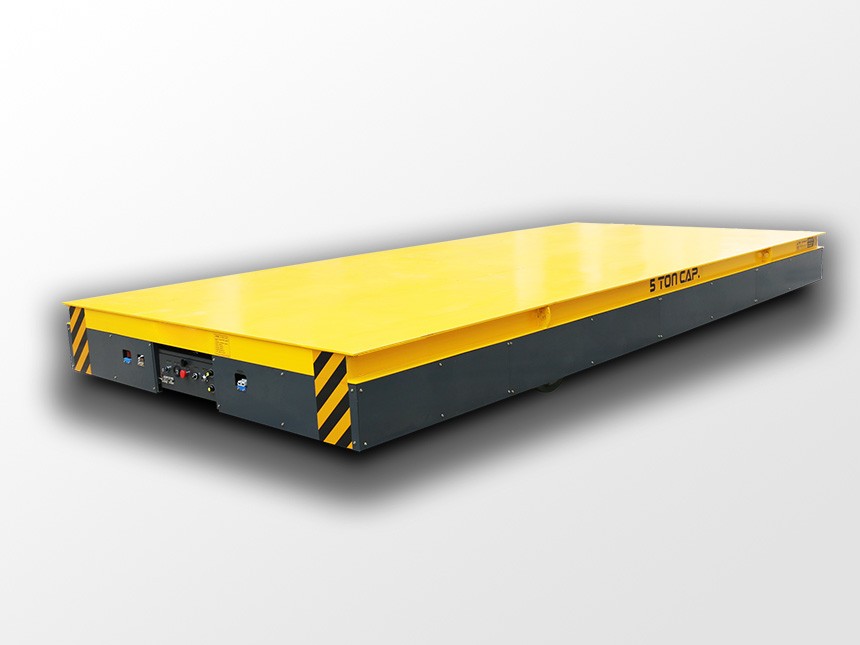
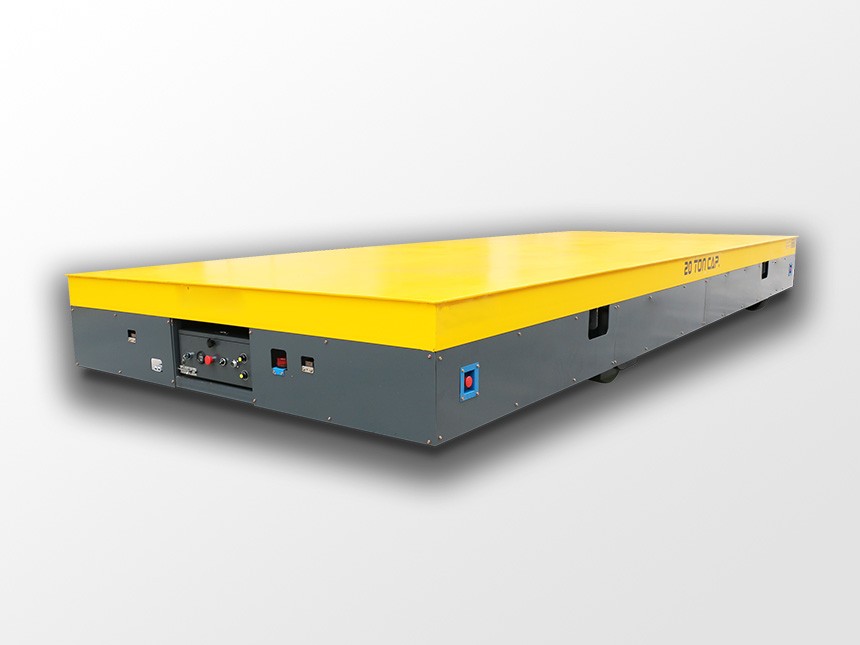
Flatbed deck → For steel plates, assemblies, large parts
Hydraulic or scissor lift → For die loading, press feeding, and line-side transfer
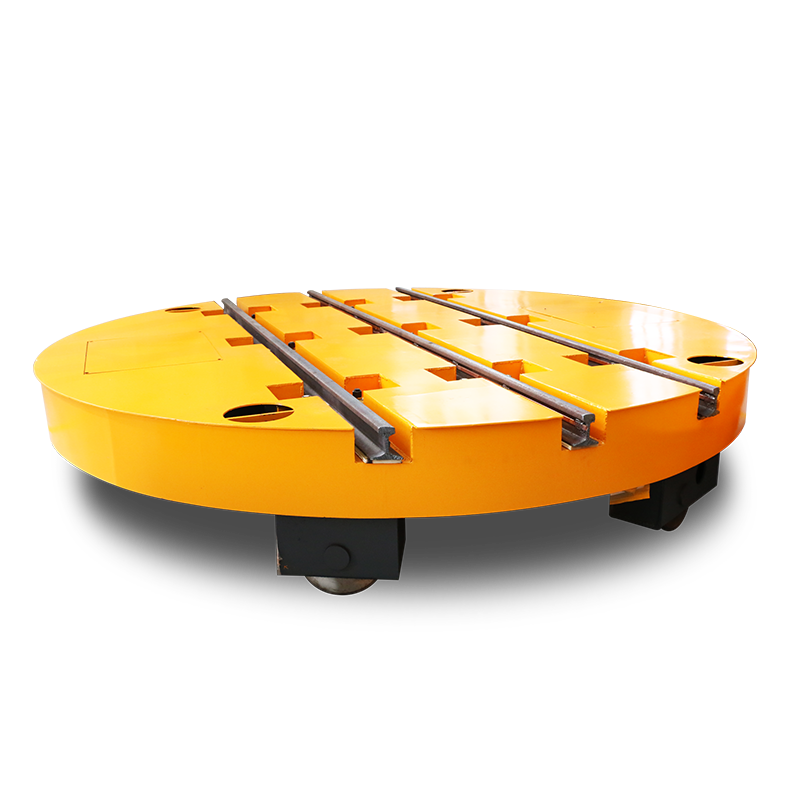
Motorized turntable → For mold orientation or multi-direction alignment
Coil saddles → For round or cylindrical steel materials
Custom fixtures → For dies, tooling, molds, wind-energy components
Choosing the right platform reduces load shift, improves safety, and shortens handling time.
Heavy-duty applications typically require long operating hours. The AGV’s performance directly depends on its power system.
AOTENENG supports:
High-capacity lithium packs
Industrial lead-acid options
Fast charging
Automatic docking charging
Swappable battery drawers for multi-shift factories
If your factory runs continuous machining or casting, a quick-swap or auto-dock system can prevent production delays.
Moving a 10-ton or 40-ton load requires strong, layered safety protection. Look for:
Front & rear LiDAR scanning
Side ultrasonic detection
Emergency-stop bumpers
Auto-speed reduction in narrow zones
Smooth-start and soft-stop logic to prevent sudden shifts
AOTENENG equips all heavy-load AGVs with multi-level protection to reduce risk in complex industrial environments.
A Heavy-Duty AGV should strengthen your workflow, not disrupt it. Key questions include:
Can it be routed through your current aisles?
Does it integrate with your production schedule?
Can it synchronize with cranes, presses, machining centers, or welding lines?
Is fleet management available for multi-AGV coordination?
AOTENENG provides integration support to map AGVs into existing workflows with minimal change to infrastructure.
Factories handling heavy materials rarely use identical load shapes or processes. Off-the-shelf AGVs may not solve every problem.
AOTENENG specializes in custom heavy-duty solutions, including:
Extended wheelbases
Special lifting heights
Extreme load capacities
Overlength platforms
Heat-resistant or workshop-specific designs
Explosion-proof configurations
These customizations allow the AGV to function as a built-for-purpose tool, not just a general transporter.
Choosing the correct Heavy-Duty AGV is a long-term investment in safety, efficiency, and production stability. By considering load characteristics, navigation needs, platform style, power requirements, safety layers, and workflow integration, factories can significantly improve their handling of oversized or high-value materials.
AOTENENG’s Heavy-Duty AGV solutions are engineered specifically for these environments—offering the structural strength, reliability, and customization needed to support today’s industrial demands.
You have questions, comments or general inquiries? We value your suggestions. Drop us a line! Fill the form below just to say hi or to send us any questions or comments you might have.