
 English
 简体中文
简体中文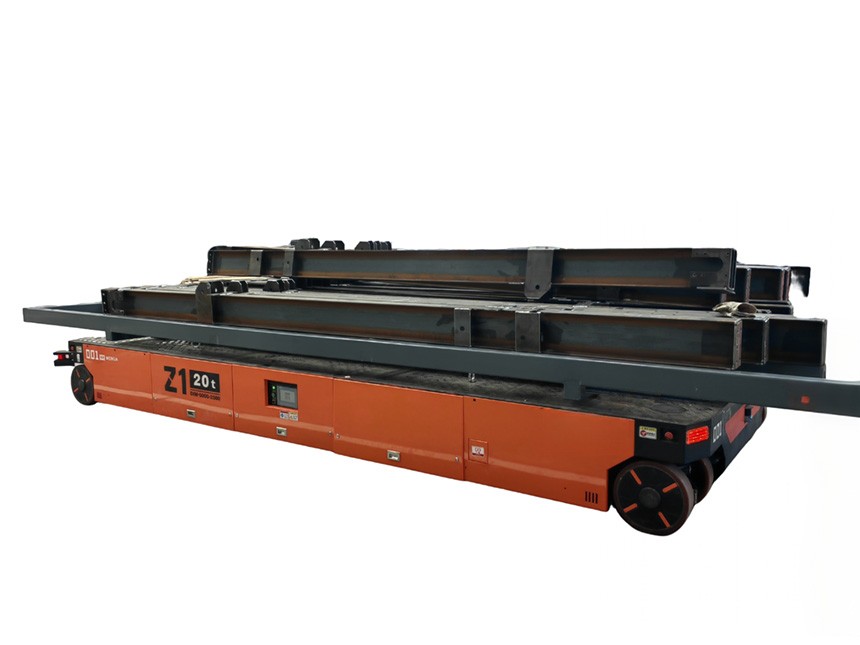
Safety Is Not an Add-On Feature
Moving heavy equipment indoors is one of the most hazardous activities in any industrial facility. The combination of large masses, confined spaces, limited visibility, and the presence of personnel creates a risk environment where serious injuries and significant property damage can occur in seconds. The safety of heavy equipment movement is not achieved by adding safety features to an otherwise unsafe process; it is achieved by designing the entire process—planning, equipment selection, operator training, and operational procedures—around the fundamental requirement that no person should be injured and no equipment should be damaged during transport operations. This integrated approach to safety is the only approach that produces consistent, reliable safety performance.
Planning the Move: The Foundation of Safe Transport
Every safe heavy equipment move begins with planning. The planning process identifies the hazards associated with the specific move, defines the controls that will mitigate those hazards, and establishes the procedures that will ensure the controls are implemented consistently. The planning process should address: the weight and dimensions of the equipment being moved; the route from origin to destination, including aisle widths, door clearances, floor load capacities, and overhead clearances; the environmental conditions along the route, including lighting, floor surface condition, and the presence of other personnel or equipment; and the equipment and personnel required to complete the move safely.
The route survey is a critical component of the planning process. The route must be walked and measured before the move, not assumed based on drawings or memory. Drawings may not reflect recent changes to the facility layout. Memory may not recall the low overhead clearance at a specific doorway or the uneven floor surface at a specific intersection. The route survey should document the minimum clearances at all points along the route, identify any hazards that cannot be eliminated, and define the controls that will be used to manage those hazards. A move that is planned based on an accurate route survey is significantly safer than a move that is planned based on assumptions.
Equipment Selection: Matching the Tool to the Task
The equipment used to move heavy equipment indoors must be matched to the specific requirements of the move. Using equipment that is undersized for the load creates a risk of equipment failure during the move. Using equipment that is oversized for the load may create maneuverability problems in confined spaces. Using equipment that is not designed for indoor use may create hazards from emissions, noise, or floor damage. The equipment selection process should evaluate: the load capacity of the transport equipment relative to the weight of the item being moved; the dimensional compatibility of the transport equipment with the route clearances; the maneuverability of the transport equipment in the confined spaces along the route; and the safety features of the transport equipment, including braking systems, load securing systems, and operator visibility.
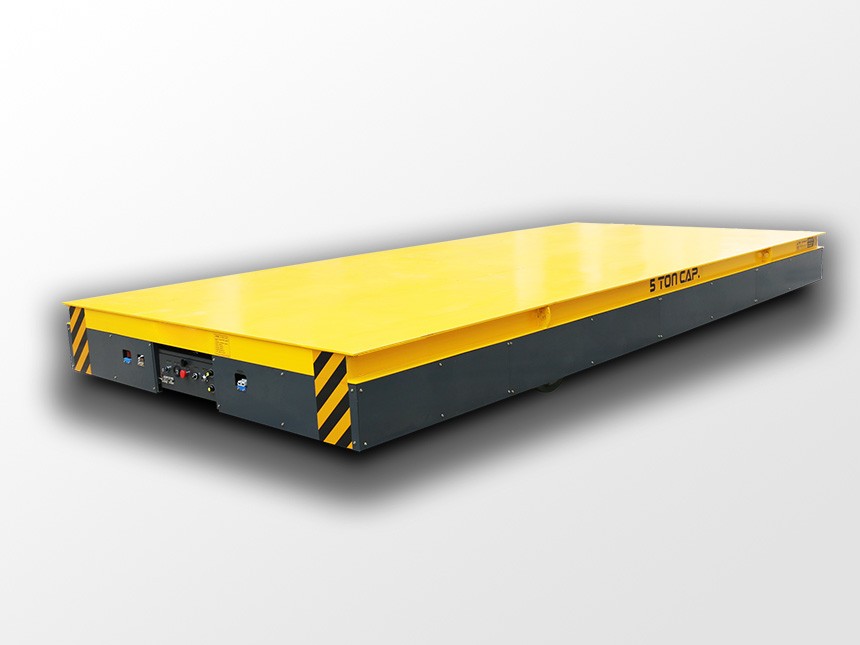
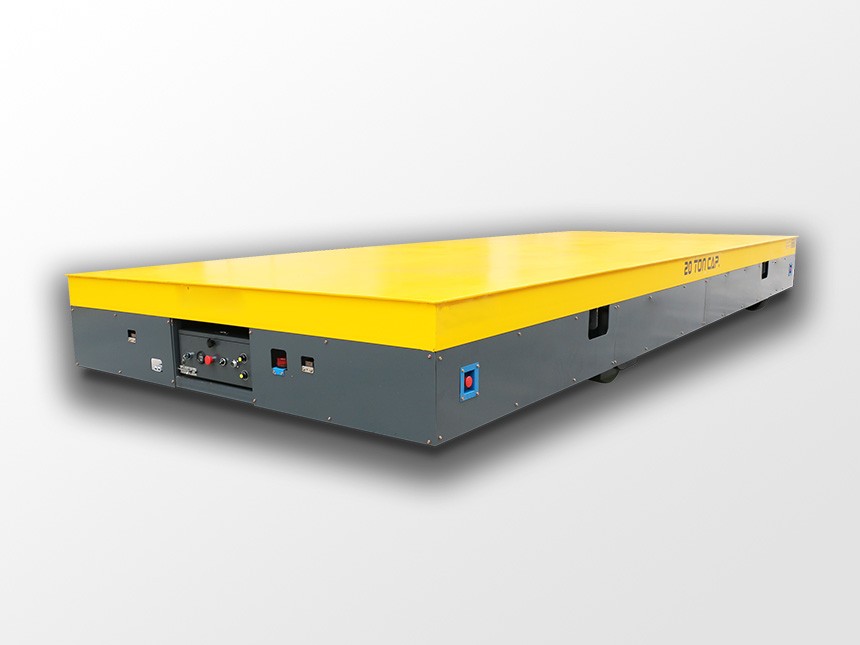
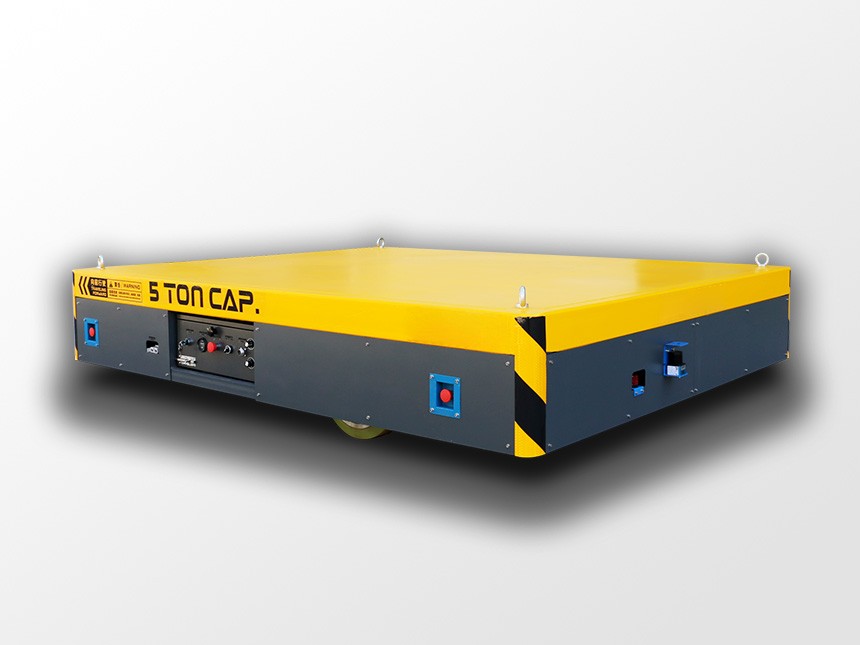
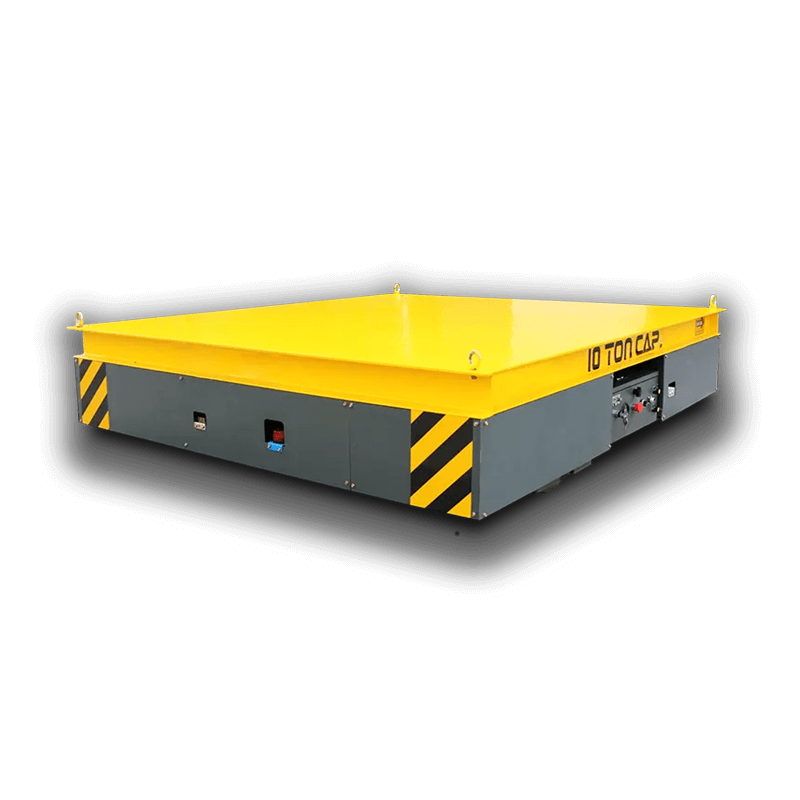
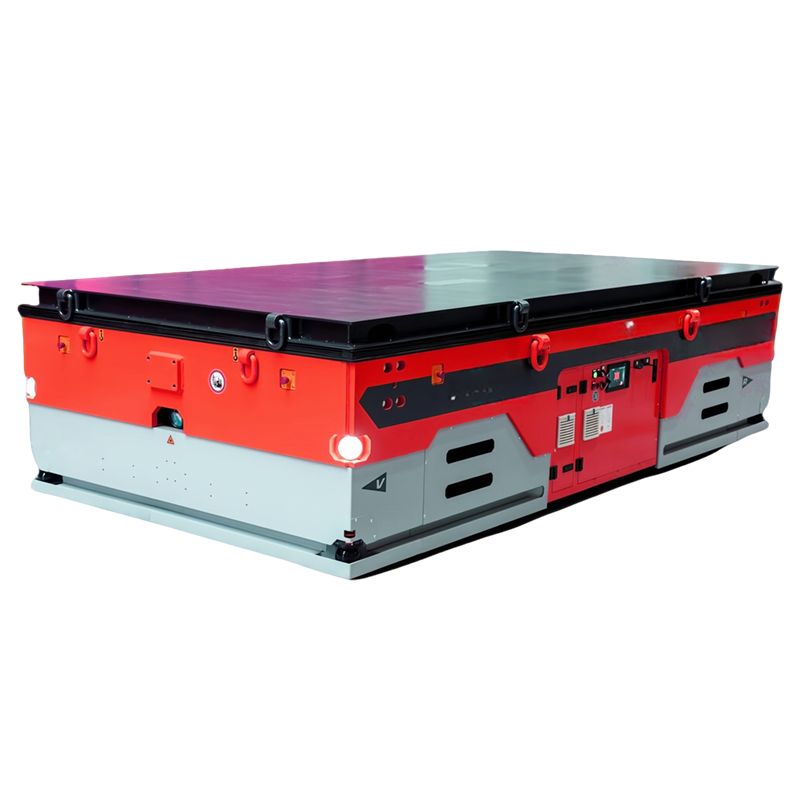
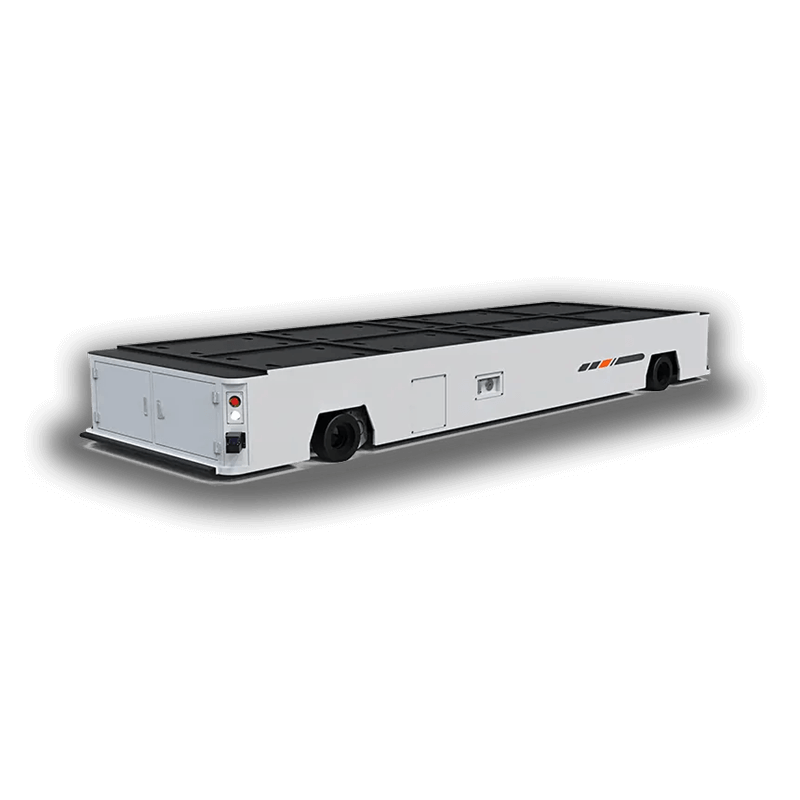
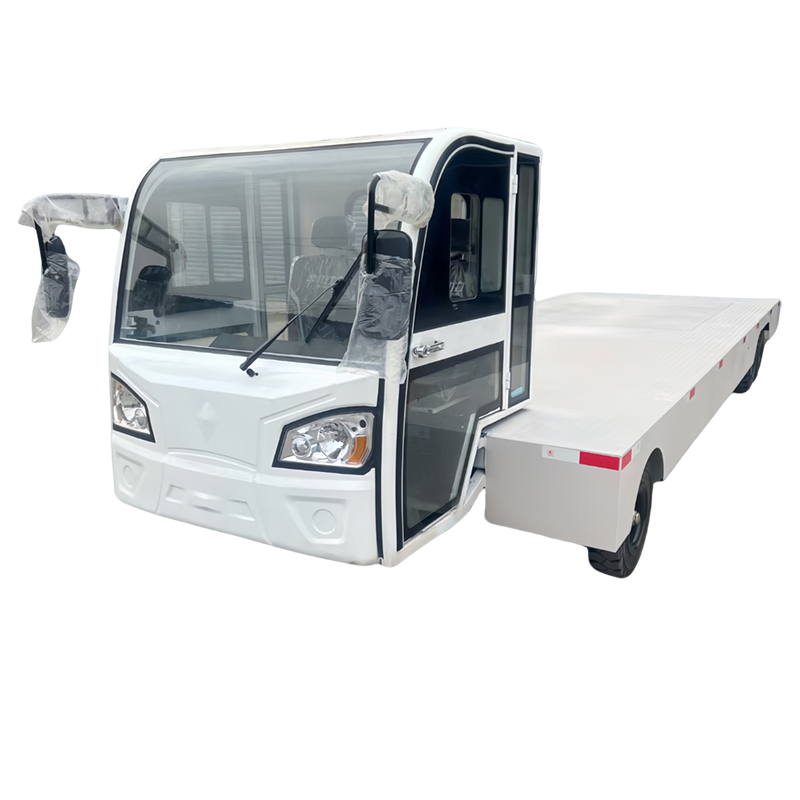
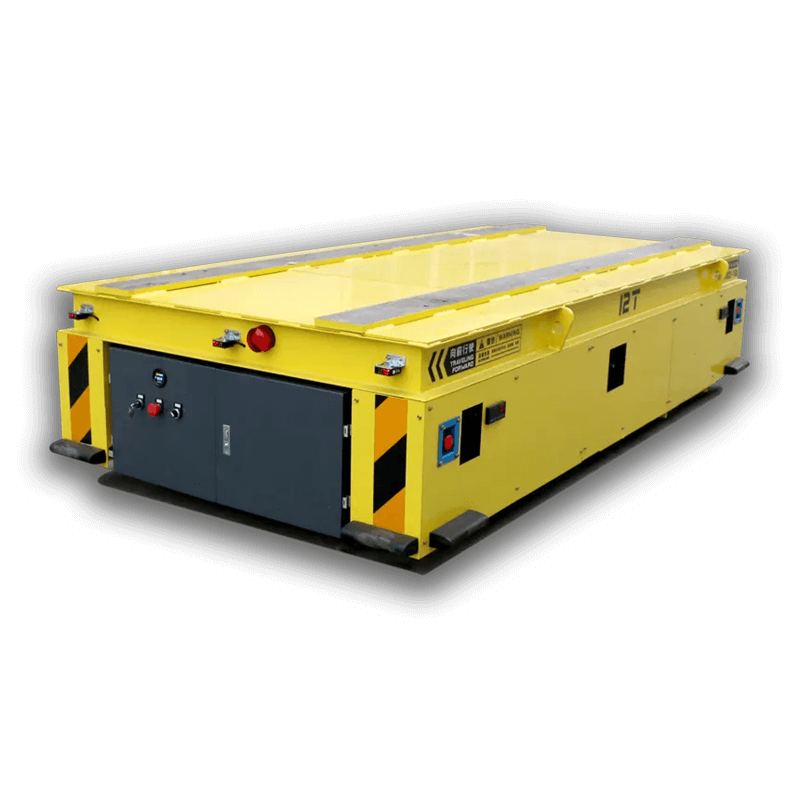
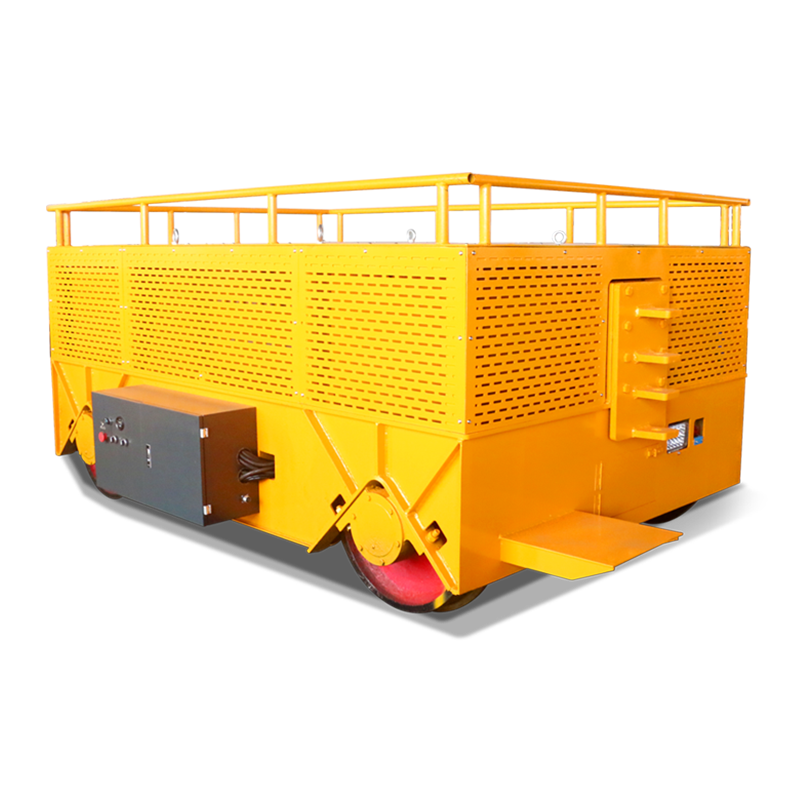
Electric flatbed carts are a common choice for indoor heavy equipment movement because they produce no emissions, operate quietly, and have safety features designed for indoor operation. But not all electric flatbed carts are equally suitable for all indoor heavy equipment moves. A cart designed for uniform loads on level floors may not be appropriate for concentrated loads or for routes with grades. A cart with a fixed deck height may not be appropriate for loading and unloading at different heights. The equipment selection must be specific to the move requirements, not generic to the equipment category.
Operator Training: The Human Factor in Safe Transport
The operator of the transport equipment is the most important safety component in the heavy equipment move. A well-trained operator can identify hazards, respond to unexpected conditions, and make decisions that prevent accidents. An untrained operator is a hazard, regardless of how safe the equipment and the planning may be. Operator training for heavy equipment movement should include: the specific hazards associated with the equipment being operated and the loads being moved; the proper operation of the transport equipment, including starting, stopping, turning, and grade negotiation; the proper use of load securing systems and the consequences of improper load securing; the communication protocols for coordinating with other personnel during the move; and the emergency procedures for responding to equipment failures, load shifts, or other unexpected events.
Training is not a one-time event. Operators should receive refresher training at regular intervals—typically annually—and should receive additional training when new equipment is introduced, when new hazards are identified, or when operational procedures change. The effectiveness of training should be verified through practical assessments that test the operator's ability to apply their knowledge in realistic scenarios. An operator who has passed a written test but cannot demonstrate safe operation in practice is not a trained operator.
Hazard Prevention: Eliminating Risks Before They Cause Harm
The most effective safety strategy is hazard prevention: eliminating hazards before they have the opportunity to cause harm. Hazard prevention for indoor heavy equipment movement includes: eliminating pedestrian traffic from the transport route during the move, either by scheduling the move during low-traffic periods or by establishing barriers and warning systems that prevent unauthorized access; ensuring adequate lighting along the entire route, including at turns, intersections, and loading/unloading areas; maintaining the floor surface in good condition, with repairs made promptly to address cracks, uneven surfaces, or debris that could affect transport stability; and securing the load to the transport equipment using methods that are appropriate for the load weight, the load geometry, and the transport conditions.
Hazard prevention also includes contingency planning for situations that cannot be fully controlled. What happens if the transport equipment fails mid-move? What happens if the load shifts during transport? What happens if a pedestrian enters the transport route unexpectedly? The contingency plans for these situations should be documented, communicated to all personnel involved in the move, and practiced through drills or simulations. A move that proceeds according to plan is safe. A move that encounters an unexpected condition without a contingency plan is an accident waiting to happen.
Regulatory Compliance: Meeting the Minimum Standard
Indoor heavy equipment movement is subject to regulatory requirements that establish minimum safety standards for equipment design, operator qualification, and operational procedures. These requirements vary by jurisdiction but typically include: equipment inspection and maintenance requirements; operator training and certification requirements; load securing requirements; and operational safety requirements, including speed limits, pedestrian separation, and communication protocols. Compliance with regulatory requirements is not optional, and facilities that fail to comply may face penalties, insurance consequences, and liability exposure.
Regulatory compliance should be viewed as a minimum standard, not as a target. A facility that meets all regulatory requirements but does not address application-specific hazards is not safe; it is merely compliant. The goal should be to exceed regulatory requirements by implementing safety practices that address the specific hazards of the facility's heavy equipment movement operations. This proactive approach to safety—identifying and controlling hazards beyond the regulatory minimum—is the approach that produces the best safety performance and the lowest risk of accidents.