
 English
 简体中文
简体中文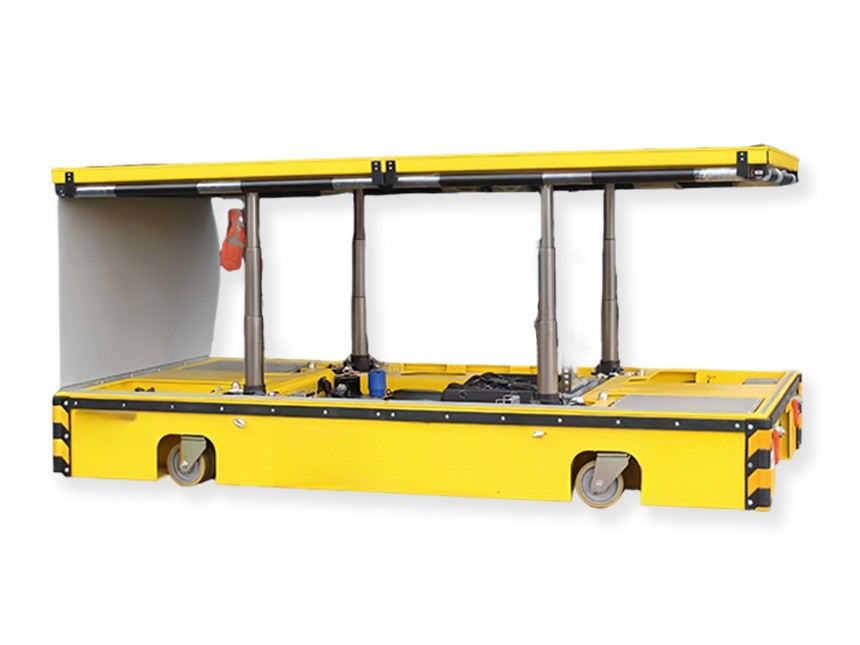
Moving Heavy Loads Without Cranes: Why Factories Are Looking Elsewhere
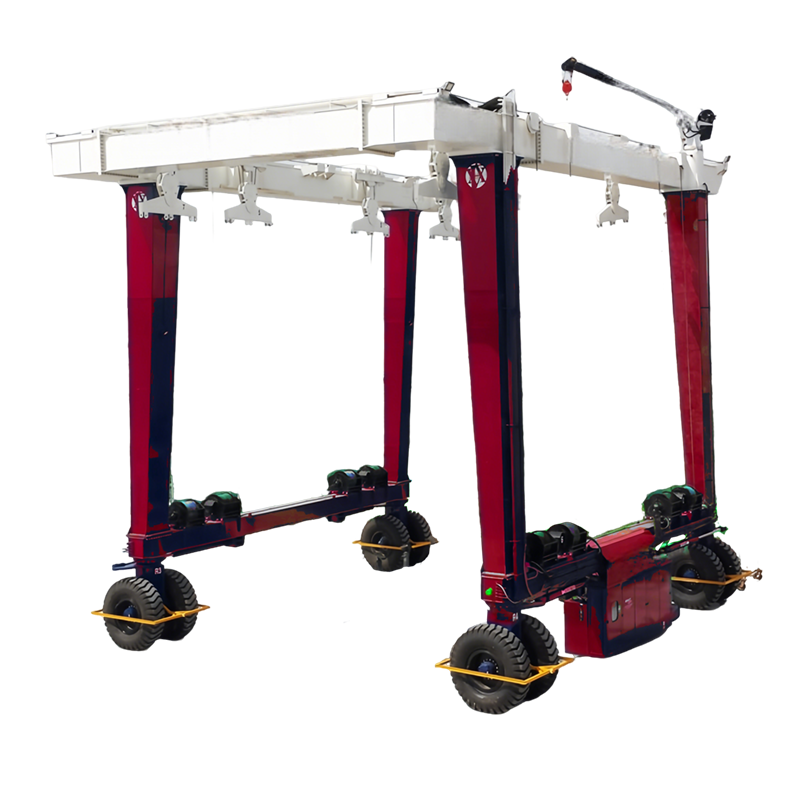
Cranes have been the default choice for heavy load movement in factories for decades. But here's the thing — they aren't always the best fit. Installation costs run high, they eat up vertical space, and once they're in place, your layout is basically locked. For many operations, especially those handling loads between 5 and 100 tons, there's a simpler way.
Electric transfer carts are stepping in where cranes fall short. No overhead structure. No complex rigging. Just a flat platform, a solid drive system, and the freedom to move heavy materials exactly where they need to go. Let's look at why this matters and how it works in practice.
The Problem with Crane-Only Thinking
Cranes make sense for vertical lifting and long-distance overhead travel. But for horizontal transport across a workshop floor? That's where the friction starts. You need dedicated operators, scheduled maintenance windows, and clear airspace. Change your production line layout, and the crane rail system may no longer fit.
Smaller factories — or those with low ceilings — often can't install cranes at all. Even when they can, the lead time for installation and the civil engineering work involved can stretch projects by months. Meanwhile, production needs to keep moving.
Then there's the safety angle. Crane operations involve suspended loads, which means any failure in lifting gear, rigging, or structural support carries serious risk. Ground-level transport eliminates that entirely.
How Electric Transfer Carts Fill the Gap
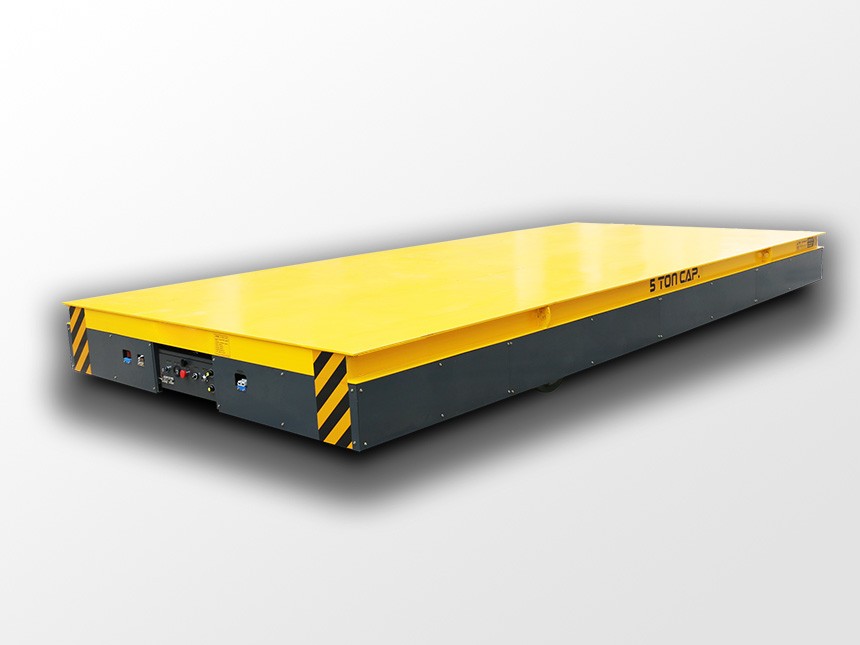
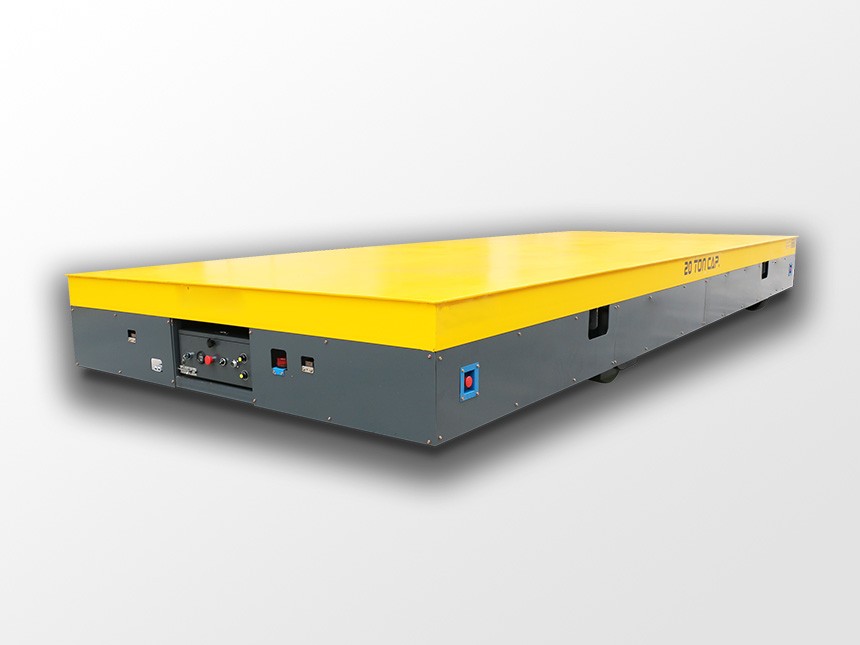
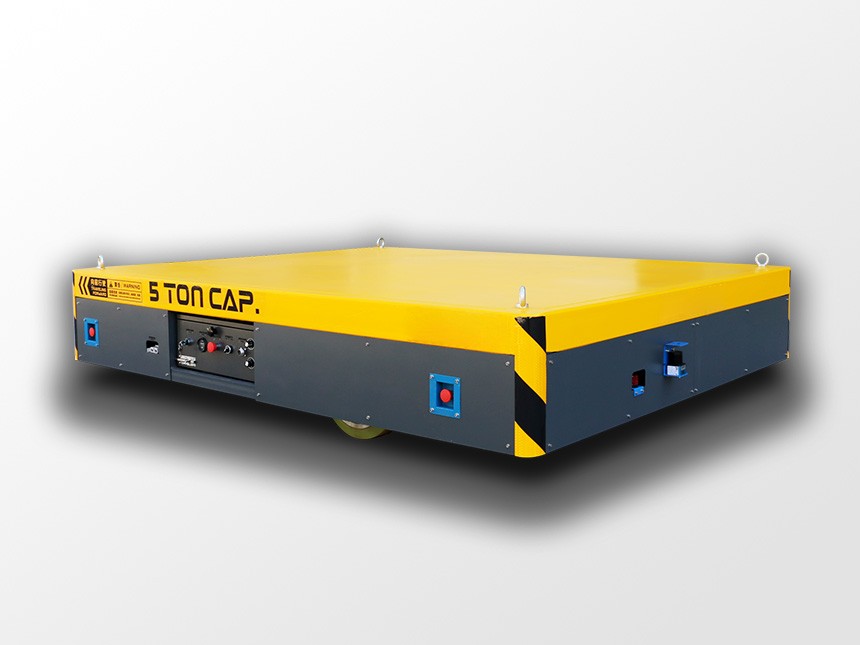
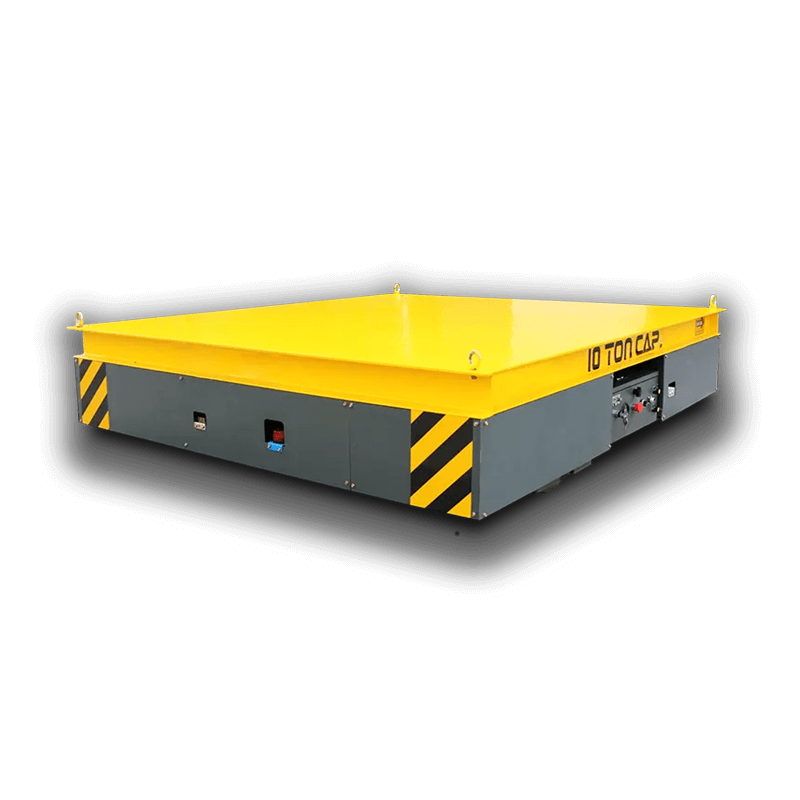
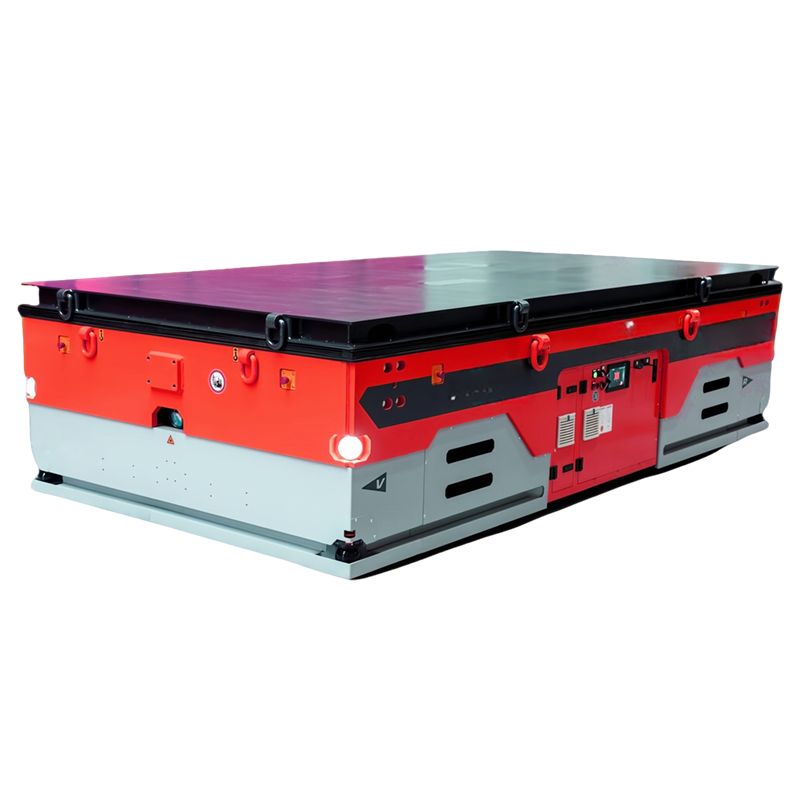
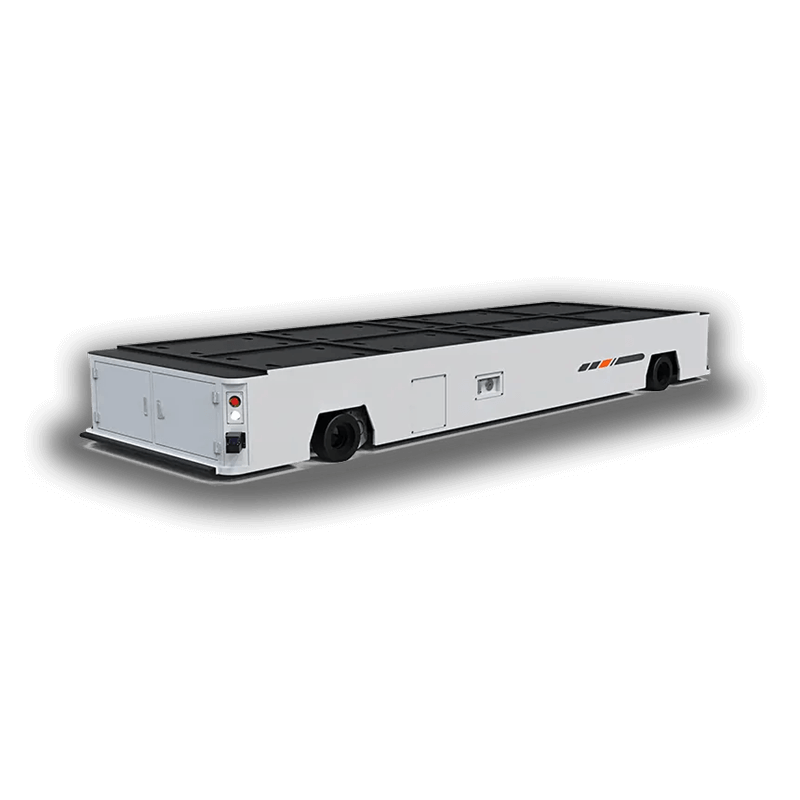
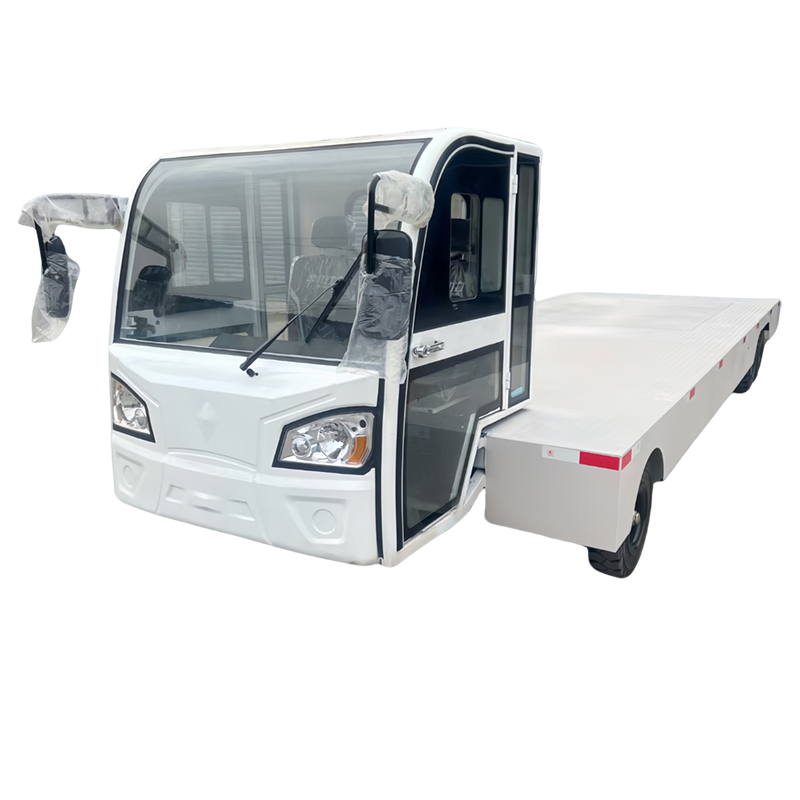
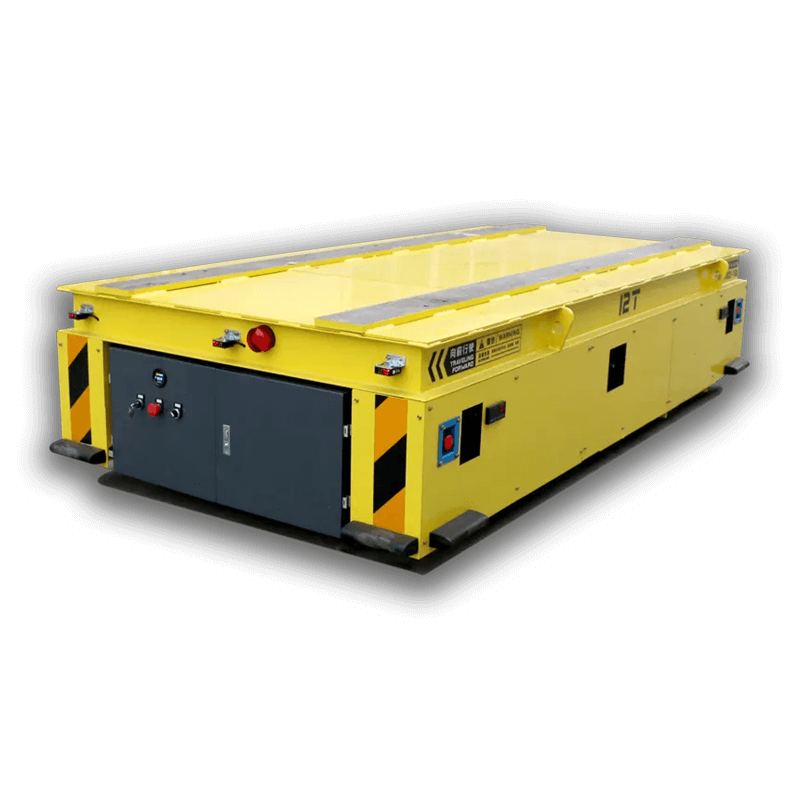
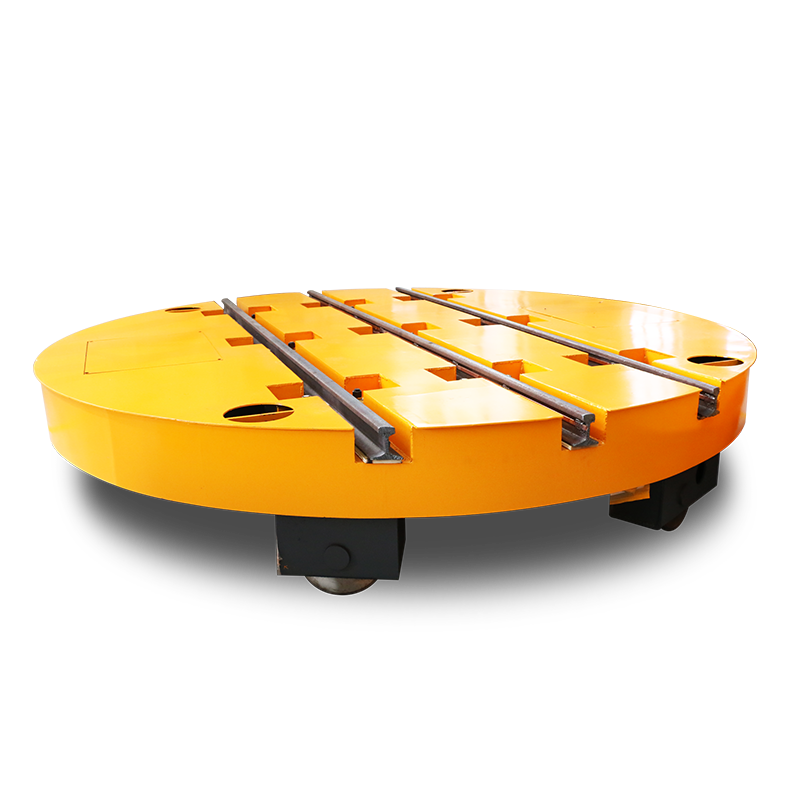
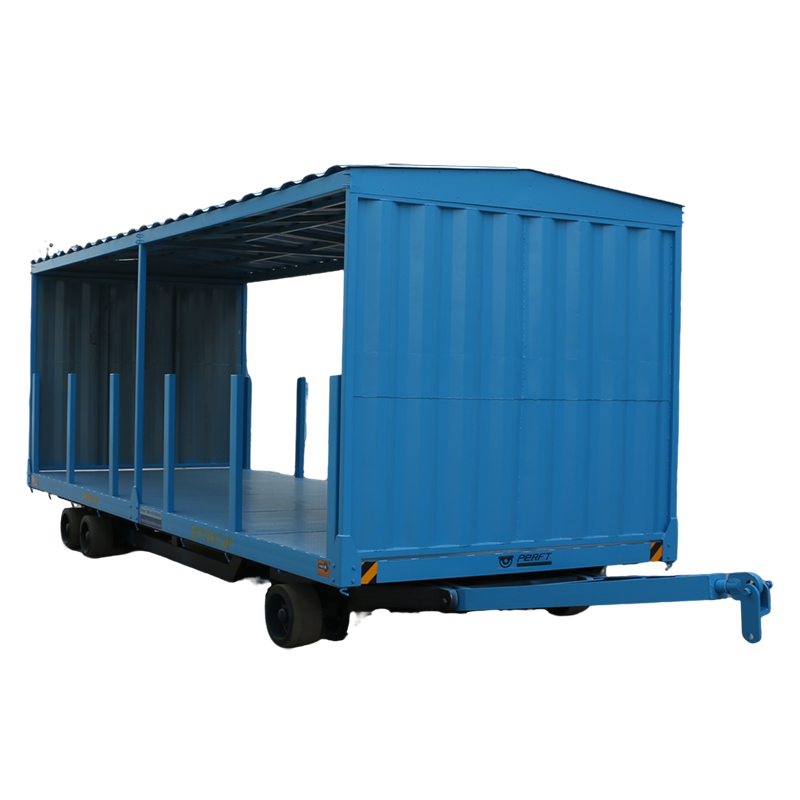
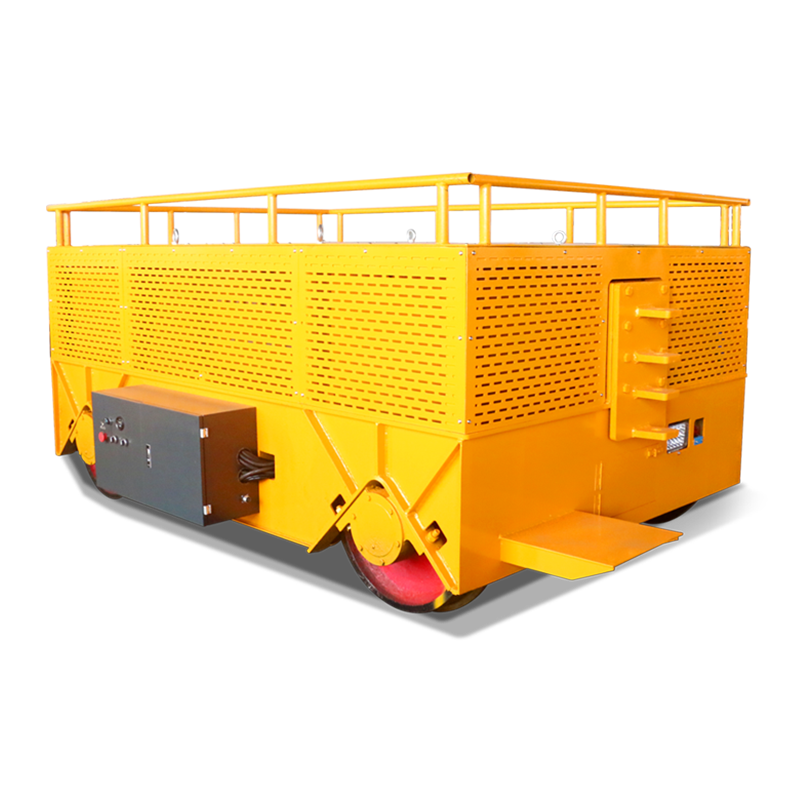
Electric flatbed carts are designed for exactly this kind of work. They sit at ground level, carry the load directly on the platform, and move under their own power. No overhead equipment. No suspended loads. No need for certified crane operators.
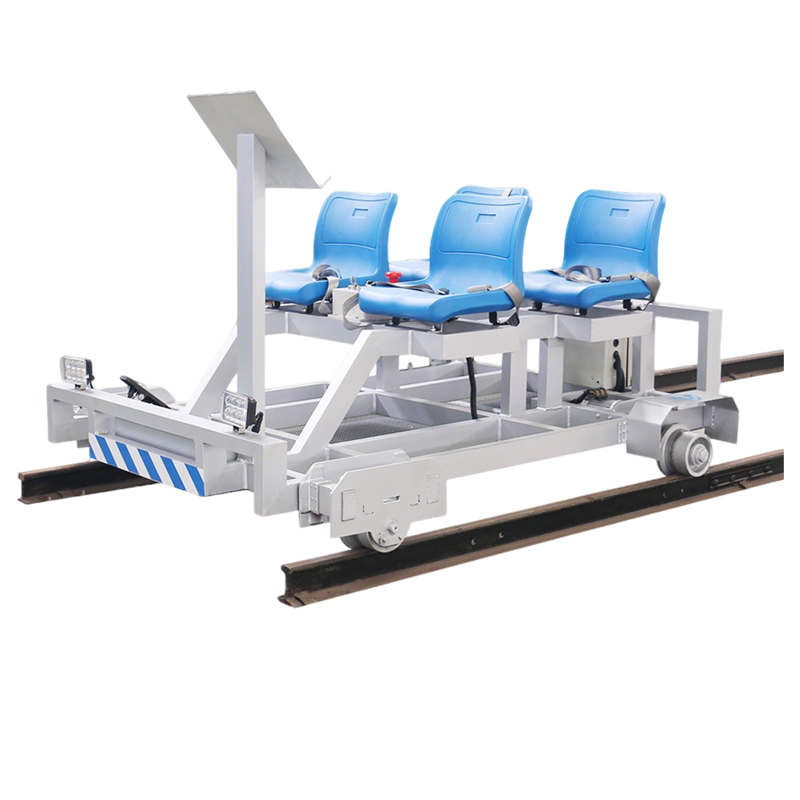
The key advantage is flexibility. A rail-guided cart can follow a fixed path with precision — useful for repetitive transport between two points. A rail-less cart, on the other hand, can navigate anywhere the floor allows. That means you can re-route transport as your layout changes, something a crane simply can't offer.
Load capacity isn't the limiting factor you might think. Industrial electric carts routinely handle 10, 30, even 100 tons. The platform size, wheel configuration, and drive system are engineered to match the specific load. For especially heavy or awkward items, custom fixtures — V-decks for coils, roller beds for pallets, hydraulic lifts for height adjustment — can be integrated directly into the cart.
Real-World Applications
Steel mills move ingots and finished coils between processing stations. A 50-ton rail cart runs the same route hundreds of times per day. The operator presses a button, the cart moves, and the load arrives exactly where it needs to be. No crane scheduling. No waiting for rigging teams.
In shipyards, hull sections and engine blocks need to travel from fabrication areas to assembly docks. These loads are massive, often irregularly shaped, and impossible to sling safely with standard lifting gear. Flatbed carts with custom platforms handle the job directly — the section is welded or bolted to the cart, transported to the dock, and transferred to the vessel.
Wind turbine manufacturers face similar challenges. Nacelle components and tower sections are long, heavy, and delicate. A crane can lift them, but moving them horizontally across a factory floor? That's where a multi-axle electric cart with synchronized steering becomes the better tool.
What to Consider When Specifying a Cart
Not every cart fits every job. Here's what actually matters:
Load and center of gravity. The rated capacity is only part of the story. Where the weight sits on the platform affects wheel loading and stability. A 20-ton load with a high center of gravity needs a wider platform and lower speed than a 20-ton block sitting flat.
Floor conditions. Rail-less carts need flat, solid floors. Even small gradients can cause problems if the load is heavy enough. Rail-guided carts are more forgiving, but the rail installation is a project in itself.
Travel distance and frequency. Short, frequent trips favor battery-powered carts with opportunity charging. Longer distances might need cable reels or even inductive power transfer. The duty cycle directly affects battery sizing and motor selection.
Control method. Simple applications work fine with pendant cable controls. More complex operations — multiple carts, shared paths, integration with production systems — benefit from wireless remote control or full PLC-based automation.
Cost Comparison: Cart vs. Crane
The upfront cost of a heavy-duty electric cart is typically a fraction of an overhead crane installation. But the real savings show up elsewhere. No structural steel. No building modifications. No certified operators. Maintenance is mostly mechanical — wheels, bearings, motors — which most plant maintenance teams can handle in-house.
Energy costs are lower too. A crane motor runs at high power for short bursts. A cart motor runs at steady, moderate power for longer periods. Over a year of operation, that difference adds up.
Of course, carts aren't a universal replacement. If you need vertical lifting, or if your transport path crosses multiple production areas with no floor space, a crane may still be the right call. But for horizontal transport of heavy loads within a defined area? The cart often wins on cost, flexibility, and simplicity.
Integration with Existing Systems
Modern electric carts aren't isolated equipment. They can integrate with production scheduling systems, warehouse management platforms, and even AGV fleets. Position sensors, RFID readers, and wireless communication modules allow the cart to report its location, receive transport orders, and coordinate with other equipment.
For example, a cart can be programmed to wait at a loading station until a conveyor signals that a pallet is ready. It transports the load to a machining center, waits while the part is unloaded, and returns automatically. No operator intervention needed.
Key Takeaways
Cranes aren't going away, but they're no longer the only option for heavy load movement. Electric transfer carts offer a practical, flexible alternative that fits a wide range of industrial applications. The key is matching the cart specifications to the actual operational requirements — load, distance, floor, and control — rather than defaulting to overhead equipment out of habit.
If your current setup relies on cranes for every heavy move, it's worth asking: how many of those moves are purely horizontal? How often does rigging time slow down production? And what would change if your transport system could adapt as fast as your factory layout does?